
An Oscar-winning French filmmaker, famous for a short movie about a red balloon, also designed a game about conquering the world. I had no idea that was how it started.
It makes those tiny plastic armies feel a lot fancier.
The surprises keep coming once you poke around old game boxes. A college student sold the rights to his buzzing surgery game for a reported $500.
Hi! This post may contain affiliate links to online stores. If you use a link and buy something, I may get a commission at no extra cost to you. See my affiliate disclosure.
A teacher sketched a sugary racing game while recovering from polio. Two Canadian journalists cooked up a trivia hit after finding pieces missing from a word game.
Kids of the 1980s grew up with a strange mix of cardboard classics and battery-powered gadgets. One game had a beeping electronic tower.
Another spat marbles from a stone idol’s mouth.
I love how much history hid inside those battered boxes. So which ones landed on your kitchen table?
1. Trivial Pursuit
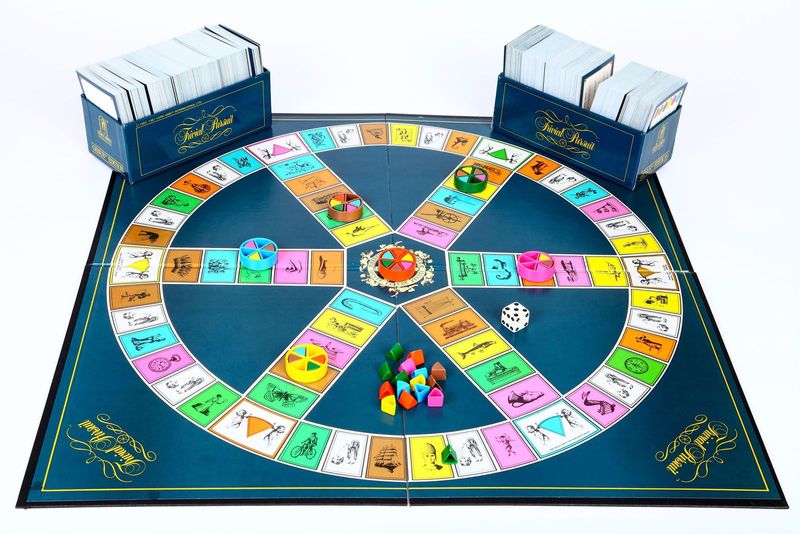
A missing set of Scrabble tiles started a trivia empire. In December 1979, Montreal journalists Chris Haney and Scott Abbott wanted a replacement game and decided to invent their own.
Their creation reached Canadian stores in 1981 and hit American shelves soon after through Selchow and Righter. By 1984, sales in the United States had climbed into the tens of millions, which is a lot of cardboard for a game born from lost letters.
You roll, move around a wheel-shaped board, and answer questions from six color-coded categories. Correct answers in the right spaces earn small plastic wedges for your round playing piece.
Fill all six slots, reach the center, and nail one final question to win.
2. Pictionary
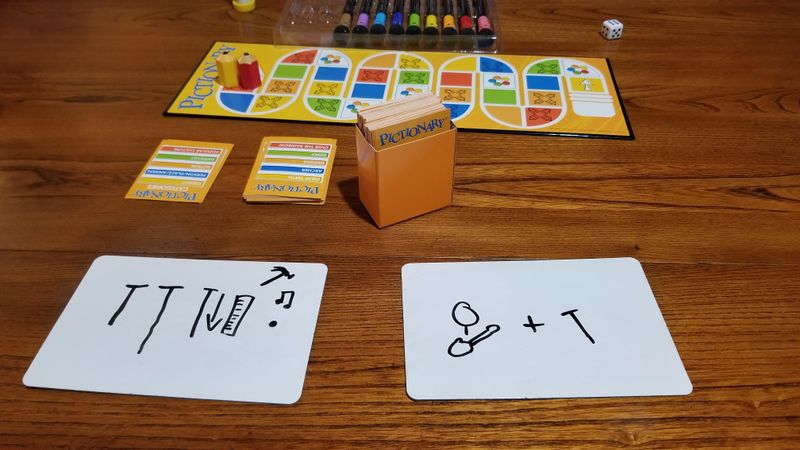
Rob Angel was working as a waiter in Seattle when he started turning a dictionary-and-doodles party trick into a real game. He launched Pictionary in 1985 with two partners, and early copies were assembled by hand.
The concept is wonderfully simple. One teammate sketches a word while the others shout guesses before the sand timer runs out, and nobody can use letters or numbers in the drawing.
Categories add a clever twist, since spaces on the board decide what type of word you draw. All Play cards let both teams race on the same word at once.
Artistic talent helps, but plenty of rounds are won by a stick figure and a lucky guess.
3. Dark Tower
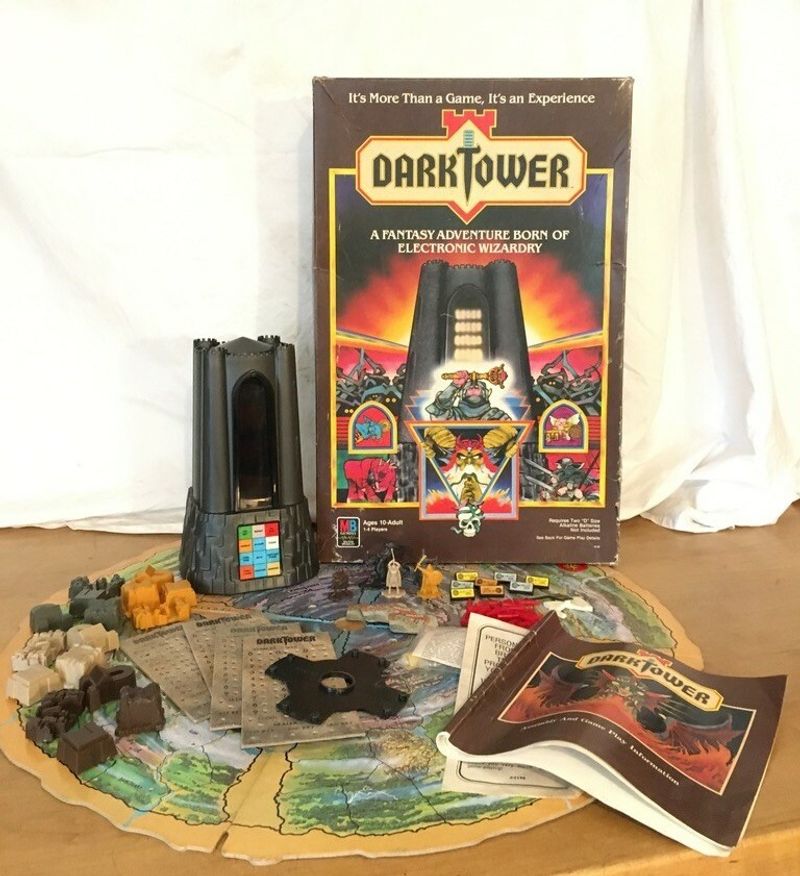
Orson Welles, the legendary filmmaker, appeared in a television commercial for a board game with a computer inside. Milton Bradley released Dark Tower in 1981, and its black electronic tower ran much of the action.
Players explored four kingdoms, collecting warriors, food, gold, and three keys needed to storm the tower. The tower handled battles, bazaar shopping, and random events with lights and sounds, which felt like magic for a home game back then.
The shelf life turned out to be short. Two inventors sued, saying the game copied an idea they had pitched, and a court ruled in their favor.
A modern spiritual successor, Return to Dark Tower, arrived from Restoration Games decades later.
4. Operation
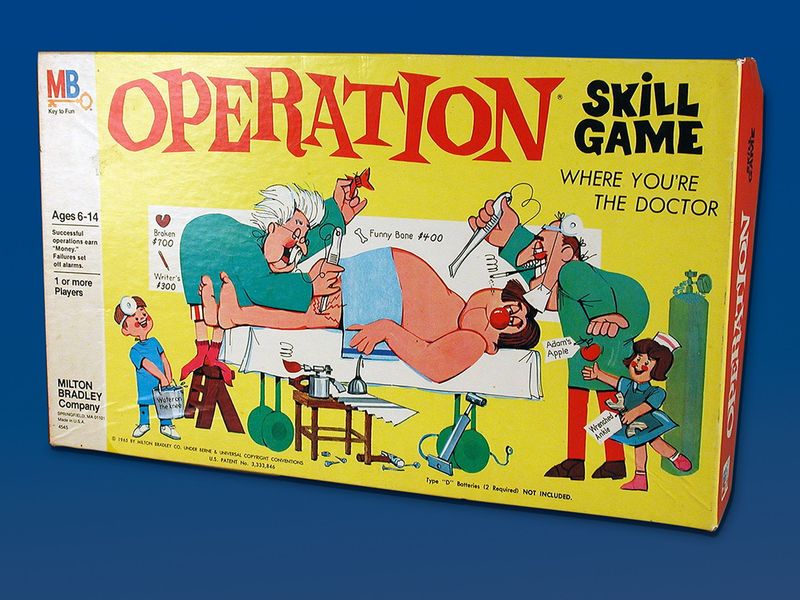
A University of Illinois industrial design student named John Spinello built the first prototype for a class project. He reportedly sold his rights for $500, and Milton Bradley released Operation in 1965.
Cavity Sam, the patient, has an assortment of silly ailments with punny names. Water on the Knee is a tiny bucket, and Butterflies in the Stomach is exactly what it sounds like.
You lift each piece out with metal tweezers that are wired to the board. Touch the metal edge of an opening and a buzzer sounds while Sam’s red nose lights up.
Steady hands earn the fee shown on your doctor card, so nervous surgeons go home poor.
5. Hungry Hungry Hippos
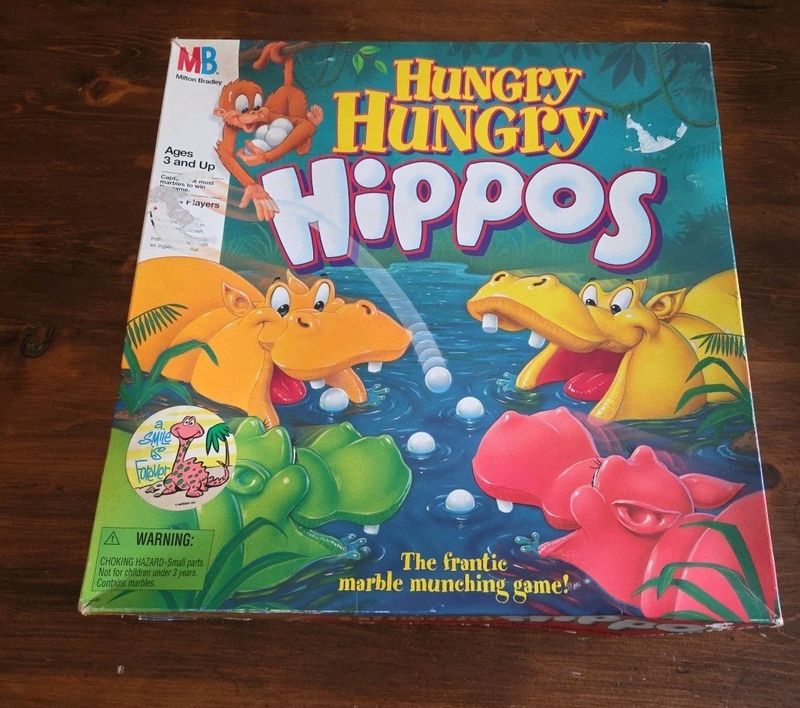
Four plastic hippos with real names gobble marbles in this 1978 Milton Bradley hit invented by Fred Kroll. Lizzie, Henry, Homer, and Harry were the original crew, each painted a different color.
Nobody takes turns here, which is a big part of the charm. You smash a lever at the back of your hippo to make its neck stretch out and chomp, while everyone else does the same.
Once the marbles are gone, players count how many their hippo swallowed. Strategy is limited, so speed and rhythm matter most.
That fast, simple setup explains why a preschooler can compete against a grown-up and actually have a decent shot at winning.
6. Guess Who?
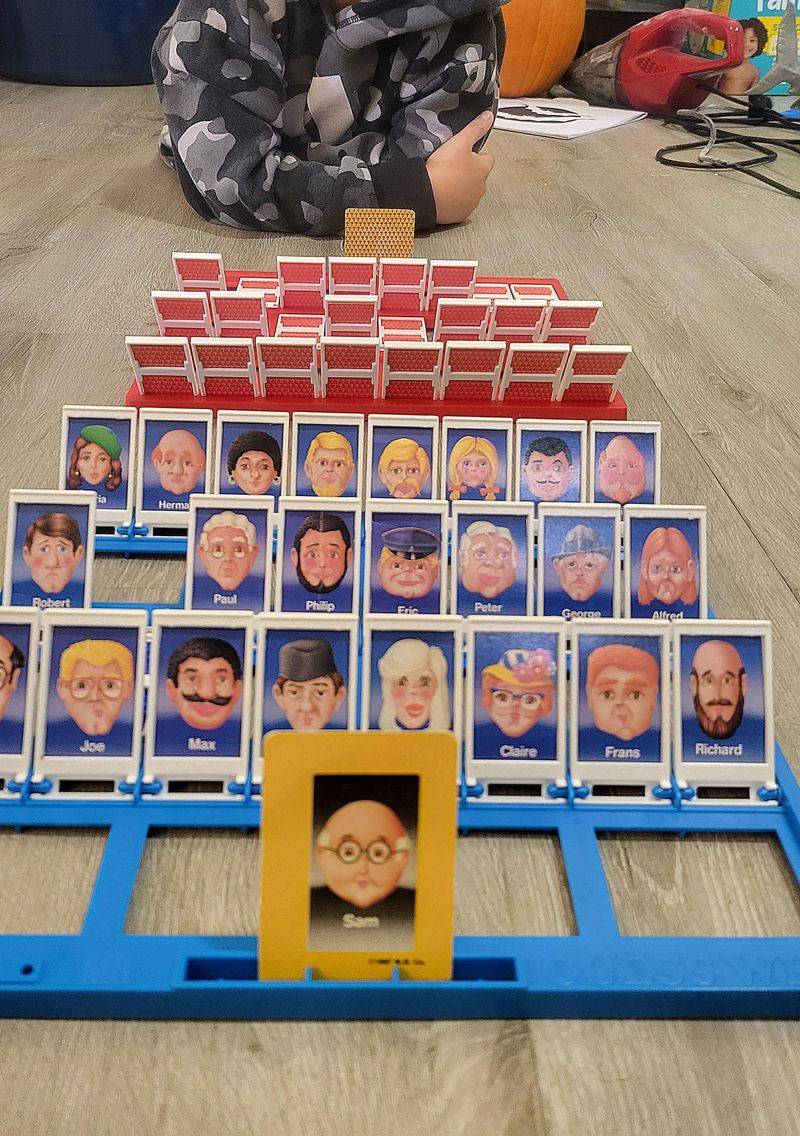
Designers Theo and Ora Coster, a husband-and-wife team, created this face-flipping detective game. Milton Bradley released it in 1979, and it quickly became a staple of the following decade.
Each player secretly picks one of 24 cartoon characters. You take turns asking yes-or-no questions about features like hats, beards, or glasses, then flip down the faces that no longer fit.
Smart questions do more than lucky ones. Asking about a trait shared by about half the remaining faces cuts your options fastest, which is basic logic dressed up in mustaches.
It’s a sneaky little lesson in deduction that never feels like homework, which might be the cleverest trick in the box.
7. Candy Land
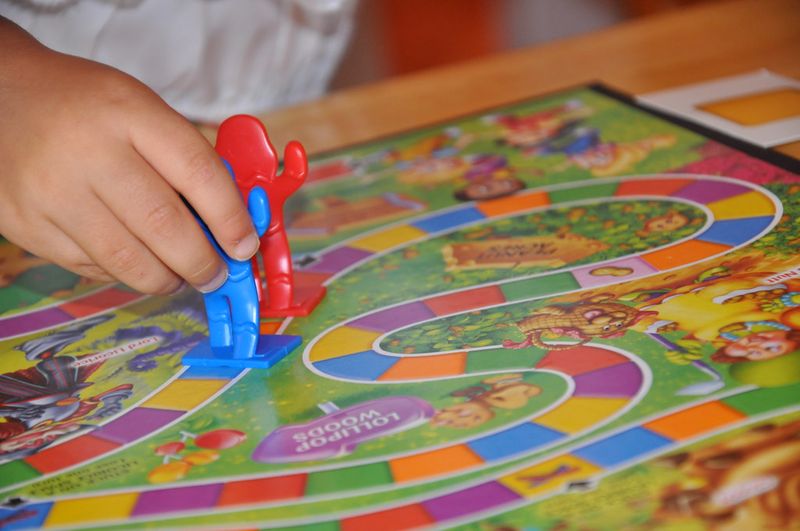
Eleanor Abbott designed this candy-coated race while recovering from polio in San Diego. Milton Bradley published Candy Land in 1949, and its no-reading-required rules made it a first game for countless little kids.
Players draw cards showing one or two color squares, then move their gingerbread pawns to match. Picture cards can zoom you forward or yank you back, so the lead changes constantly.
The 1984 edition gave 80s kids a special treat. It introduced named characters like Plumpy, Mr. Mint, Gramma Nutt, Queen Frostine, and Lord Licorice.
Since no choices exist, the game is pure luck, which honestly makes it a fair fight between a four-year-old and a grandparent.
8. Chutes and Ladders
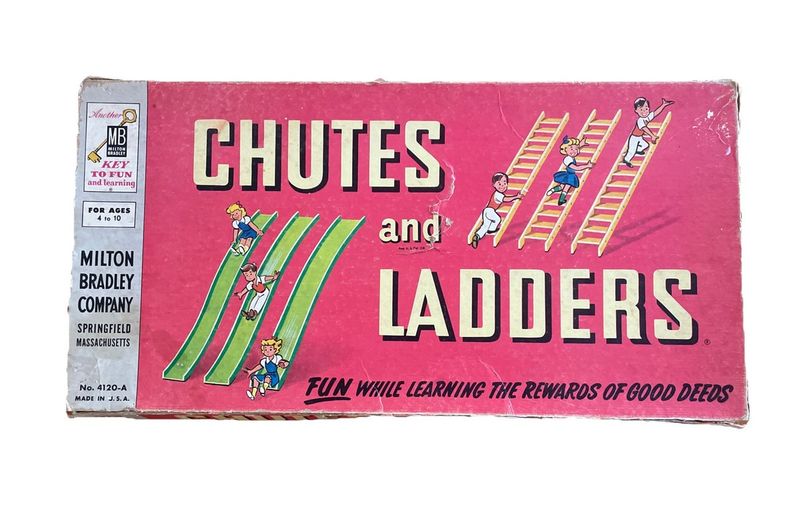
Long before Milton Bradley printed it in 1943, a version of this game existed in ancient India. The original snakes-and-ladders game taught moral lessons, with virtues lifting players up and vices sending them sliding down.
The American edition swapped snakes for playground chutes and kept the lessons. Squares show kids doing good deeds, like helping out, before climbing a ladder to a reward.
Other pictures show mischief followed by a slide back down the board. You spin, move, and hope for the best, since no decisions are involved.
It’s a gentle way for small kids to practice counting to 100, and the race to the final square can swing wildly right up to the end.
9. Connect Four
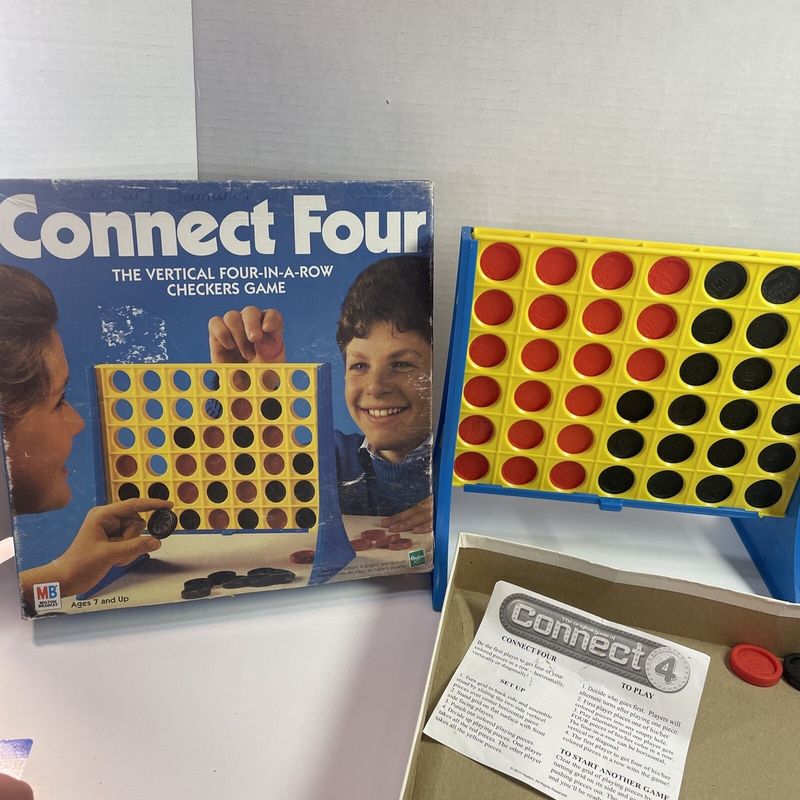
Mathematicians actually solved this game in 1988. James Dow Allen and Victor Allis independently proved the first player can always win with perfect play by starting in the middle column.
Milton Bradley introduced Connect Four in 1974, crediting Howard Wexler and Ned Strongin as designers. Players drop checkers into a vertical grid with seven columns and six rows, hoping to line up four in a row.
Gravity makes the strategy interesting, because you can’t place a checker anywhere you like. You often block one threat only to set up a new one for your opponent.
When the round ends, a slider at the bottom releases the checkers in a satisfying cascade for the next match.
10. Battleship
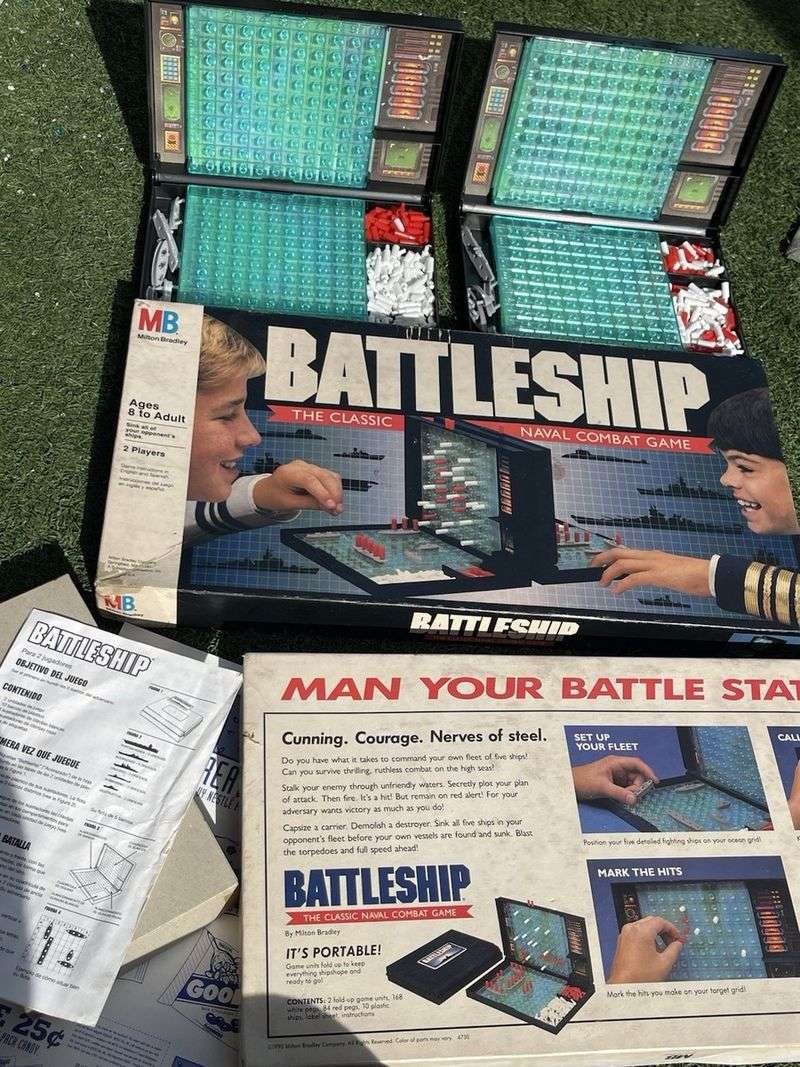
Kids were sinking each other’s fleets with pencil and graph paper decades before plastic boards existed. Milton Bradley turned the idea into its familiar folding plastic game in 1967.
Each player hides five ships on a grid, then calls out coordinates like B-7. Red pegs mark hits, white pegs mark misses, and the folding lid keeps your fleet secret.
Electronic Battleship arrived in 1977 with sound effects, and a talking version followed in 1989. Smart players don’t fire randomly, since ships occupy at least two squares.
Shooting in a checkerboard pattern can find hidden vessels with fewer guesses, then you circle around each hit to finish the job.
11. Sorry!
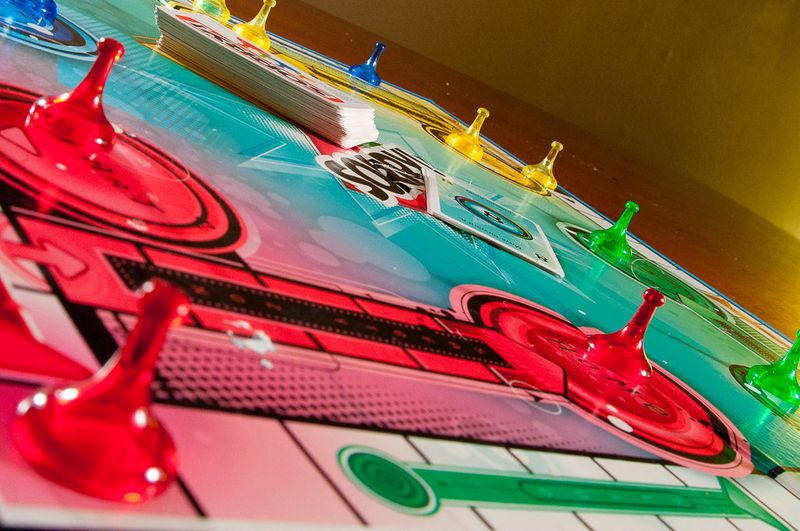
Look closely at a classic deck and you’ll notice something odd. The numbers skip 6 and 9, while a 4 card moves you backward.
William Henry Storey patented the game in England in 1929, and Parker Brothers brought it to America in 1934. It borrows ideas from the old Indian game Pachisi but replaces dice with cards.
You need a 1 or 2 just to leave your start circle, which can feel like waiting forever. A Sorry card lets you swap with an opponent’s pawn and send it home.
Moving backward with a 4 can be smart, since it can put you closer to your safety zone.
12. Trouble
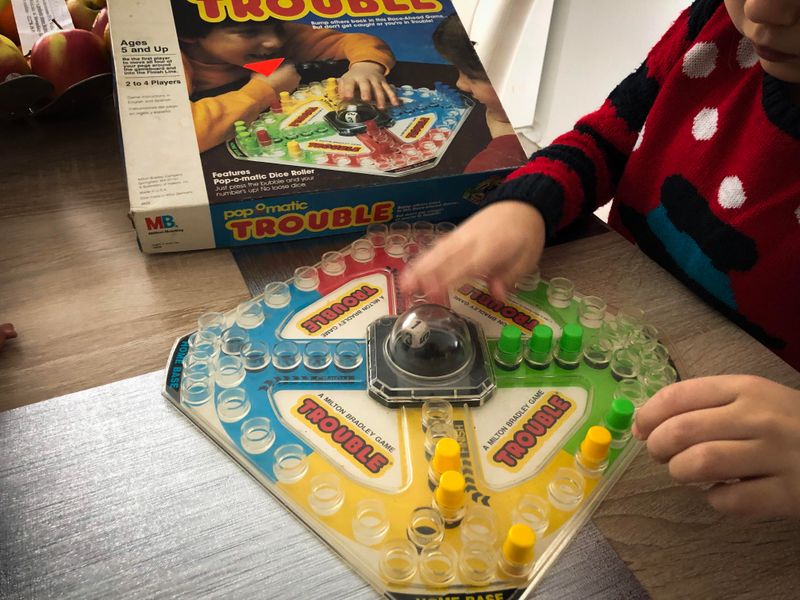
Lost dice were never a problem here, thanks to a clear plastic dome. Kohner Bros. released Trouble in 1965, and its Pop-O-Matic bubble pops the number cube when you press down.
Players race four colored pegs around a track and into their home spaces. Landing on an opponent sends that peg back to start, which is exactly the trouble the name promises.
A roll of six gets you out of start and earns a bonus turn. The same Pop-O-Matic idea appears in the British game Frustration.
With very little strategy, the fun comes from timing and the satisfying pop, which might explain why kids pressed that dome far more than necessary.
13. Mouse Trap
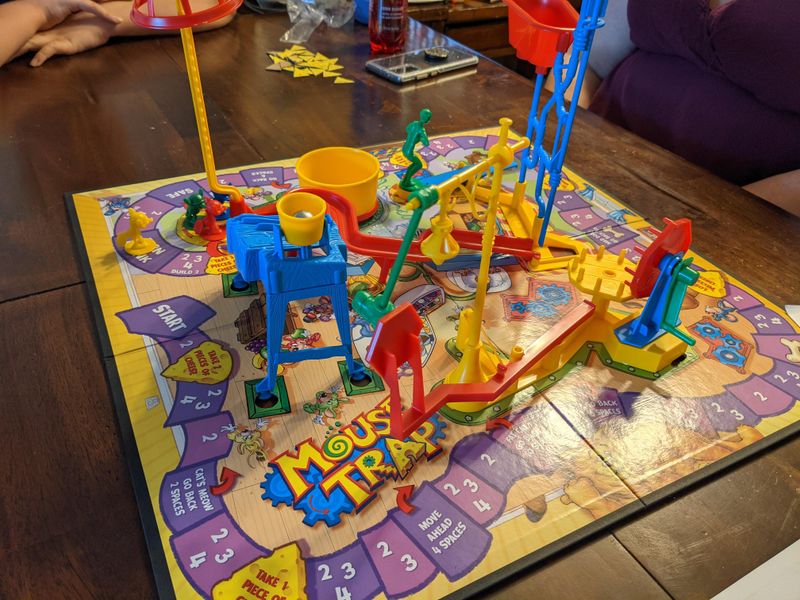
A crank turns gears, a boot kicks a bucket, and a ball rolls down a staircase. Eventually a diver flips into a tub and a cage drops on a mouse.
Ideal Toy Company released Mouse Trap in 1963, developed through the Marvin Glass and Associates design firm. The machine resembles the wild chain-reaction cartoons of Rube Goldberg.
Players build the trap piece by piece as they move around the board. Once complete, landing on the right space lets you trigger it on an opponent’s mouse.
Getting the parts aligned can take patience, so a successful run feels like a tiny engineering victory, even if one stubborn piece needs a gentle nudge.
14. Clue
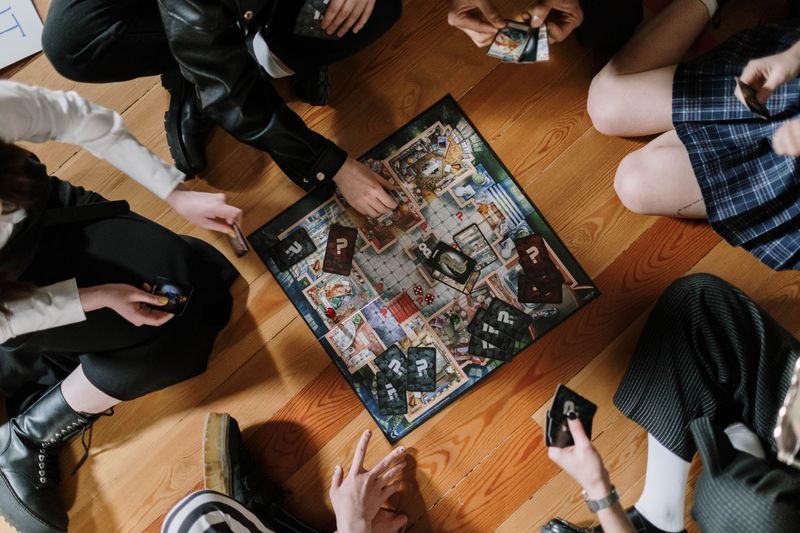
An English musician named Anthony E. Pratt dreamed up this mansion mystery during World War II.
Waddingtons released it as Cluedo in Britain in 1949, while Parker Brothers sold it as Clue in America.
Players move through rooms making suggestions about who did it, where, and with which item. Opponents secretly show cards that rule options out, so careful note-taking matters.
The 1985 movie version added a fun twist. Theaters showed one of three different endings, and the home video later included all three.
In the board game, the answer always waits in a small envelope, so the person with the tidiest notes usually solves the case first.
15. Monopoly
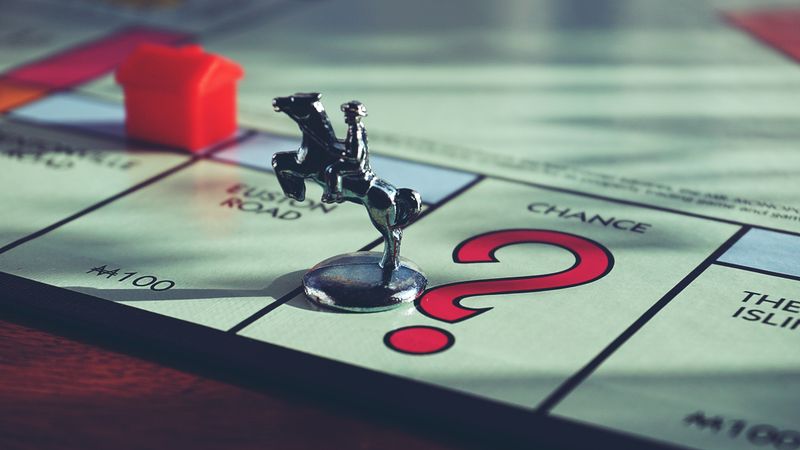
The property-trading favorite has roots in a game meant to criticize landlords. Lizzie Magie patented The Landlord’s Game in 1904 to show how land monopolies could hurt tenants.
Parker Brothers began selling Monopoly in 1935 after buying the version presented by Charles Darrow. The street names come from Atlantic City, New Jersey, including Boardwalk and Marvin Gardens, which is a misspelling of Marven Gardens.
You buy properties, collect full color sets, and build houses and hotels to raise rent. Many families put money on Free Parking, but that isn’t in the official rules.
Skipping auctions, which the rules do include, is one big reason games drag on for hours.
16. The Game of Life
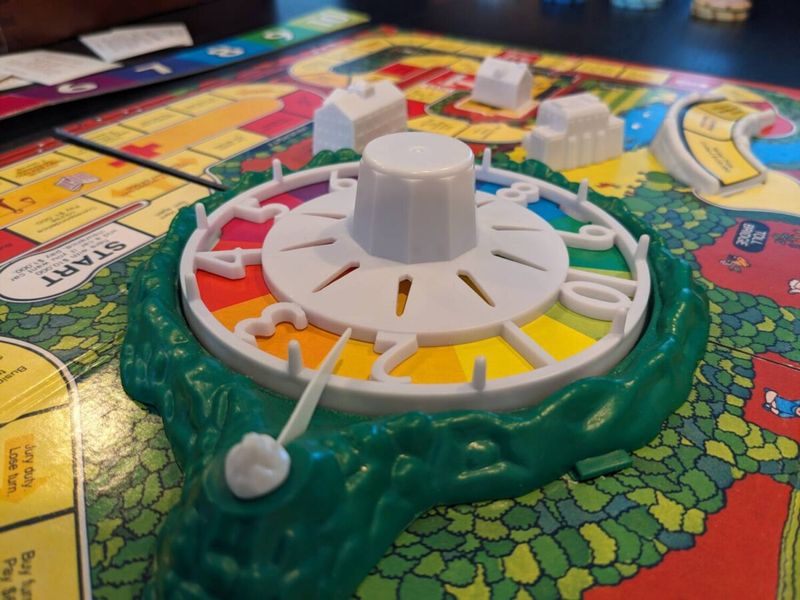
Milton Bradley built his entire company on this idea. His Checkered Game of Life from 1860 was his first big success, rewarding virtues and punishing bad habits.
The modern version arrived in 1960 for the company’s 100th anniversary, designed by Reuben Klamer. TV host Art Linkletter appeared on the money, and the board featured three-dimensional hills and buildings.
You spin a wheel, drive a little plastic car, and add peg people as your family grows. Choices like college or straight to work shape your income.
Winning still comes down to money at retirement, which makes a pretty bold statement for a game played mostly by kids.
17. Scrabble
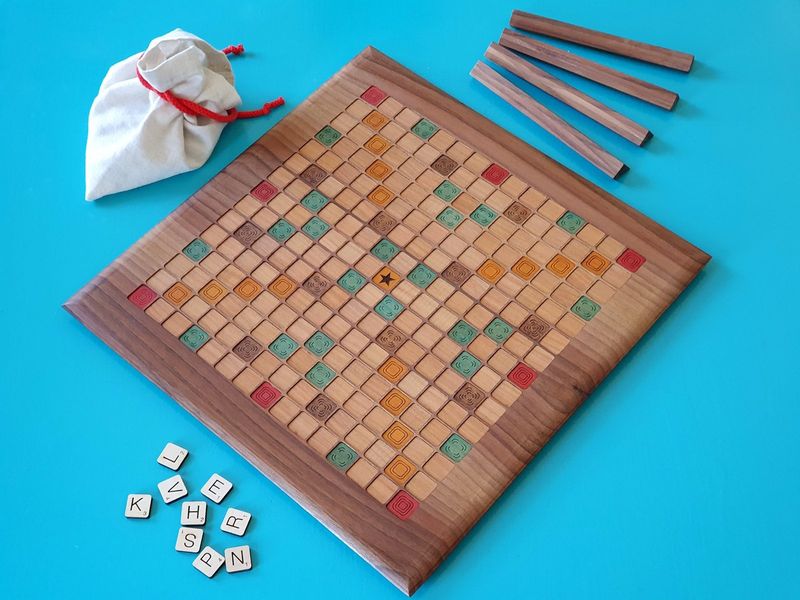
Alfred Mosher Butts, an architect out of work during the Great Depression, studied newspaper front pages to count how often letters appeared. That research decided the tile distribution and point values.
He first called the game Lexiko, then Criss-Crosswords. Entrepreneur James Brunot renamed it Scrabble in 1948, and production later shifted to Selchow and Righter as demand grew.
You draw seven tiles and build words across a grid of bonus squares. Triple word scores can turn a short word into a big play.
Using all seven tiles in one turn earns a 50-point bonus, and the Q, worth 10 points, rewards anyone who knows Q words without a U.
18. Risk
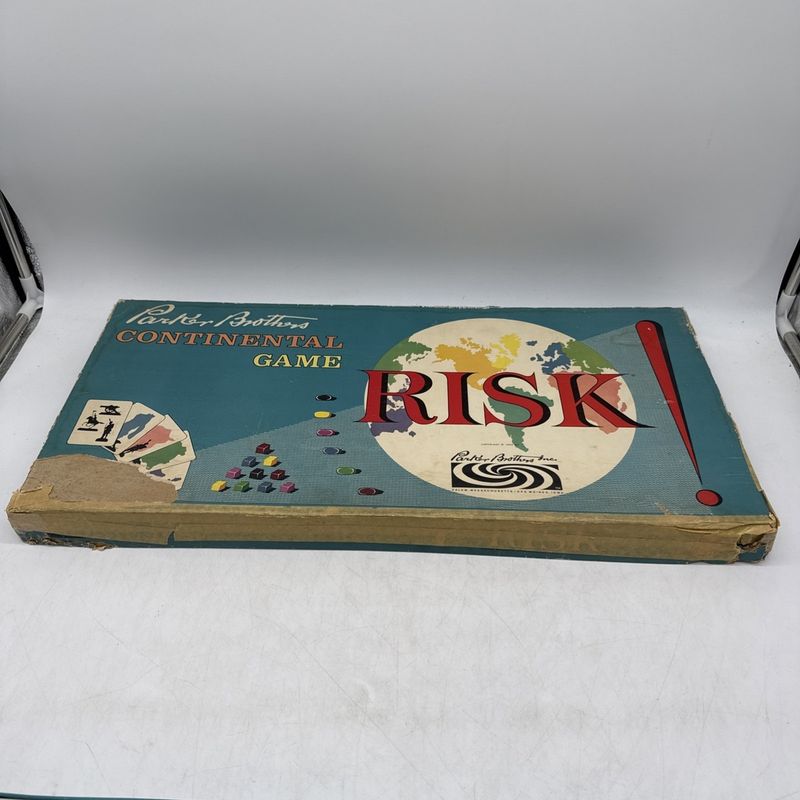
Albert Lamorisse won an Academy Award for writing The Red Balloon, a short film about a boy and a balloon. He also invented a world-conquest game called La Conquete du Monde, released in France in 1957.
Parker Brothers brought it to the United States in 1959 under the name Risk. The map divides the world into 42 territories across six continents.
You place armies, attack neighbors, and roll dice to settle battles. Holding an entire continent earns bonus troops each turn, which makes Australia a popular starting target.
Trading in sets of cards gives growing reinforcements, so late rounds can swing fast and dramatically.
19. Perfection
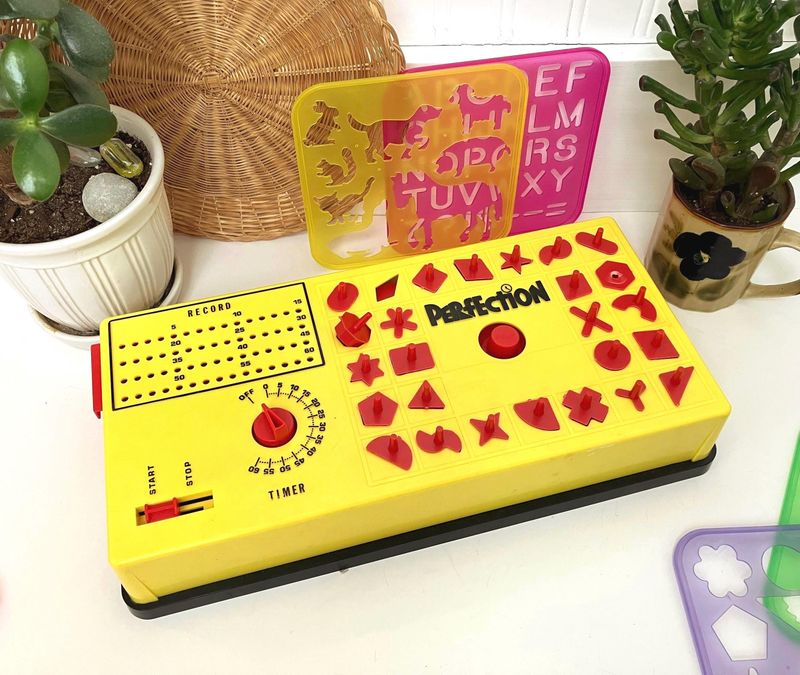
Few toys combine puzzles and jump scares quite like this one. Lakeside introduced Perfection in the 1970s, and later editions came from Milton Bradley and Hasbro.
You race to fit small plastic shapes into matching holes on a spring-loaded tray. Stars, circles, and triangles need to go in before the timer runs out.
If time expires, the whole tray pops up and launches pieces into the air. The original 1973 board used 26 shapes and a 60-second timer.
Players can compete for the fastest time, but many simply enjoy the suspense of the ticking, since the sudden pop catches people off guard even when they know it’s coming.
20. Pac-Man
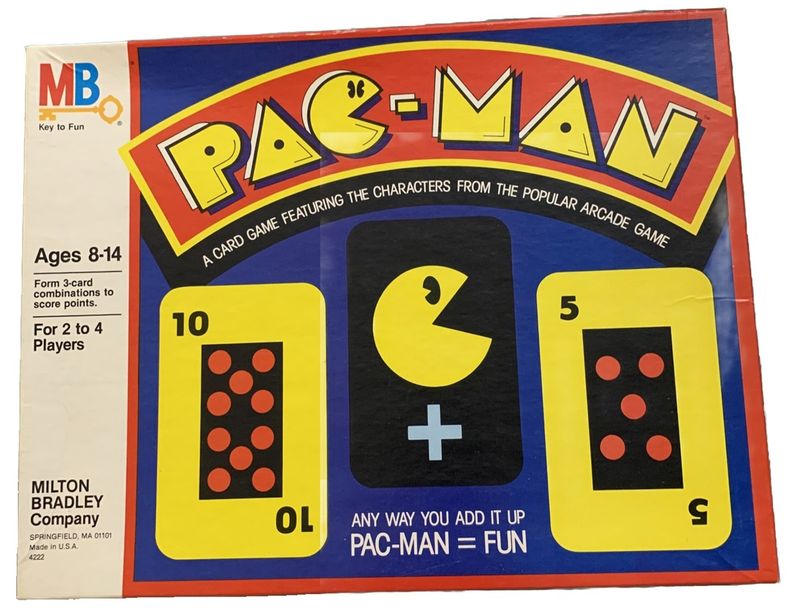
Arcade fever was so strong in the early 80s that Pac-Man jumped onto cardboard. Milton Bradley released the board game in 1982 while the arcade version was a huge sensation.
The maze board is filled with small white marbles standing in for dots. Players move yellow Pac-Man pieces that scoop up marbles as they travel.
Ghost pieces are moved by players too, letting you chase your rivals. Grabbing a special marble temporarily turns the tables, so Pac-Man can capture ghosts for points.
It’s an interesting peek at how toy makers tried to bottle video game excitement before home consoles were in most living rooms.
21. Fireball Island
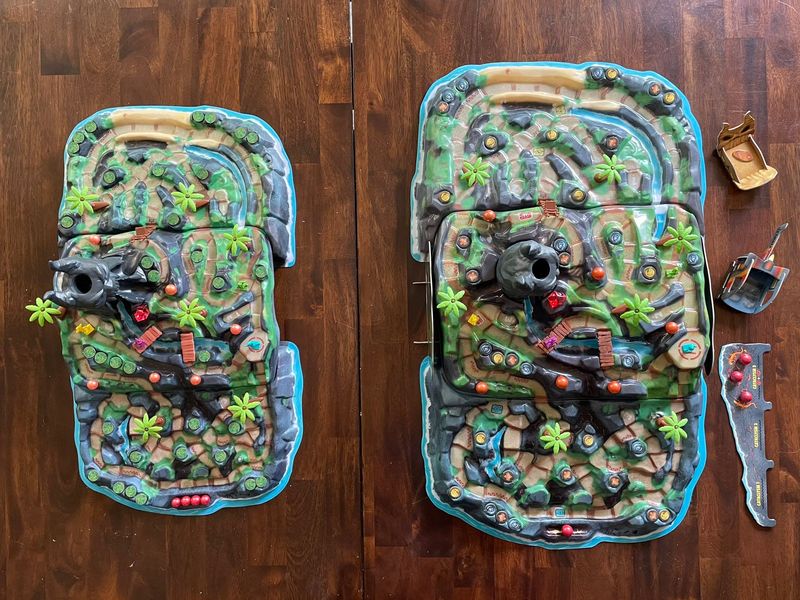
A giant stone idol named Vul-Kar sits atop a plastic mountain, ready to roll red marbles at adventurers. Milton Bradley released Fireball Island in 1986.
Players climb winding paths to grab a jewel from Vul-Kar, then rush back down to a boat. Cards and spaces let you drop fireballs that roll down channels and knock explorers over.
The three-dimensional board included bridges, caves, and a tree that could block paths. Toppled pawns get sent to lower spots, so luck plays a big role.
Restoration Games released a modern edition in 2018 after a successful crowdfunding campaign, showing how many fans still wanted that marble-launching volcano.
22. Mall Madness
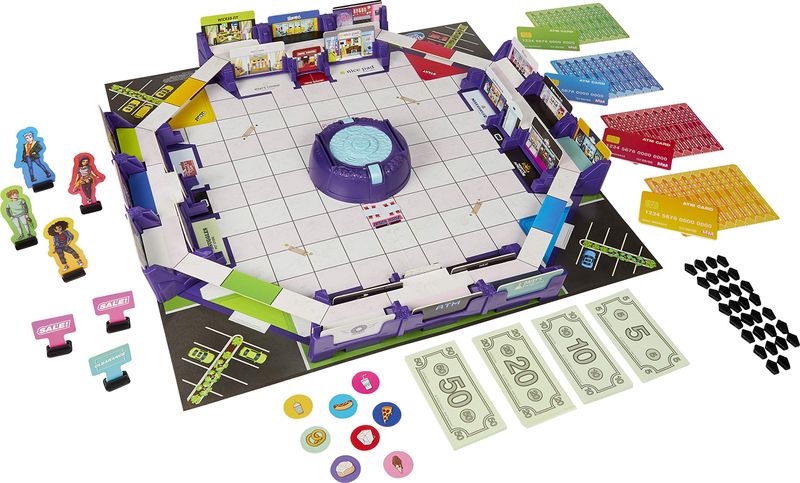
A talking computer announcing sales was the star of Electronic Mall Madness, released by Milton Bradley in 1989. The electronic voice called out clearances and special deals while players raced through a two-level plastic mall.
You start with a shopping list and money from the bank. The goal is to buy your items and return to the parking lot before anyone else.
Plastic credit cards could be inserted into the electronic unit for cash. Announcements send everyone scrambling toward discounted stores, which adds chaos and strategy.
It’s a fun snapshot of late-80s mall culture, complete with food courts, arcades, and the idea that shopping could be a competitive sport.
23. Girl Talk
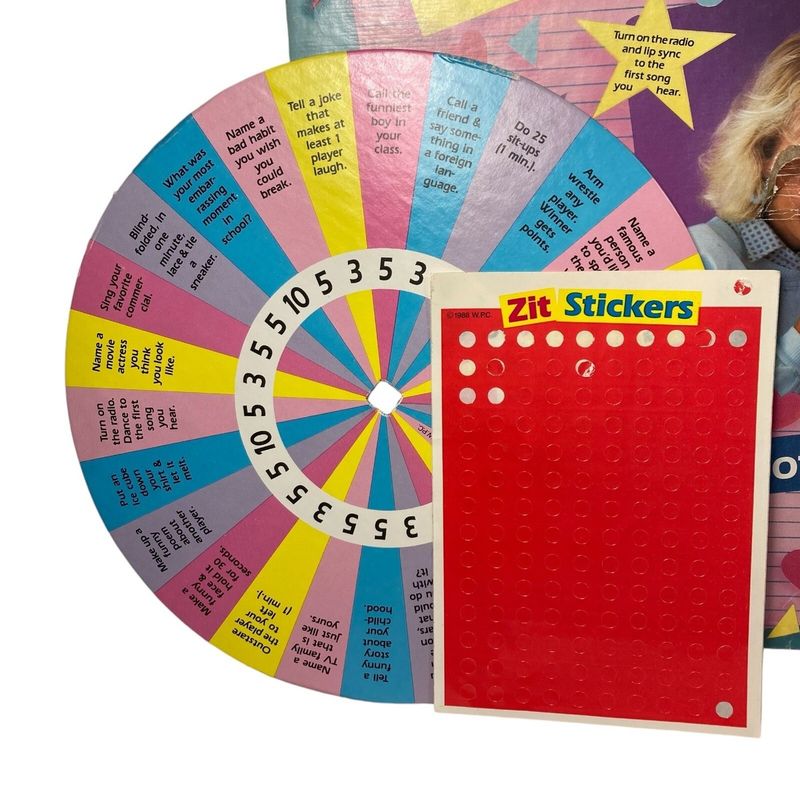
Zit stickers were the penalty, and somehow that made the game legendary. Western Publishing released Girl Talk in 1988 as a truth-or-dare style game for preteens.
Players spin and draw cards asking questions about crushes, friends, and embarrassing moments. Refuse to answer and you might have to wear a bright red sticker on your face.
The game also included fortune cards that let players dream about future dates or careers. Its focus on conversation made it a sleepover favorite rather than a strategy challenge.
Today the original version offers a fun window into late-80s pop culture, slang, and fashion trends.
24. HeroQuest
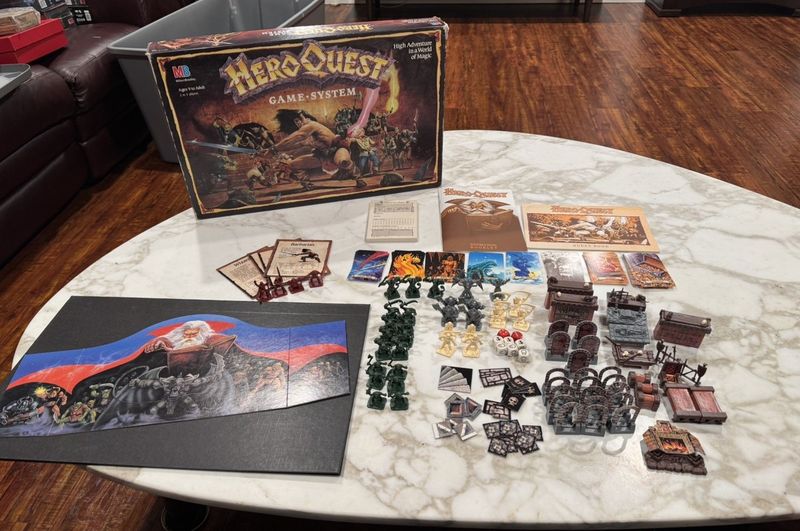
Milton Bradley teamed up with Games Workshop to bring fantasy dungeon adventures to toy stores. HeroQuest launched in Europe in 1989 and arrived in the United States the following year.
Designer Stephen Baker created a game where one player controls monsters while others play heroes. The Barbarian, Dwarf, Elf, and Wizard explore rooms, battle enemies, and hunt for treasure.
The evil sorcerer was named Morcar in Europe and Zargon in America. Detailed plastic miniatures and furniture made the board feel like a tiny movie set.
Hasbro brought the game back in 2020 through a crowdfunding campaign, giving a new generation of kids access to those classic quests.
25. Crossfire
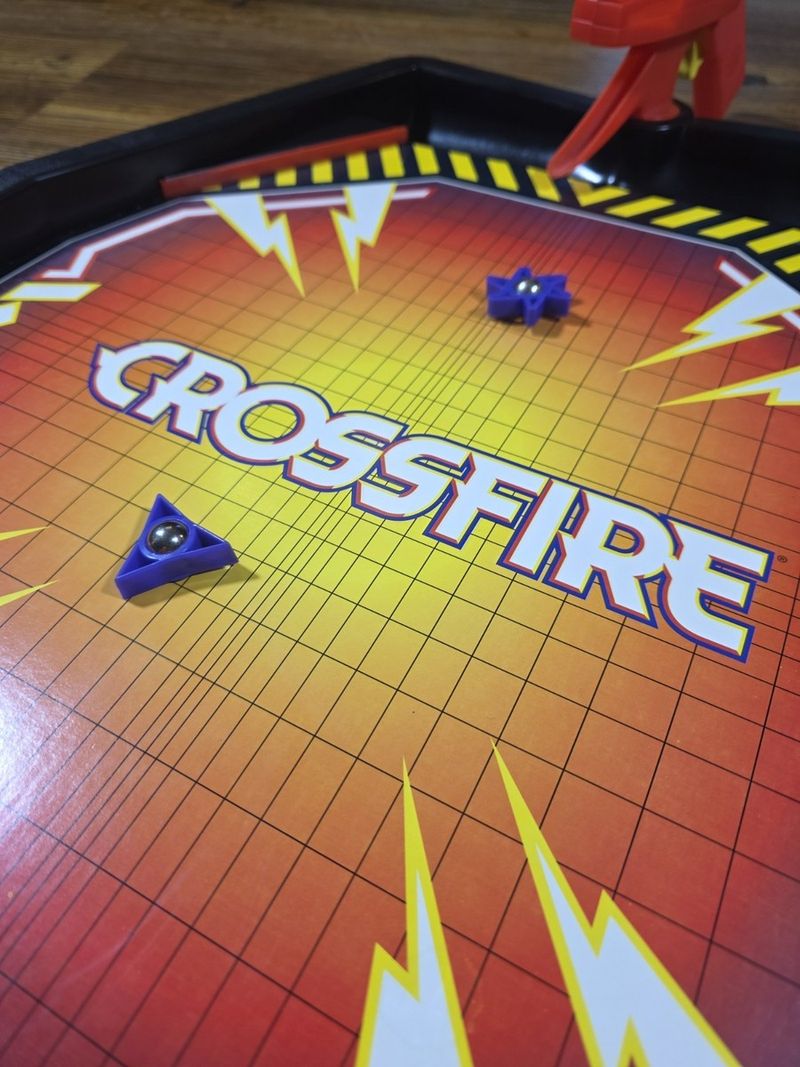
A catchy TV jingle helped turn this shooting game into a late-80s favorite. Ideal first released Crossfire in 1971, and Milton Bradley later revived it.
Two players face off with plastic guns that fire small metal balls. The goal is to push a puck into your opponent’s goal by hitting it with your shots.
Fast reflexes matter more than careful strategy. Players crank and fire rapidly, trying to block attacks while sending the puck across the arena.
The game’s loud action and quick rounds made it feel closer to an arcade machine than a traditional board game, which explains its lasting reputation.


Leave a comment