
In 2006, a collector bought a gray Nintendo cartridge at a garage sale. It turned out to be the only known copy of a game made for a college tournament.
I love that a folding table in someone’s driveway held a piece of gaming history.
That story isn’t a one-off, either. Factory-sealed cartridges from the 1980s and 1990s have sold at auction for six and even seven figures.
Hi! This post may contain affiliate links to online stores. If you use a link and buy something, I may get a commission at no extra cost to you. See my affiliate disclosure.
Some games got pricey because barely anyone bought them when they were new. Others were never sold in stores at all.
The tricky part is that value depends on tiny details. A screw count, a sticker, or a plastic seal can change a price dramatically.
Condition matters and loose cartridges usually bring far less than boxed ones.
So before you donate that shoebox of old games, it might be smart to look closer. Which of these could be hiding at your place?
1. Nintendo World Championships 1990 (Gray Cartridge)
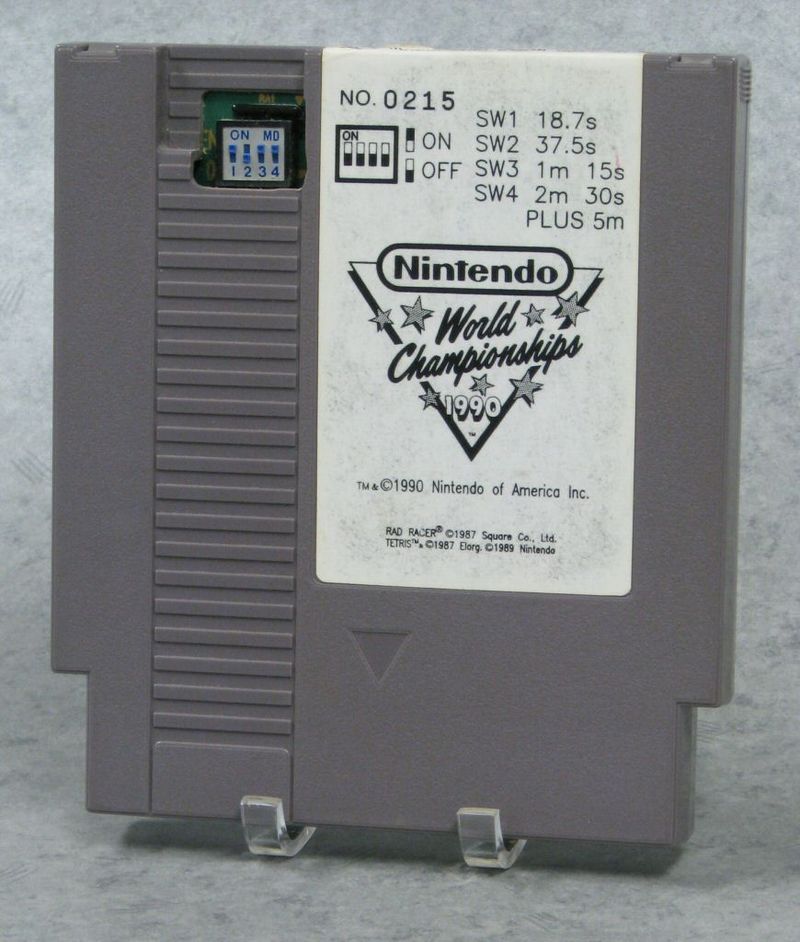
Back in 1990, Nintendo toured the country with a gaming contest, and the city finalists went home with a very unusual prize. About 90 of them received a gray cartridge that bundled Super Mario Bros., Rad Racer, and Tetris into one timed challenge.
You can spot it by the DIP switches on the front, which officials used to adjust the time limit. Each gray cartridge also carries its own number, which helps collectors track individual copies.
Fakes and reproductions exist, so professional authentication matters a lot here. A plain gray cart with a homemade label is far more likely a copy than a prize.
Genuine copies have changed hands for five figures and more. A competition you couldn’t buy into now produces a cartridge few people can afford.
2. Nintendo World Championships 1990 (Gold Cartridge)
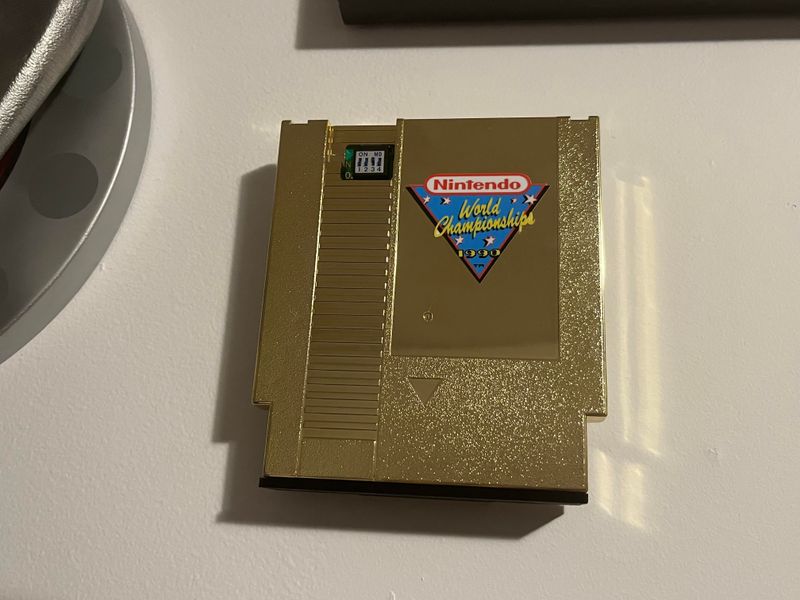
Winning a magazine contest usually gets you a T-shirt, but 26 lucky Nintendo Power readers got something far shinier. Nintendo gave away gold versions of its World Championships cartridge as contest prizes in 1990.
Inside, you’ll find the same Super Mario Bros., Rad Racer, and Tetris challenge as the gray version. Unlike the gray carts, though, the gold ones aren’t individually numbered.
That missing number makes ownership history harder to trace, so documentation is valuable. Gold paint can also be faked on a gray shell, which is why expert grading is common for these.
In 2014, one gold copy sold on eBay for $100,088. That’s a pretty good return on mailing in a contest entry.
3. Nintendo Campus Challenge 1991
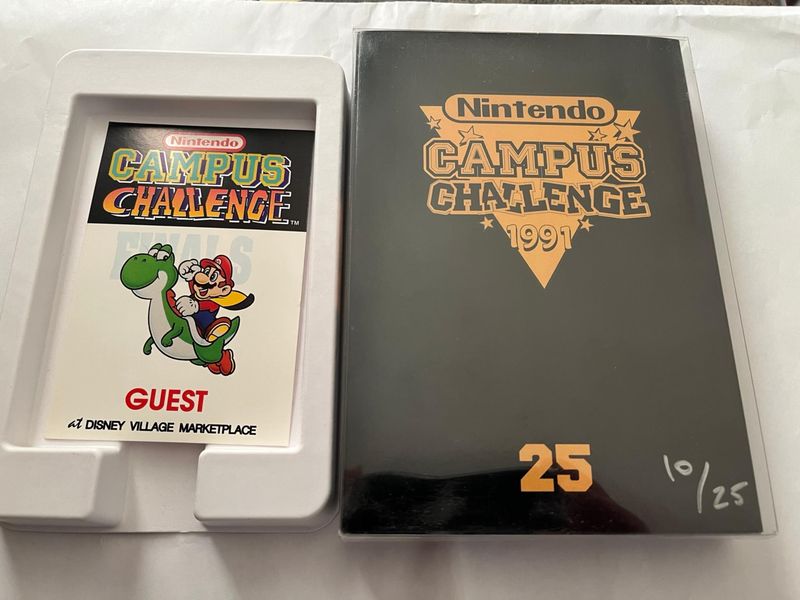
Only one known copy of this college competition cartridge exists, and it reportedly surfaced at a garage sale in 2006. Talk about the ultimate yard sale bargain.
Nintendo built it for a 1991 tour of college campuses. Players raced through shortened versions of Super Mario Bros. 3, Pin-Bot, and Dr. Mario to rack up a combined score.
Since just one copy is documented, you’re very unlikely to have this in a closet. Still, the story shows why odd unlabeled carts from tournaments deserve an expert’s eye before they go in a donation bin.
A single surviving example makes it one of the true unicorns of NES collecting. Its fame comes from history, not from sitting on store shelves, because it never did.
4. Stadium Events by Bandai (NES)
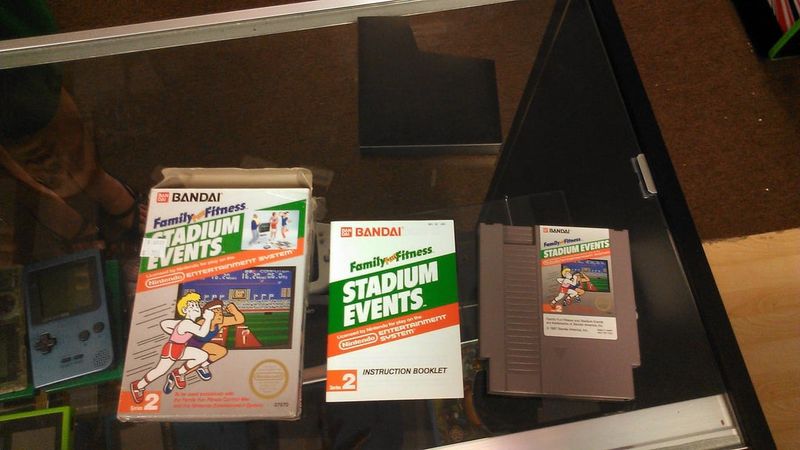
Long before motion controls were cool, you could jog in place on a floor mat to race on your NES. Bandai released Stadium Events in North America in 1987 to work with its Family Fun Fitness mat.
Nintendo then bought the mat, renamed it the Power Pad, and reissued the game as World Class Track Meet. Look for the Bandai name and Stadium Events title on the cartridge and box.
Because the original was pulled so quickly, very few North American copies remain in collectors’ hands, although the exact number is unknown. Be careful with European versions, which look similar but are far more common.
A factory-sealed copy sold for $35,100 on eBay in 2015. Not bad for a game that asked you to sweat.
5. Mega Man (1987 Five-Screw Cartridge)
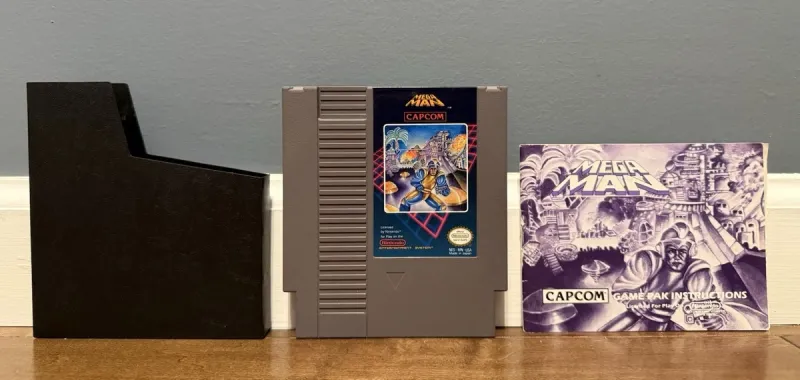
Grab a screwdriver mindset, because counting screws could change your weekend plans. Capcom’s original Mega Man hit the NES in December 1987, and early cartridges used five screws on the back.
Later production runs switched to three screws, which are much easier to find. Flip your cartridge over and count before you assume it’s an ordinary copy.
Some boxed early copies have quirks like a corrected Dr. Wily image on the back label. Don’t swap shells or labels, since collectors want the original factory parts together.
Five-screw copies sell for far more than standard ones, especially when complete. That famous box art, with its strange-looking hero, is part of the charm.
6. Little Samson (Taito NES)
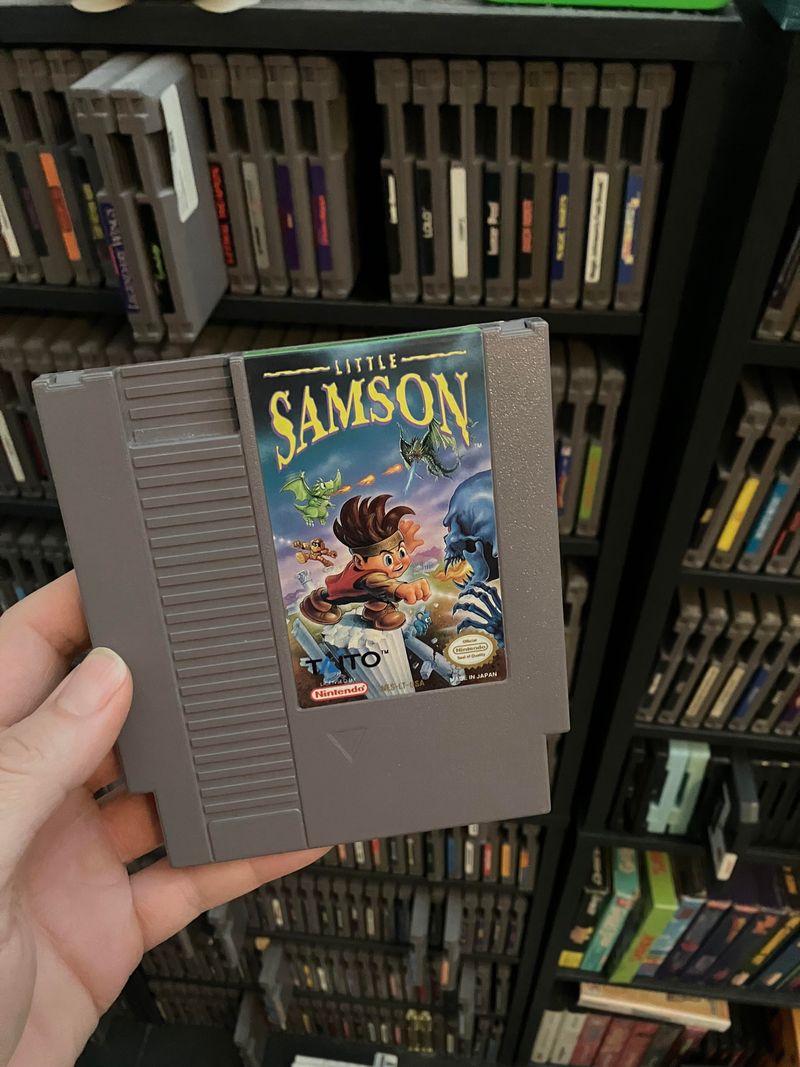
Four heroes in one game sounds like a bargain, yet hardly anyone bought it in 1992. Taito released Little Samson for the NES, letting you swap between a boy, a dragon, a golem, and a mouse.
Each character has its own strengths, like the mouse sneaking into tight spots. Critics liked it, but weak marketing and a late release kept sales low.
Look for the Taito logo and the young hero on the label. Reproduction carts are common, so check the circuit board and plastic quality if the price seems too good.
Today it’s one of the priciest licensed NES games in loose form. A flop at the checkout counter became a star at the auction table.
7. Bubble Bobble Part 2 (NES)
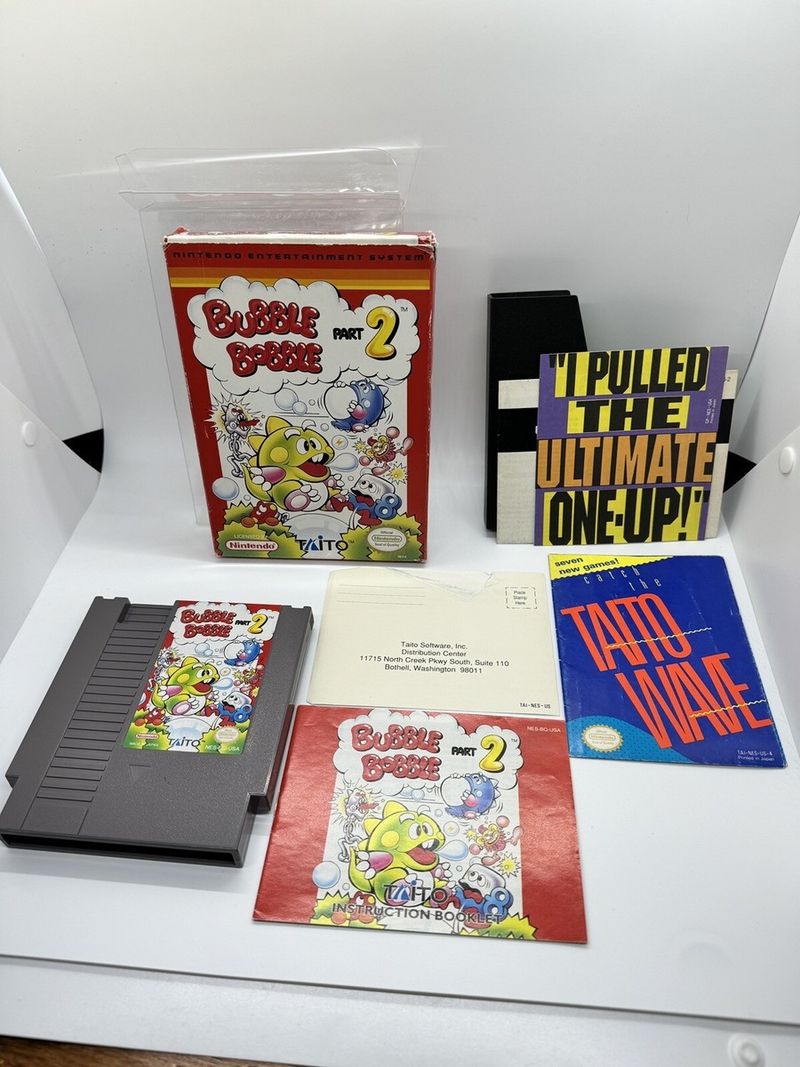
Bub and Bob passed the bubble wand to their kids, Cubby and Rubby, in this 1993 sequel. Taito published it in North America near the end of the NES era.
You trap enemies in bubbles across dozens of levels, but this time a health bar gives you some breathing room. The cartridge label shows the cartoon dragon kids, so it’s easy to identify.
Late NES games often had small print runs because buyers had moved on to the Super Nintendo. That timing is a big reason boxed copies cost so much today.
Complete boxed copies sell for over a thousand dollars. Bubbles rarely hold their value, but this one did.
8. The Flintstones: The Surprise at Dinosaur Peak
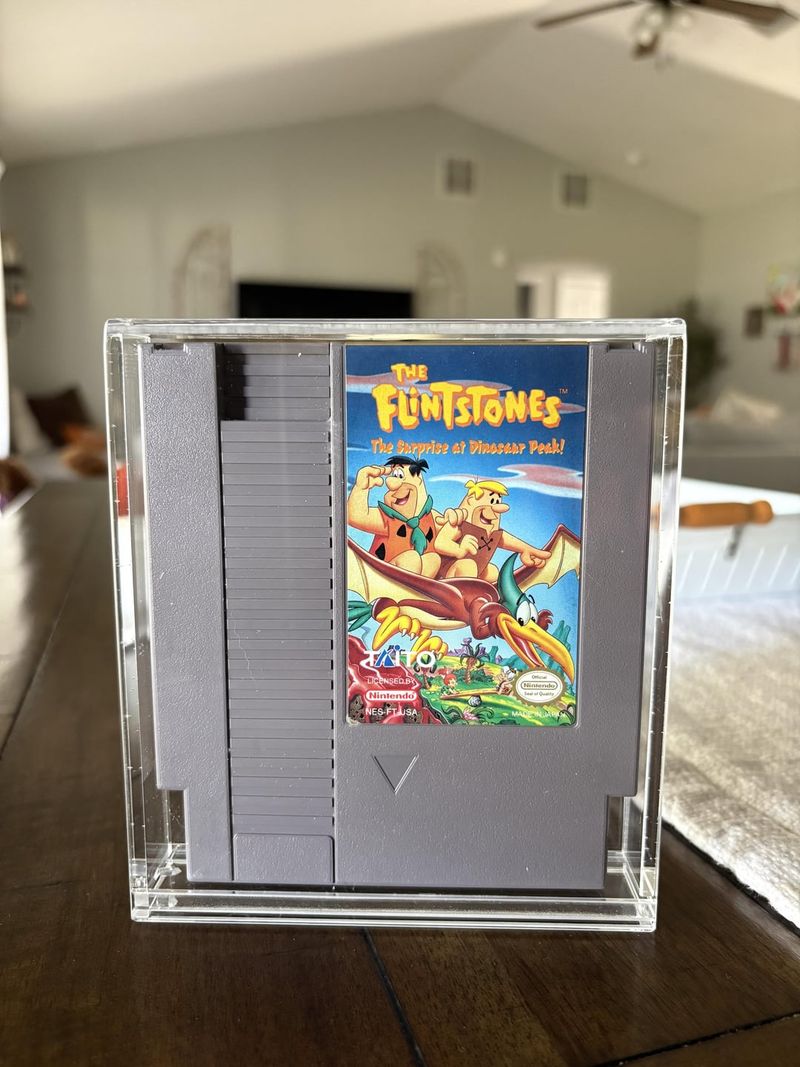
Yabba dabba doo, indeed. Taito’s The Flintstones: The Surprise at Dinosaur Peak arrived late in the NES lifespan, and very few copies hit the market.
You can switch between Fred and his club or Barney and his slingshot. Don’t confuse it with the earlier The Rescue of Dino and Hoppy, which is far more common.
Collectors often repeat that it was a Blockbuster rental exclusive, but solid proof is debated. Rental stickers on a cart can be a clue to its past, so leave them in place.
Complete copies passed $1,000 back in 2020, and graded examples go much higher. Bedrock never looked so profitable.
9. Super Mario Bros. (Sealed NES Copy)
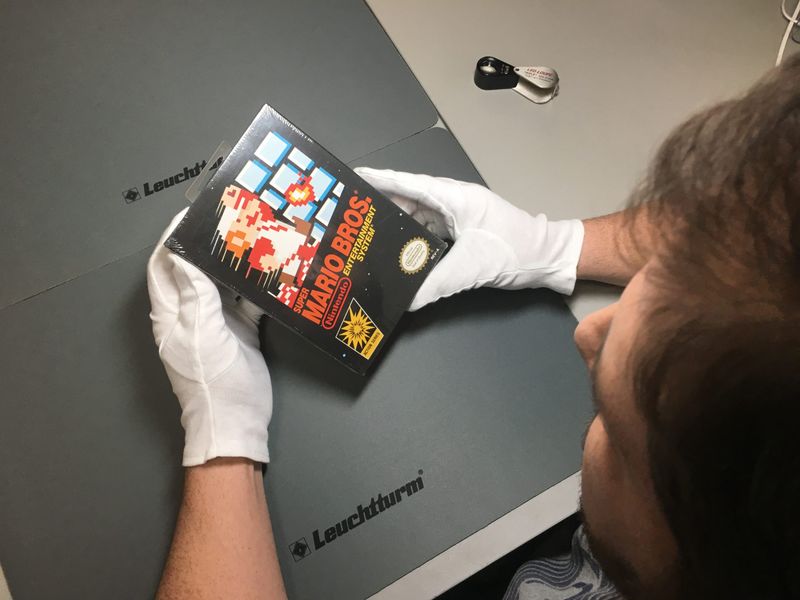
Millions of people owned this game, so why would one copy fetch $2 million? The answer is a factory seal that stayed unbroken for decades.
In 2021, a sealed Super Mario Bros. graded 9.6 A++ by Wata sold privately for $2 million. Early boxes have small details collectors study, like how the seal was applied and which hang tab style it has.
Opened copies are everywhere, and they’re worth far less. If you have one still sealed, don’t open it and don’t try to reseal anything.
An earlier sealed copy sold at Heritage Auctions for $660,000 in April 2021. Mario jumped plenty of gaps, but none as big as that price.
10. The Legend of Zelda (Sealed NES Gold Cartridge)
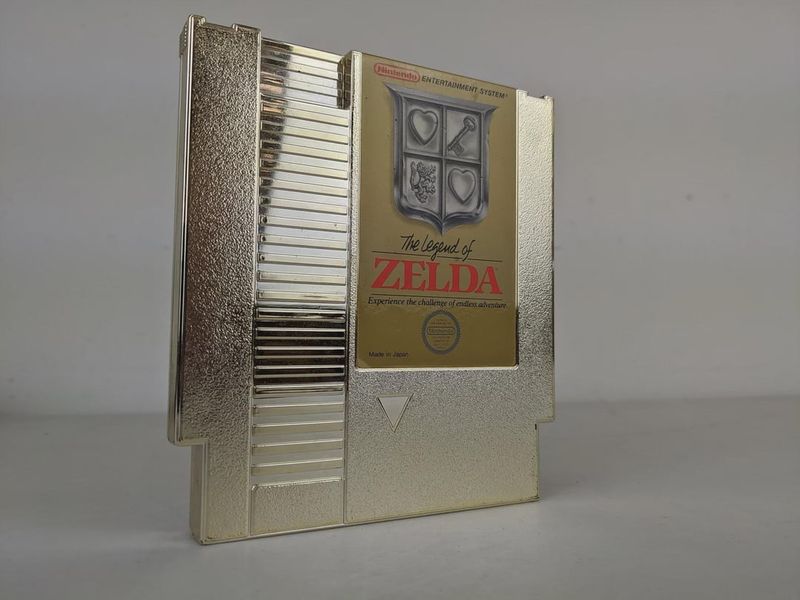
That shiny gold cartridge felt special in 1987, and a sealed one proved it decades later. In July 2021, a sealed Legend of Zelda graded Wata 9.0 A sold at Heritage for $870,000.
Early boxes have a small window showing the gold cart inside. Later printings and different box versions affect value, so the exact variation matters.
Loose gold carts are common and affordable compared with sealed boxes. Keep any sealed copy away from sunlight, which can fade the box colors.
The game also shipped with battery-backed saving, a big deal at the time. Today, saving that plastic wrap is what pays.
11. Super Mario 64 (Sealed Nintendo 64)
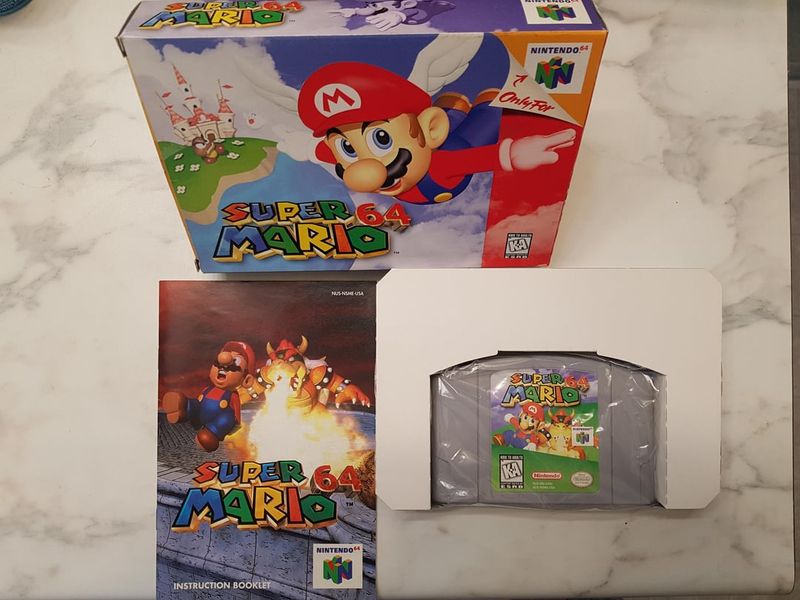
Mario’s leap into 3D made headlines in 1996, and a sealed copy made headlines again in 2021. Heritage Auctions sold a Wata 9.8 A++ copy for $1.56 million that July.
The game launched with the Nintendo 64 and was bundled with many systems. Collectors look closely at box variants and seal types when judging sealed copies.
Because so many were made, an opened copy is a nice keepsake, not a retirement plan. The top prices depend on near-perfect boxes graded by experts.
That sale briefly set a record for a single video game. Somewhere, Bowser is still trying to figure out what went wrong.
12. Super Mario Bros. 3 (Sealed Left Bros. Variant)
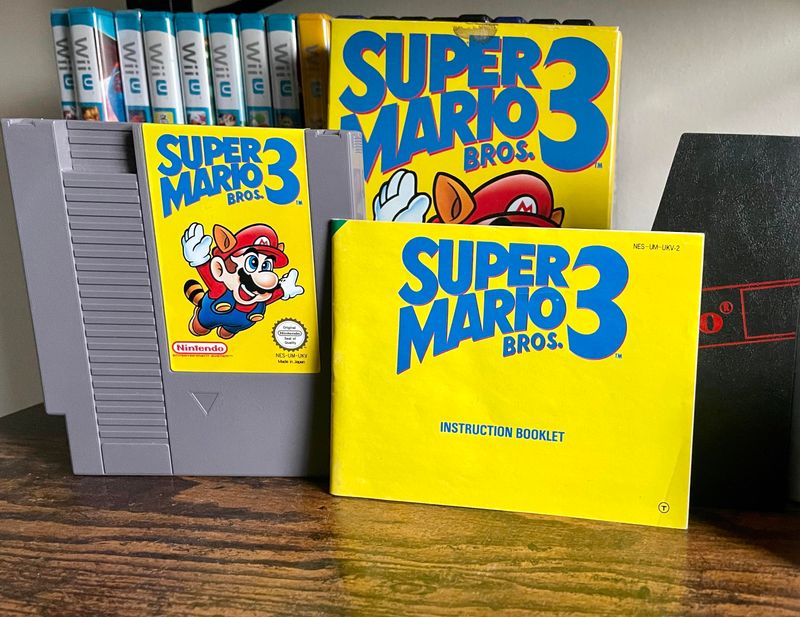
A single word’s position on the box can change a price by thousands. Early Super Mario Bros. 3 boxes show the word Bros. shifted to the left on the cover.
Later printings centered the title, making them easier to find. Compare your cover art closely against photos of both versions before you guess.
The difference matters most on sealed or very clean boxed copies. Loose cartridges look the same no matter which box they came in.
In November 2020, a sealed early variant graded Wata 9.2 A+ sold at Heritage for $156,000. That’s a lot of coins for a raccoon suit.
13. Cheetahmen II (Active Enterprises NES)
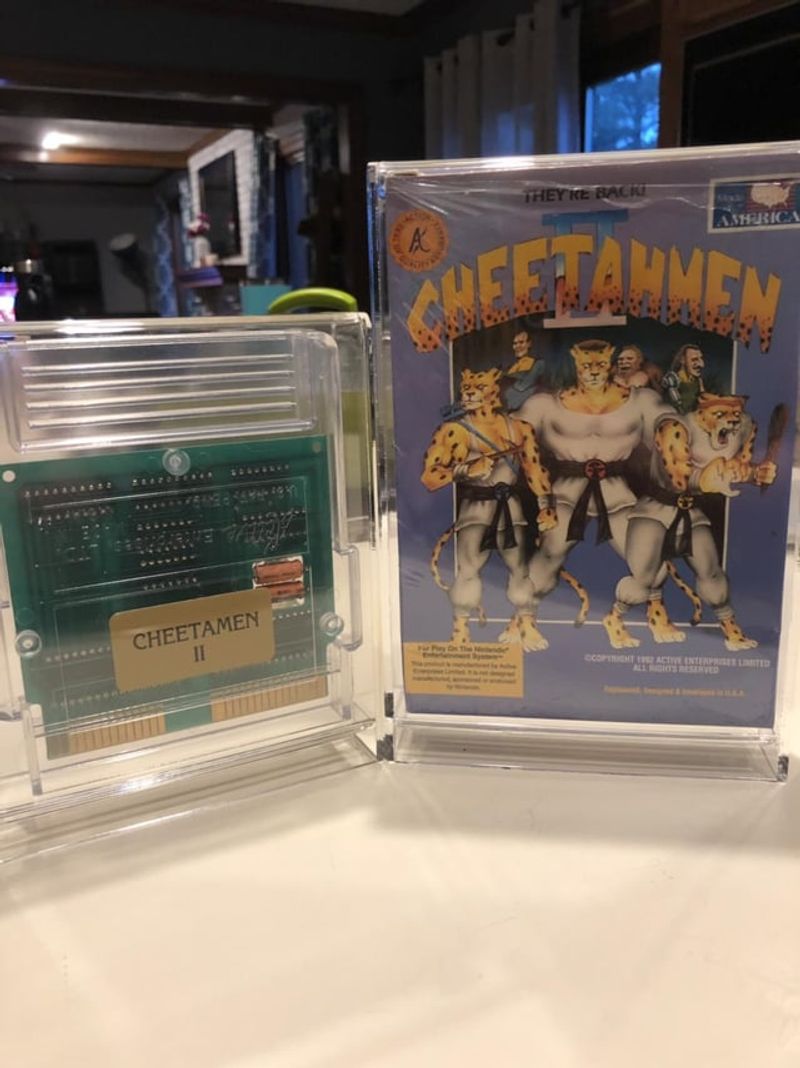
Some games become famous for being great, and this one became famous for being unfinished. Active Enterprises made Cheetahmen II, but it never got a proper retail release.
Copies reportedly turned up in a warehouse in the 1990s and were sold off later. Many have a sticker covering an Action 52 label underneath.
Many found copies reportedly can’t reach the later levels without a hardware trick. The game is unlicensed, so it won’t show Nintendo’s official seal.
Its strange story and rough design created a cult following. A Kickstarter remake even appeared in 2013, which says plenty about its odd fame.
14. Bonk’s Adventure (Hudson Soft NES)
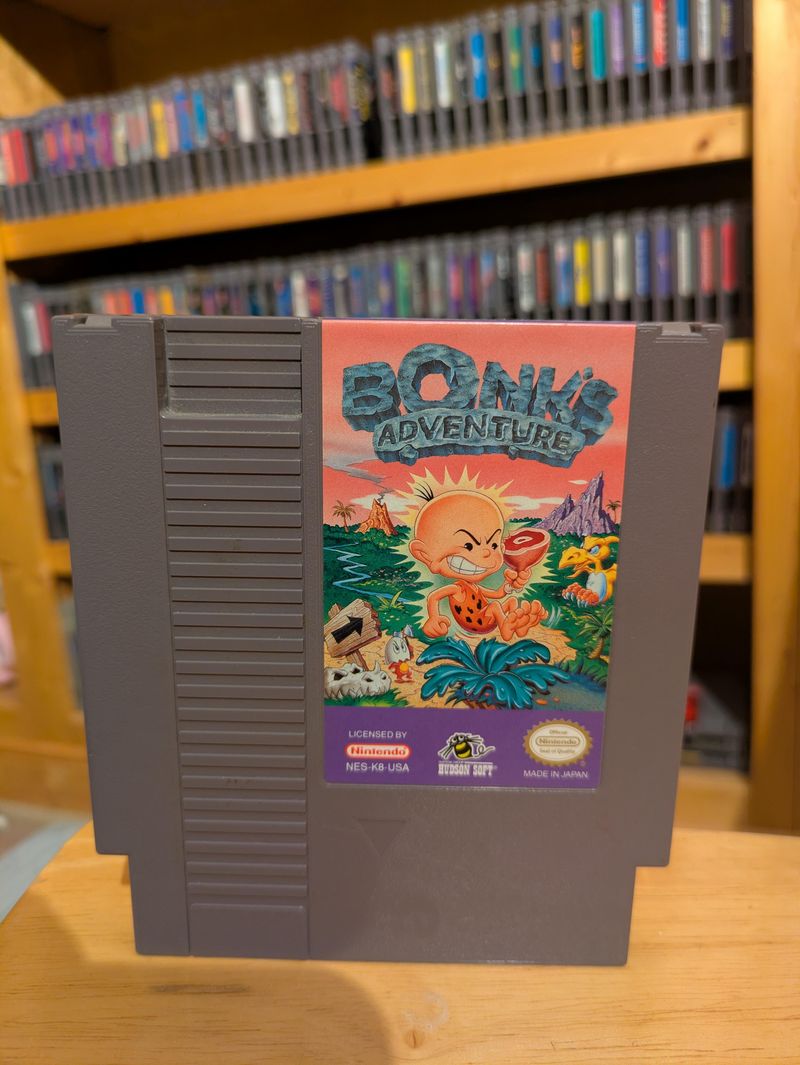
A caveman who attacks with his giant head sounds silly, and that’s exactly the appeal. Hudson Soft brought Bonk’s Adventure to the NES in 1994, years after it debuted on TurboGrafx-16.
By then, most players had moved to newer consoles. Check for the Hudson Soft logo and the bald, grinning Bonk on the label.
Small late-era print runs make complete copies hard to find. The manual and box often bring as much value as the cartridge itself.
Loose copies still sell well above ordinary NES games. Headbutting enemies apparently pays better than you’d think.
15. Snow Brothers (Capcom NES)
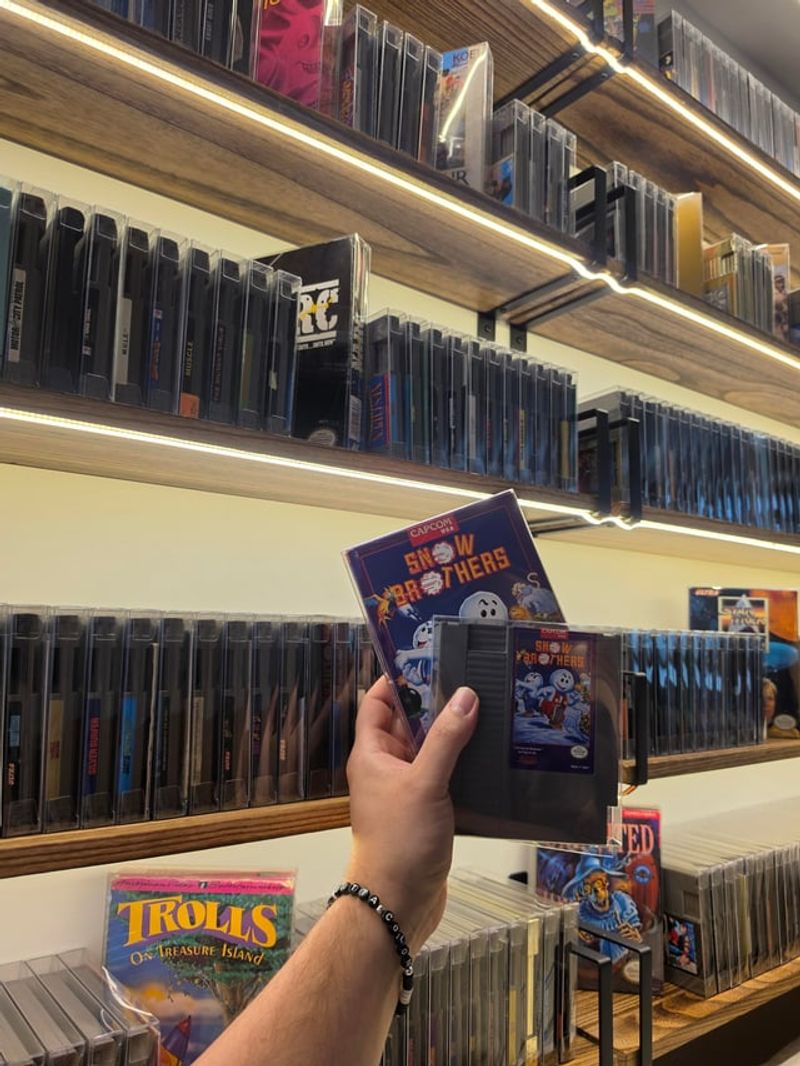
Two snowmen roll enemies into giant snowballs here, and it’s as goofy as it sounds. Capcom published Snow Brothers for the NES in North America in 1991.
The arcade original came from Toaplan, and the NES version supports two players. Look for Capcom’s logo and the blue-capped snowmen on the label.
Copies are scarce, so reproductions show up on resale sites. A genuine cart should have proper Nintendo markings and an official circuit board.
Complete boxed copies regularly sell for several hundred dollars or more. Those snowballs gathered value as they rolled.
16. EarthBound (Super Nintendo Big Box)
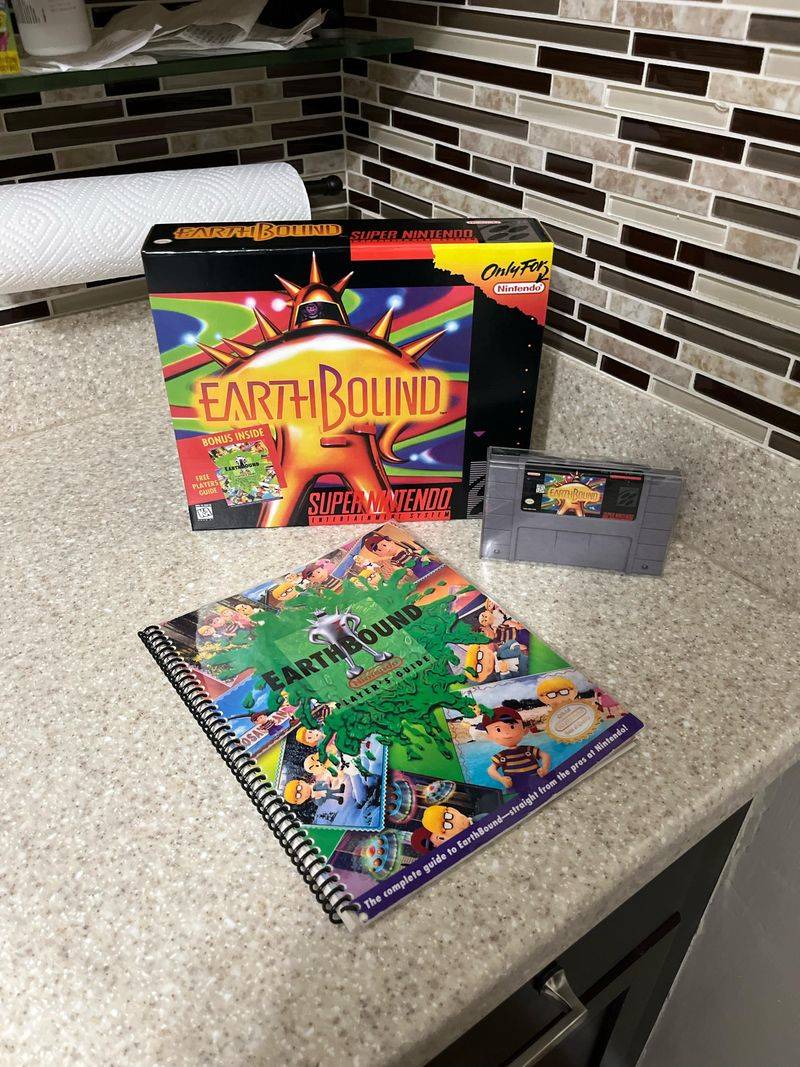
Nintendo once marketed a game with the slogan that it stinks, and that game is now a collector favorite. EarthBound came to the Super Nintendo in 1995 in an oversized box.
The box included a thick player’s guide with scratch-and-sniff cards. Yes, an actual smelly strategy guide.
Complete big box copies need the guide, cards, and box to fetch top prices. Unscratched cards are a nice bonus for picky collectors.
Sales were modest in America at the time, which helps explain prices today. A complete set sells for hundreds, often more.
17. Chrono Trigger (Super Nintendo)
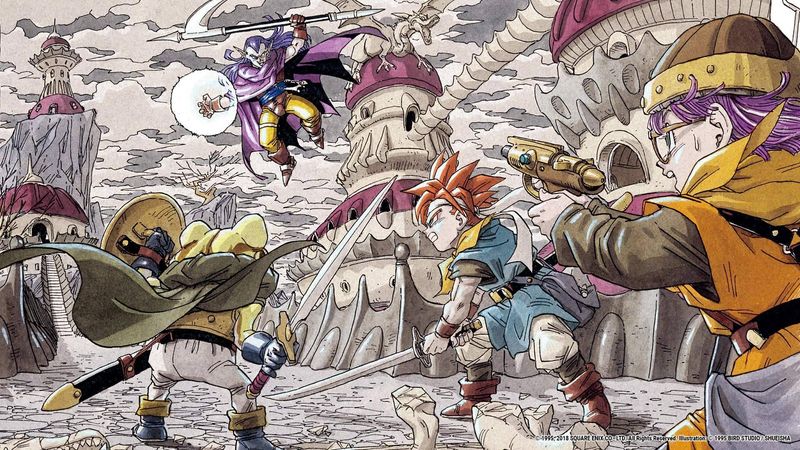
Akira Toriyama, the artist behind Dragon Ball, drew the characters for this time-travel adventure. Square released Chrono Trigger in North America in 1995.
The game features multiple endings, which keeps players replaying. The box shows Toriyama’s art, and the gray cartridge has a matching label.
Loose carts are common enough, but complete boxed copies are tougher. Battery-backed saves can fade over time, so a dead battery can lower value slightly.
Complete copies in nice shape sell for several hundred dollars. Time travel works, at least for your wallet.
18. Hagane: The Final Conflict (SNES)
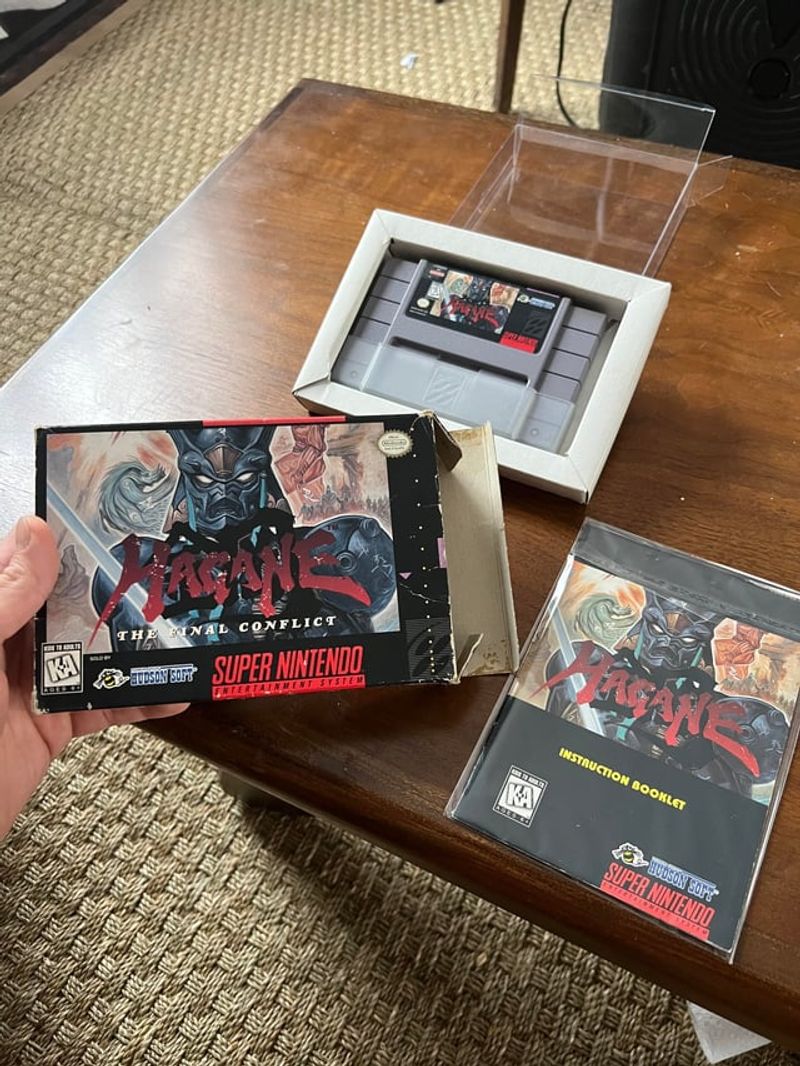
A cyborg ninja with a sword and grappling hook should be easy to find, but this one went mostly to rental shelves. Hudson Soft released Hagane for the Super Nintendo in 1995.
In North America, it’s often linked to Blockbuster rentals, which kept retail copies limited. Look for the armored ninja on the label.
Rental stickers are common on loose carts and don’t automatically ruin value. Boxed copies are much harder to find than cartridges alone.
Its scarcity pushes loose prices into the hundreds. Ninja skills include hiding from collectors, apparently.
19. Mega Man X3 (Super Nintendo)
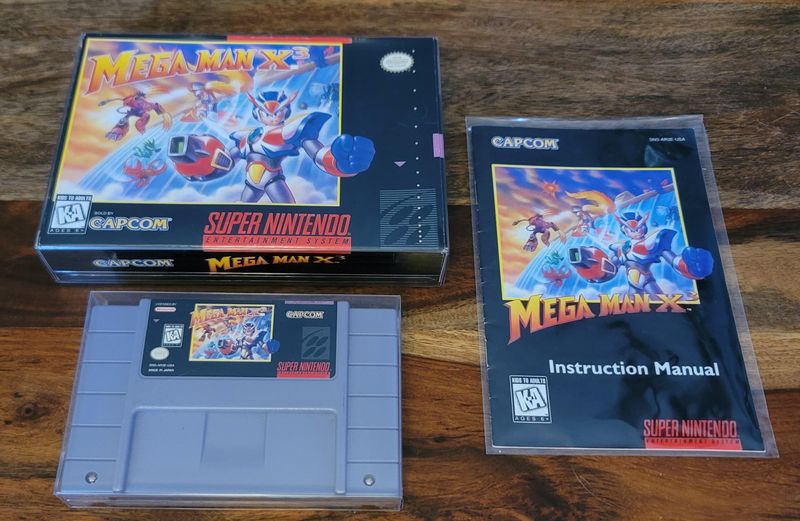
Zero finally became playable here, which made fans very happy. Capcom released Mega Man X3 on the Super Nintendo in 1995, late in that console’s run.
Many shoppers had already moved to newer systems. The box shows X and Zero against a red background.
Complete copies with manuals are pricier than loose carts. Check that the label is clean, since faded or torn labels lower value.
Prices for loose carts often climb into the hundreds. X keeps leveling up, and so does its price.
20. Clay Fighter: Sculptor’s Cut (Nintendo 64)
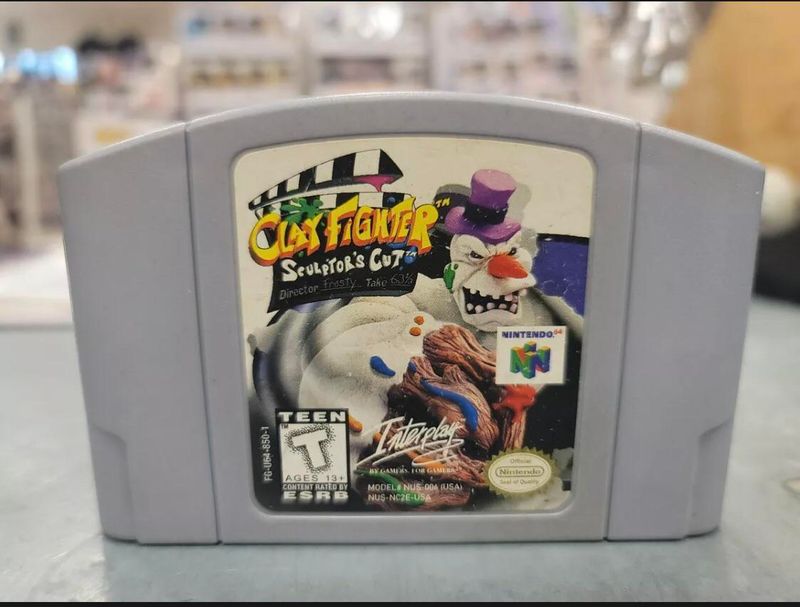
A fighting game made with clay characters already sounds quirky, and this version came with even more fighters. Interplay released Clay Fighter: Sculptor’s Cut for the Nintendo 64 in 1998.
It was mainly available as a Blockbuster rental in North America. The label shows the clay brawlers, so check carefully against the regular Clay Fighter 63 1/3.
Rental copies often carry stickers, which help prove the history. A clean label still matters, though.
Loose cartridges sell for well over a hundred dollars. Clay seems like a good investment after all.
21. Stunt Racer 64 (Nintendo 64)
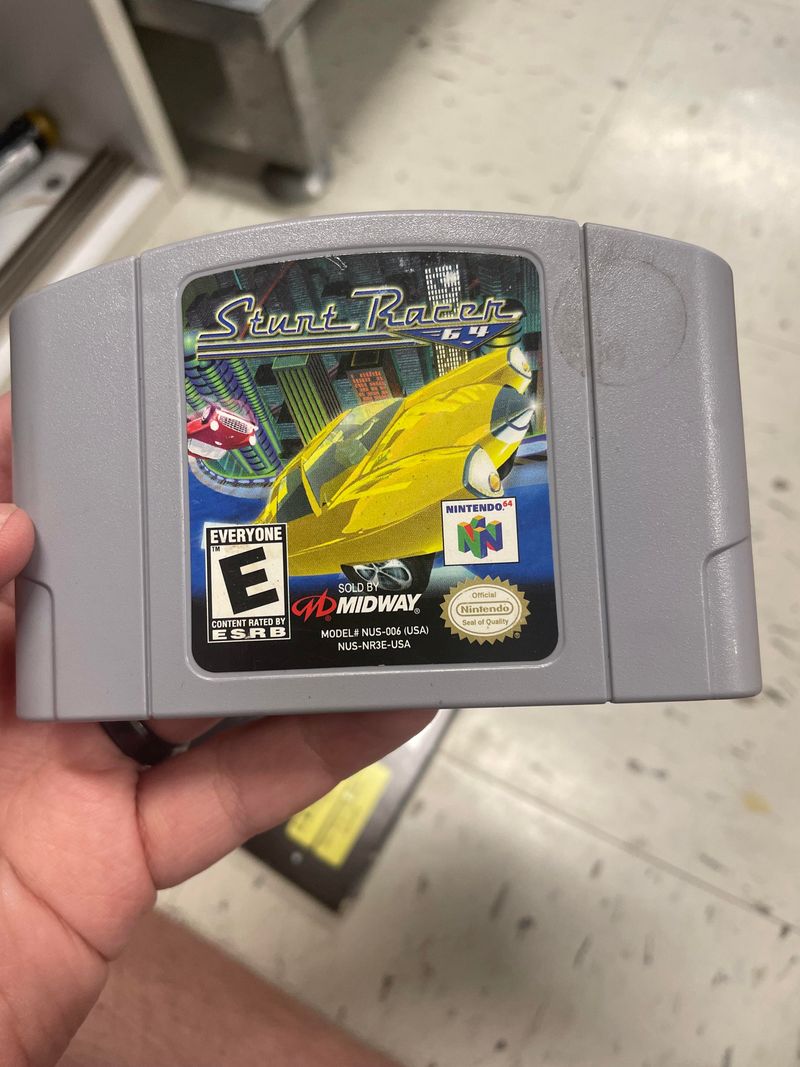
Flipping a car through the air for points made this racer stand out. Stunt Racer 64 came out in 2000 from Midway and developer Boss Game Studios.
In North America, it was a Blockbuster rental exclusive. Rental stickers on the label are common and expected.
Loose cartridges are the usual find, since rentals didn’t come with retail boxes for buyers. Check the contacts and label condition carefully.
Prices for loose copies often reach over a hundred dollars. Not bad for a game rented on a Friday night.
22. Donkey Kong Country Competition Cartridge (SNES)
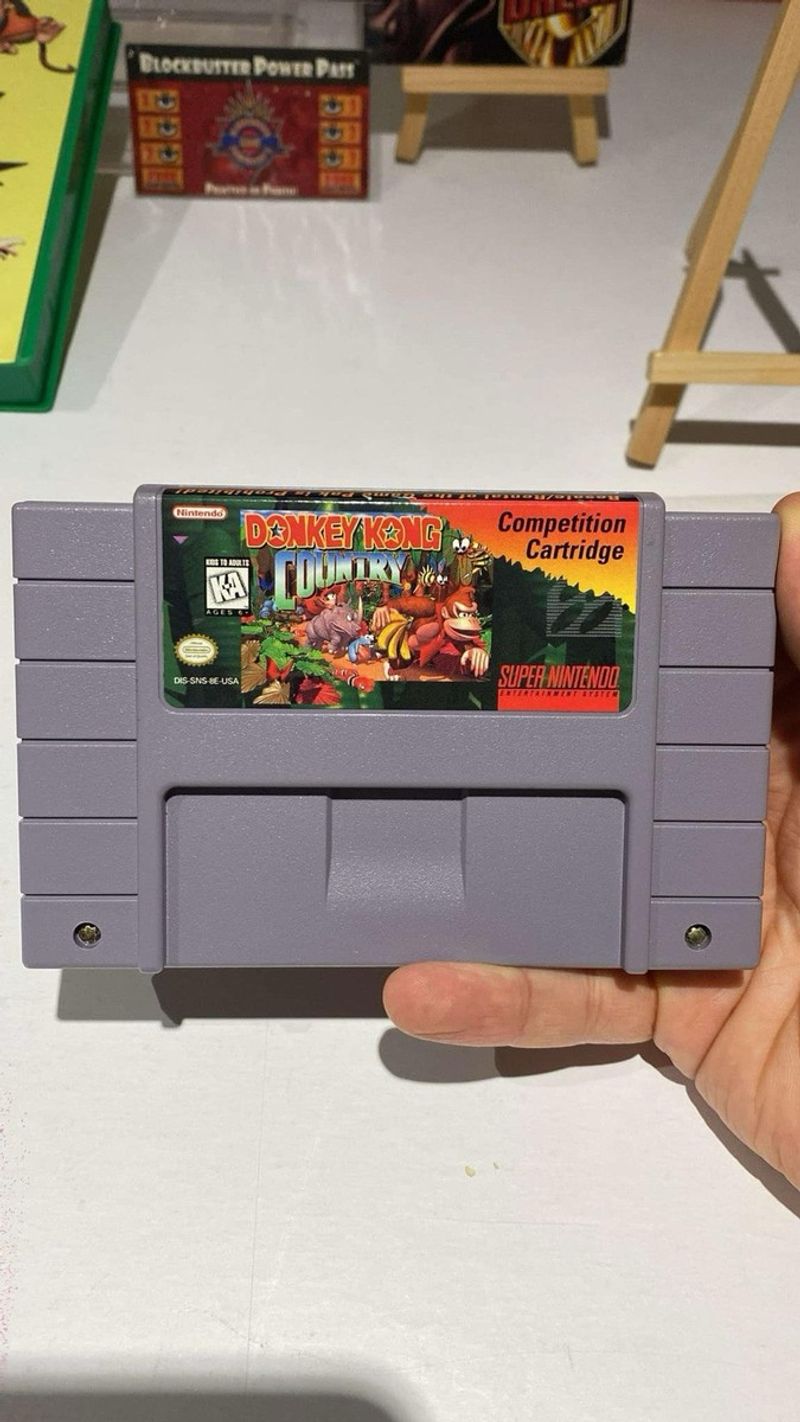
Blockbuster and Nintendo teamed up for a 1994 gaming contest, and this cartridge was the star. The Donkey Kong Country Competition Cartridge challenged players to score points in a time limit.
Nintendo later sold some copies through Nintendo Power magazine. The label clearly says Competition Cartridge, unlike regular copies.
Thousands were made, so it’s more common than the 1990 championship carts. Still, it’s far scarcer than standard Donkey Kong Country.
Copies routinely sell for hundreds of dollars. Those barrels sure rolled into value.
23. Star Fox Super Weekend Competition Cartridge
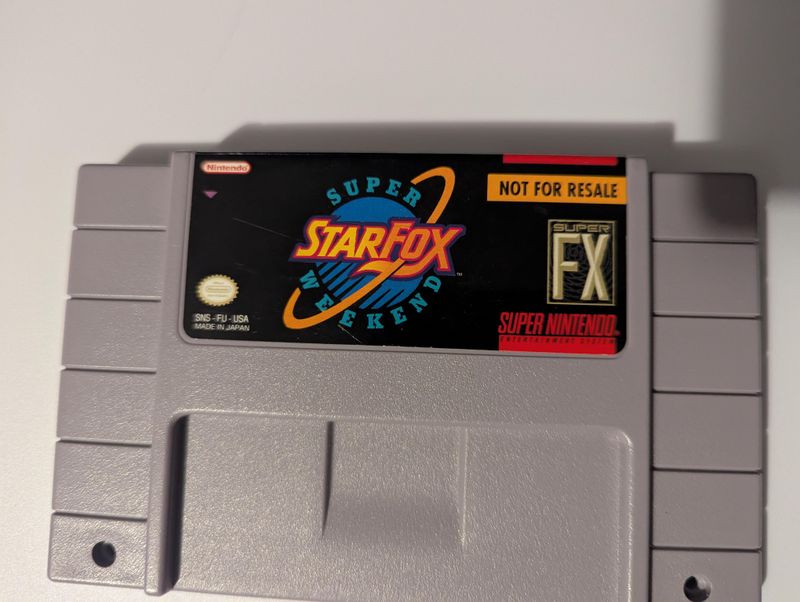
Retail stores hosted Star Fox contests in 1993, and this special cartridge powered them. Players raced to score points in a limited time.
Like the Donkey Kong contest cart, leftover copies were sold through Nintendo Power. The label reads Star Fox Super Weekend, which separates it from the regular game.
Watch for fake labels on regular Star Fox carts. The board and label should match known authentic examples.
Prices generally run well into the hundreds. Fox McCloud never charged that much for flying.
24. Nintendo PowerFest ’94 Cartridge
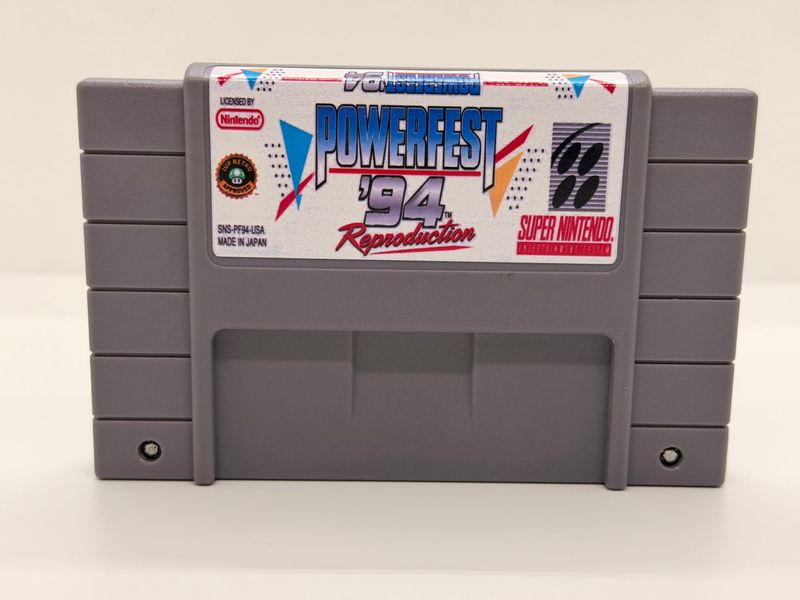
Only a few copies of this Super Nintendo contest cart are known to exist. Nintendo used it for its PowerFest ’94 tournament.
The cartridge mixed challenges from Super Mario Bros.: The Lost Levels, Super Mario Kart, and Ken Griffey Jr. Presents Major League Baseball. Its development-style board looks different from retail carts.
Because so few exist, authentication is critical. Most people will never see one outside photos.
When copies surface, they draw heavy interest from top collectors. A tournament prop became a treasure hunt.
25. Panic Restaurant (Taito NES)
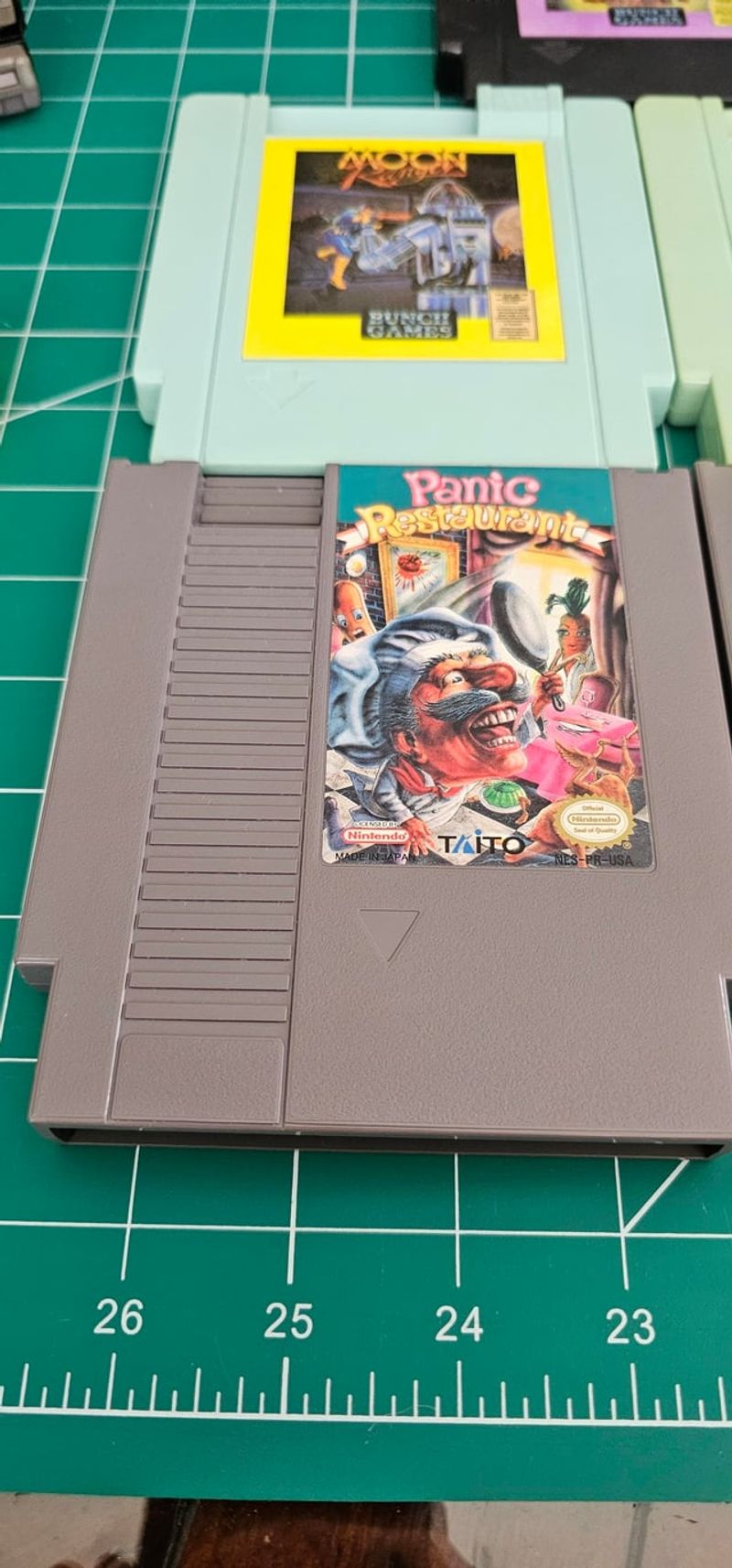
A chef battling angry food sounds like a cartoon, and that’s the whole plot. Taito published Panic Restaurant for the NES in North America in 1992.
You fight off evil ingredients with a frying pan. Look for the chef character and Taito logo on the label.
Late-era Taito games often had small print runs, which explains their scarcity. Complete copies with manuals are especially prized.
Loose carts sell for hundreds, and boxed ones climb much higher. Dinner never got so pricey.
26. Power Blade 2 (Taito NES)
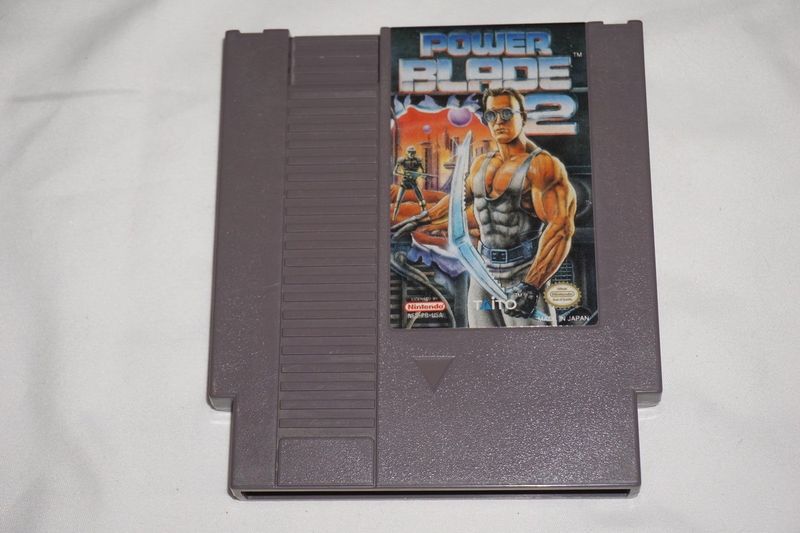
A boomerang-throwing hero returned for round two in this sequel. Taito released Power Blade 2 for the NES in 1992.
It came out as the Super Nintendo took over, which kept sales low. Check for the Taito label and armored hero artwork.
Boxed copies are much harder to find than loose carts. A clean label and manual can add serious value.
Loose cartridges sell for over a hundred dollars, sometimes more. Boomerangs do come back, and so do collectors.
27. DuckTales 2 (Capcom NES)
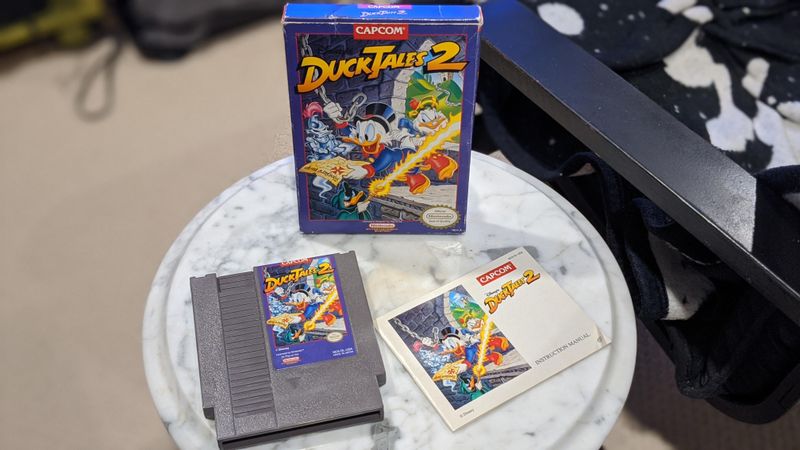
Scrooge McDuck loves money, so it fits that his second NES game is worth some. Capcom released DuckTales 2 in 1993.
The pogo-cane gameplay returns, with new treasures to collect. Look for Scrooge and the nephews on the label.
Because it arrived late, fewer copies were sold than the first game. Complete copies with boxes are especially valuable.
Loose carts sell for well over a hundred dollars, and boxed ones go much higher. Scrooge would definitely approve.


Leave a comment