
A Romanian inventor built one of the 1970s’ biggest tabletop hits because his government frowned on playing cards. Instead of giving up, he swapped cards for numbered tiles.
I love that kind of stubborn creativity.
That story is far from unusual for this decade. One game came from an Ohio barber who wanted a friendlier twist on an old card game.
Hi! This post may contain affiliate links to online stores. If you use a link and buy something, I may get a commission at no extra cost to you. See my affiliate disclosure.
Another arrived with a battery-powered storm cloud that swallowed plastic ships.
The seventies were a strange, inventive time for game boxes. Designers tried motors, flashing lights, three-dimensional houses, and boards that changed shape while you played.
Plenty of those ideas still feel fresher than a lot of today’s shelf fillers.
So which ones hold up best? The answers include deduction duels, marble mayhem, art auctions, and at least one very determined frog.
Grab a snack and see how many you recognize.
1. Mastermind
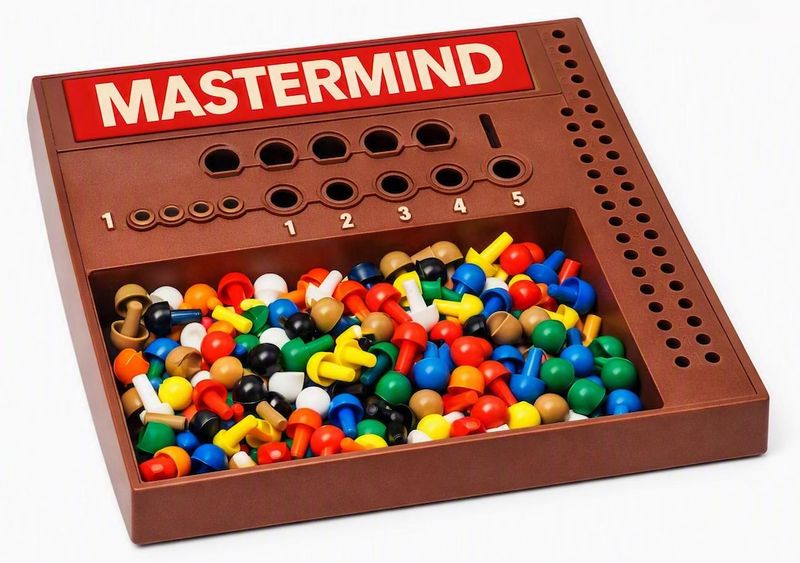
A postmaster and telecommunications expert from Israel, Mordecai Meirowitz, gave the world a game that turns guessing into pure logic. Invicta Plastics, a British company, released it in the early 1970s, and it quickly found fans in the United States.
One player hides a secret row of colored pegs behind a shield. The other player guesses, and small key pegs reveal how many colors are right and how many sit in the right spots.
You never get the answer handed to you, only clues. That means every guess is a tiny science experiment, and smart players use each one to rule out dozens of possibilities.
Mathematicians have even studied the best strategies, which tells you how deep a few plastic pegs can go.
2. Haunted House
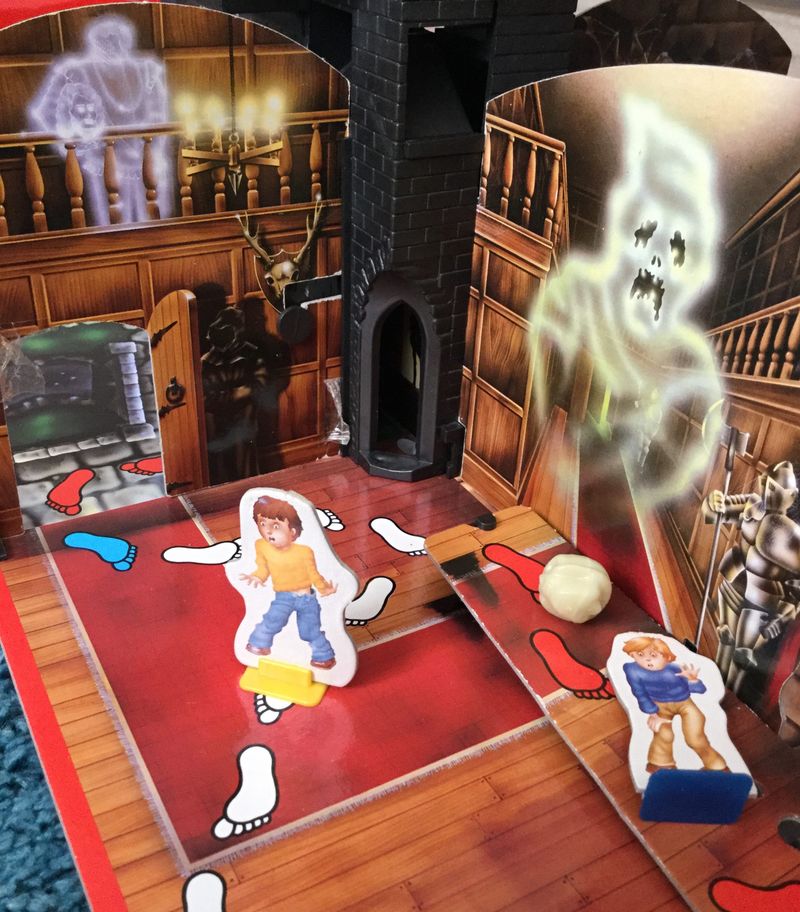
Not many kids’ games came with a working chimney. Milton Bradley’s Haunted House, released in 1970, stood up off the table with three-dimensional cardboard walls and spooky rooms.
Players move through the house by drawing cards, hoping to reach the treasure upstairs. A cheeky ghost named Ghoulish Gertie can send a ball rolling down the chimney, knocking pieces back toward the start.
That surprise makes the game feel alive in a way flat boards rarely manage. You can’t plan around a ghost with perfect aim, so luck keeps younger players in the race.
It’s a playful reminder that 1970s designers loved turning a simple path game into a small stage show you could fit on a kitchen table.
3. Connect Four
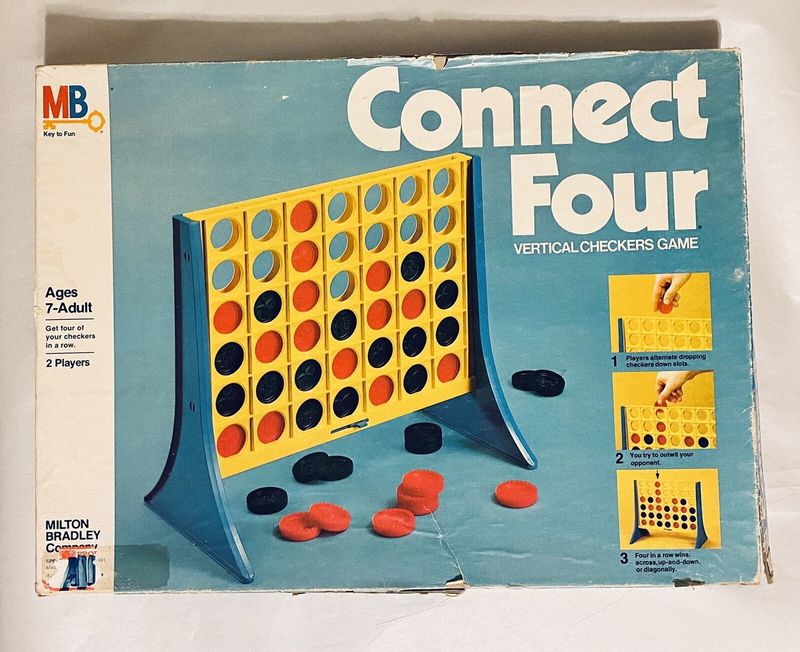
Gravity does half the work in Connect Four, and that’s exactly why it’s so clever. Milton Bradley launched the game in 1974, with designers Howard Wexler and Ned Strongin behind the idea.
Two players take turns dropping colored discs into a standing grid. The first to line up four in a row, across, up, or diagonally, wins the round.
Since discs fall to the lowest open spot, you can’t place them anywhere you like. That forces you to think about what your move sets up for your opponent.
Here’s a fun fact: computer scientists proved in 1988 that the first player can always win with perfect play, starting in the middle column. Good luck playing perfectly, though.
4. Othello
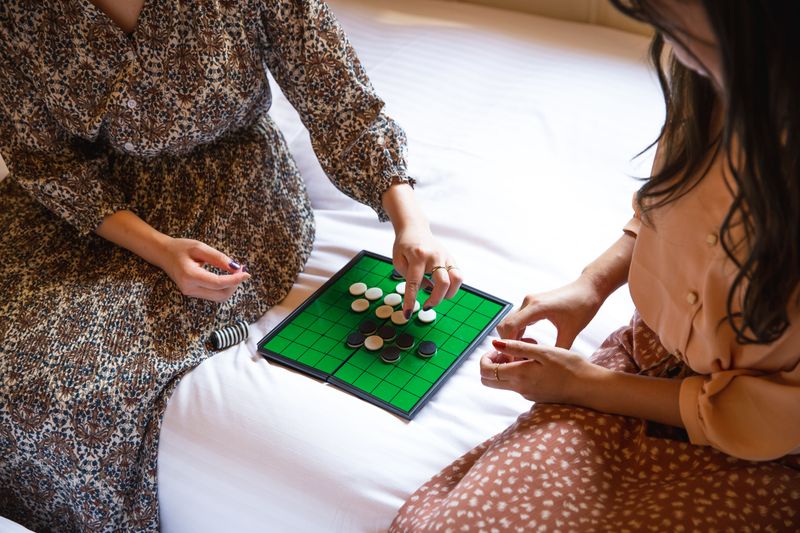
Flipping your opponent’s pieces to your own color never gets old. Othello, marketed in Japan in 1971 by Tsukuda Original and credited to Goro Hasegawa, built on an older game called Reversi.
Players place discs on a green grid, trapping enemy discs between two of their own. Every trapped disc flips over, so the board can swing wildly in just one turn.
The game’s famous slogan, “A minute to learn, a lifetime to master,” fits it perfectly. Beginners grab as many discs as possible early, while experts often wait.
Corners matter a lot, because a disc there can never be flipped back. Learn that one tip and you’ll suddenly look like you know what you’re doing.
5. Pay Day
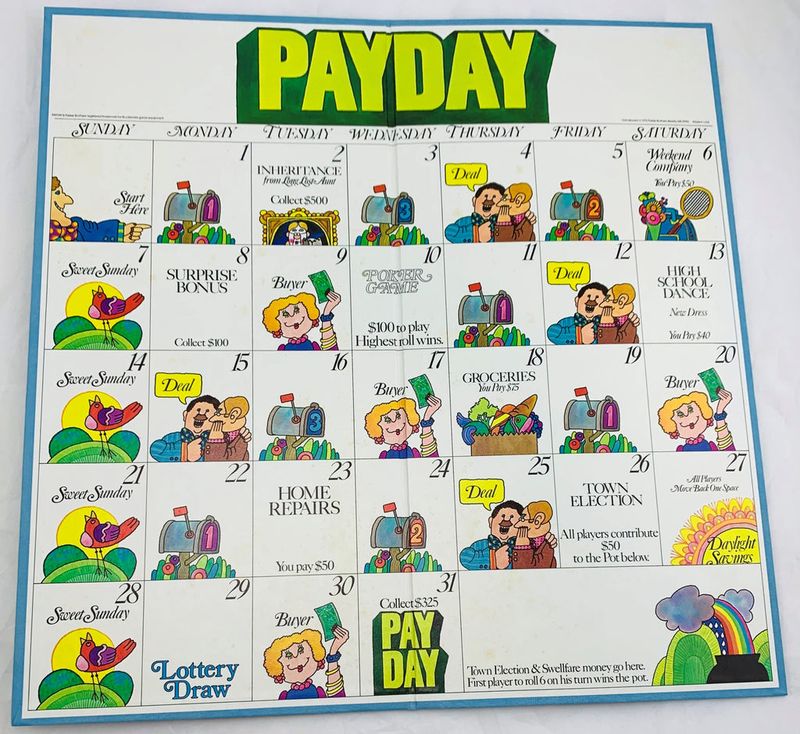
Bills arrive in the mail in Pay Day, which might be the most realistic board game feature ever invented. Designed by Paul J.
Gruen, it was published by Parker Brothers in 1975.
The board looks like a monthly calendar, and you move day by day. Along the way, you get mail, buy deals, enter sweepstakes, and collect your paycheck at the end of the month.
You decide how many months to play before starting, so a quick game or a long one both work. It sneaks in real lessons about loans, interest, and saving without feeling like homework.
If you’ve ever paid a bill and sighed, this game will feel oddly familiar, just with friendlier stakes.
6. Hungry Hungry Hippos
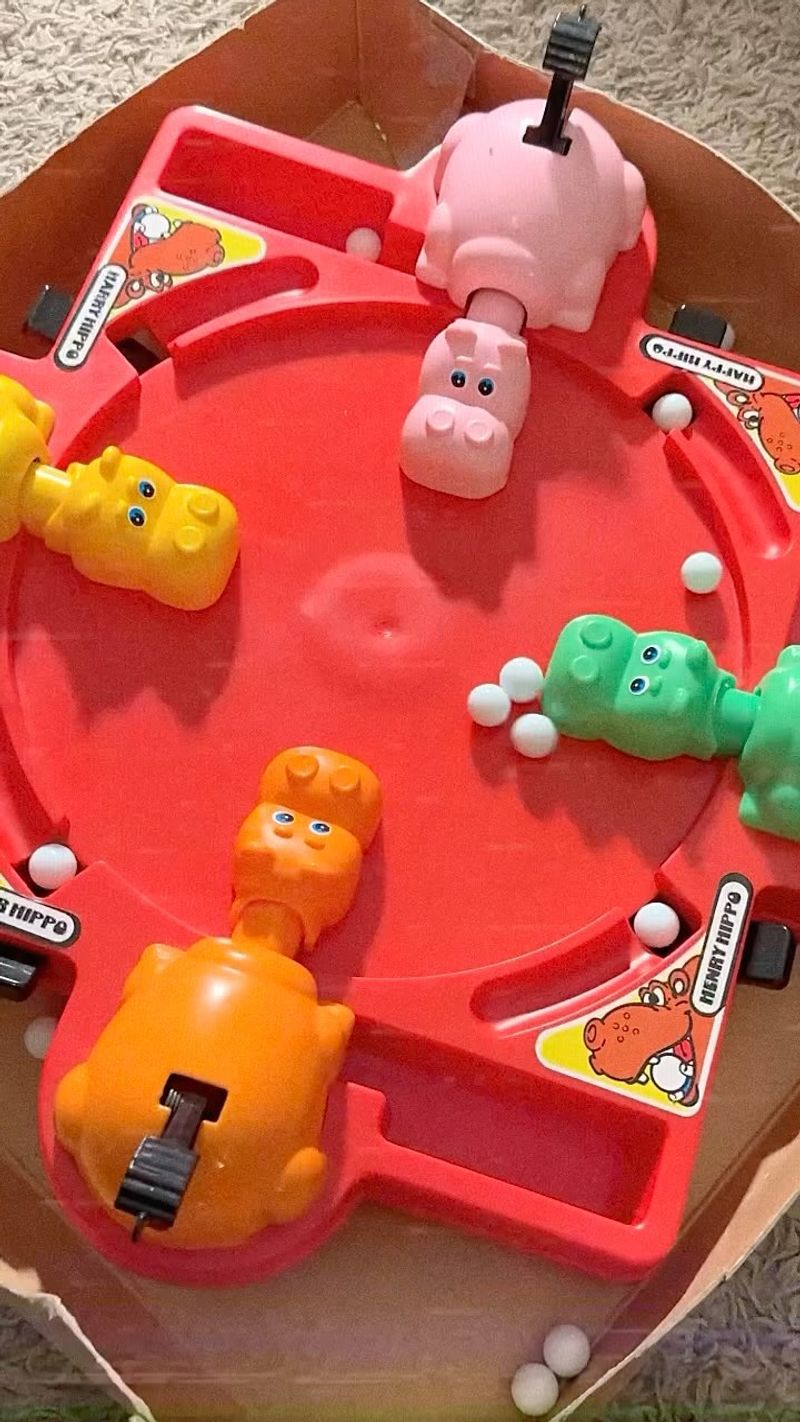
Four plastic hippos, a pile of marbles, and absolutely no strategy required. Milton Bradley released Hungry Hungry Hippos in 1978, based on a design credited to Fred Kroll.
Each player presses a lever that makes their hippo stretch out and chomp. Whoever gobbles the most marbles by the end wins, and rounds go by in seconds.
The speed is the whole point, so even toddlers can compete against grown-ups. Original hippos had names like Lizzie, Henry, Homer, and Harry.
Oddly enough, those names have changed in some later editions, so check your box if you ever want to settle an argument about who exactly Henry was.
7. Bonkers!
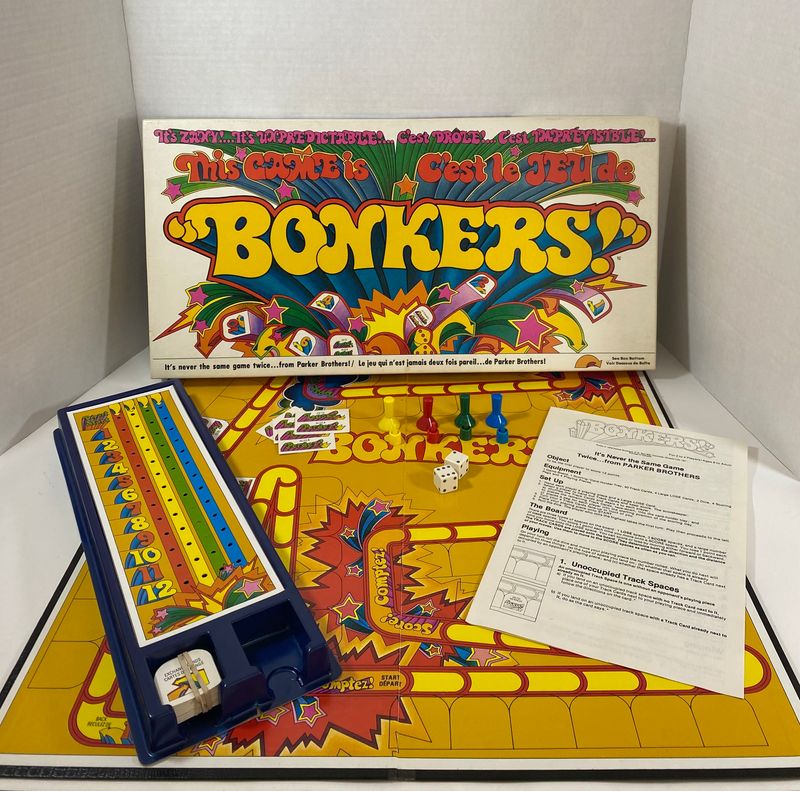
The board in Bonkers! starts mostly empty, and you build the chaos as you go. Parker Brothers released it in 1978 with the promise that it would never play the same way twice.
Players roll dice, move around a track, and place cards on the spaces they land on. Those cards send pieces forward, backward, or to scoring spots, and they stay put for later turns.
That creates wild chain reactions where one move bounces you around the board. Planning helps a little, but mostly you just laugh at the results.
The race to score 12 points can turn on one silly card you placed yourself, which is a pretty fair lesson about setting traps.
8. Stay Alive
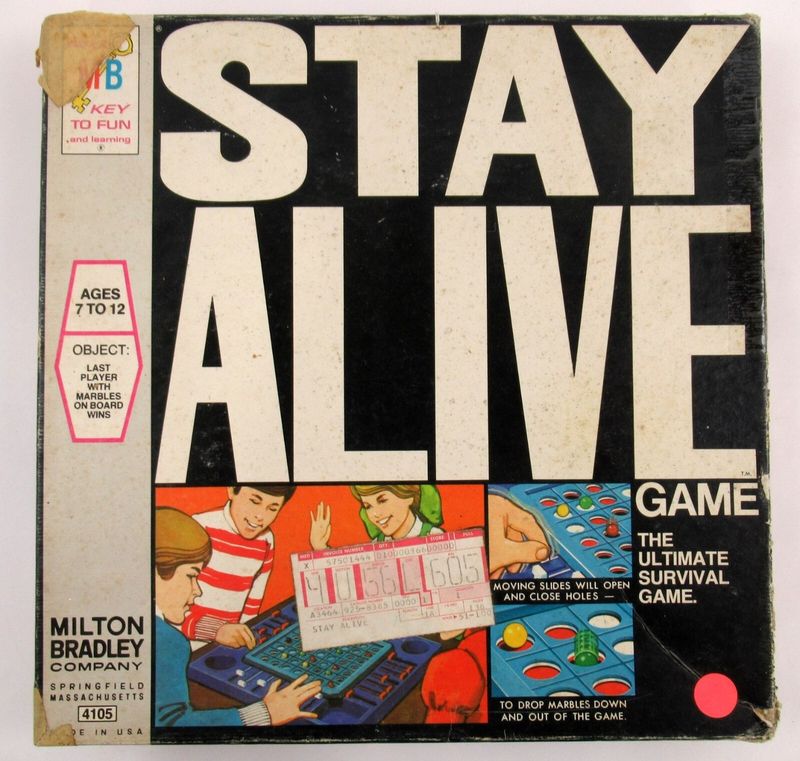
Holes open beneath your marbles in Stay Alive, and you never know which slide will drop next. Milton Bradley brought the game to American shelves in 1971.
The board has plastic sliders running across it, each with holes cut in different places. Players move sliders on their turn, hoping to drop opponents’ marbles through the gaps.
Since the sliders move both your marbles and theirs, every push is a gamble. You might wipe out a rival and lose your own marble in the same move.
The last player with a marble on top wins, so careful observation pays off more than you’d guess from such a simple setup.
9. Crossfire
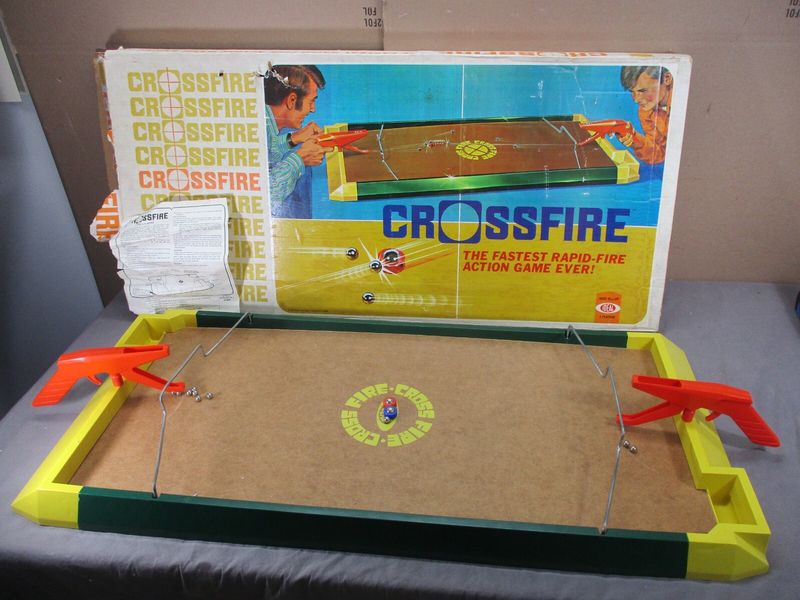
Metal ball bearings are the ammo in Crossfire, a table game first released by Ideal in 1971. It later got a big boost from a famously loud 1990s TV commercial.
Each player controls a shooter mounted on the edge of the arena. You fire steel balls to push two pucks into your opponent’s goal before they push them into yours.
Nobody takes turns, so both players blast away at once. That makes it closer to air hockey than a regular board game.
Aim matters, but so does keeping your stock of balls loaded. Expect plenty of commotion, and maybe keep a few extra ball bearings handy, because they love rolling under couches.
10. Mr. Mouth
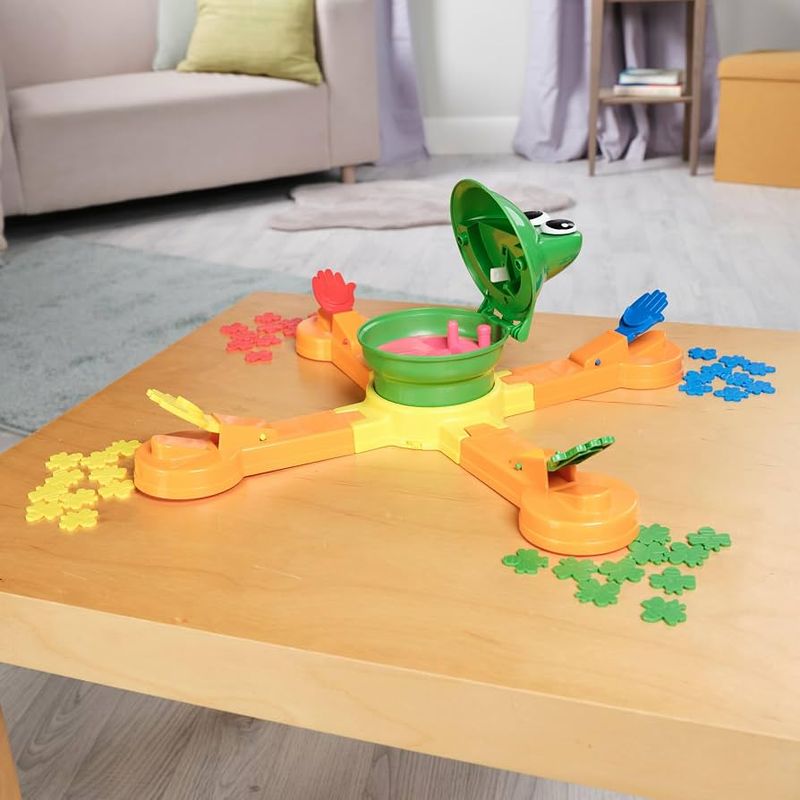
Feeding a spinning frog plastic flies sounds like a strange hobby, yet Mr. Mouth made it a game. Tomy released the battery-powered toy in the 1970s.
The frog’s head turns slowly while its mouth opens and shuts. Players use little flippers to launch flies, trying to land them inside before the mouth closes.
Timing is the whole skill here. You have to watch the rhythm of the head and fire at just the right moment.
Whoever empties their supply of flies first wins, which keeps rounds short and fast. Younger kids can hold their own, since quick reflexes matter more than reading or planning.
11. Stop Thief!
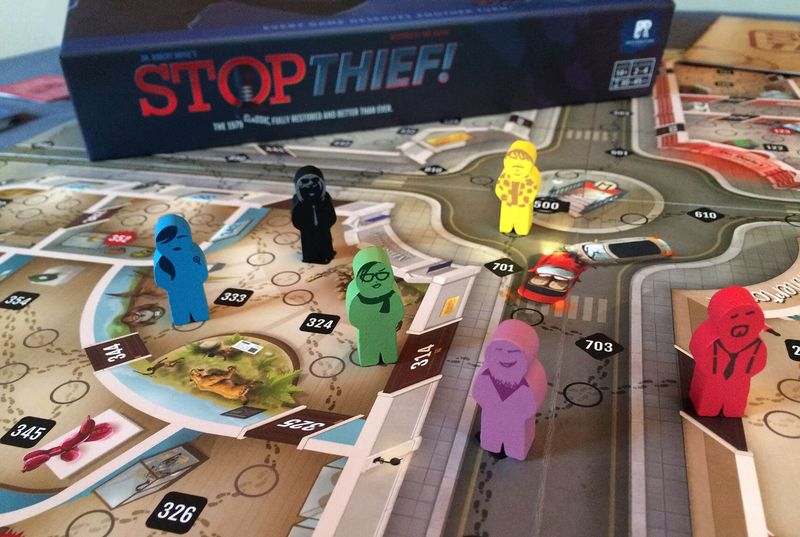
A beeping handheld gadget hides the criminal in Stop Thief!, and that felt like the future in 1979. Parker Brothers released the game, which was designed by Robert Doyle.
The thief never appears on the board. Instead, the electronic crime scanner plays sounds, like footsteps, opening doors, or breaking glass, and shows a clue to the thief’s location.
Players act as detectives racing to track the crook through buildings and streets. You listen, think, and try to make the arrest before anyone else collects the reward.
It was an early example of electronics truly changing how a board game worked, rather than just adding flashing lights for fun.
12. Masterpiece
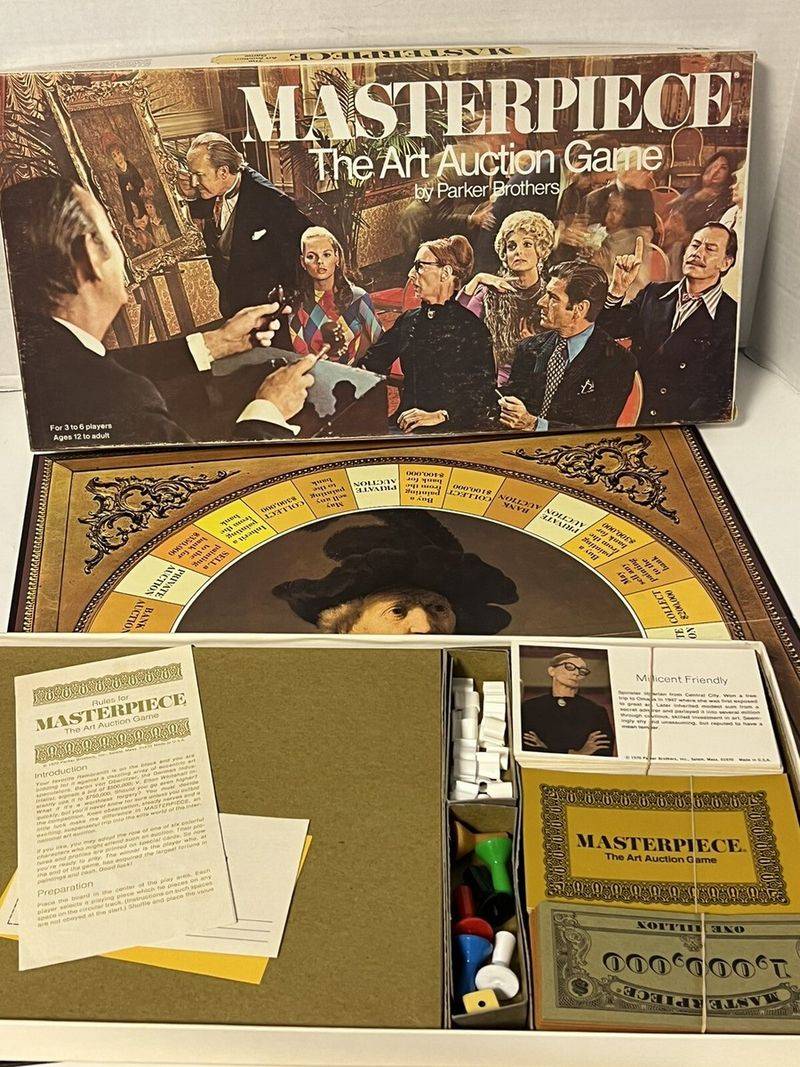
Real paintings from the Art Institute of Chicago appeared on the cards in Masterpiece, released by Parker Brothers in 1970. Think of it as an auction where your fancy canvas might be a fake.
Each painting gets a secret value card, ranging from a big fortune to a worthless forgery. Players bid at auctions, buy from the bank, and sell art to grow their cash.
Bluffing is the heart of the fun. If you act thrilled about a painting, rivals may bid it up, even if you know it’s a dud.
The game gives you a peek at classic artwork while teaching you to keep a straight face, a pretty useful skill in any auction.
13. Electronic Battleship
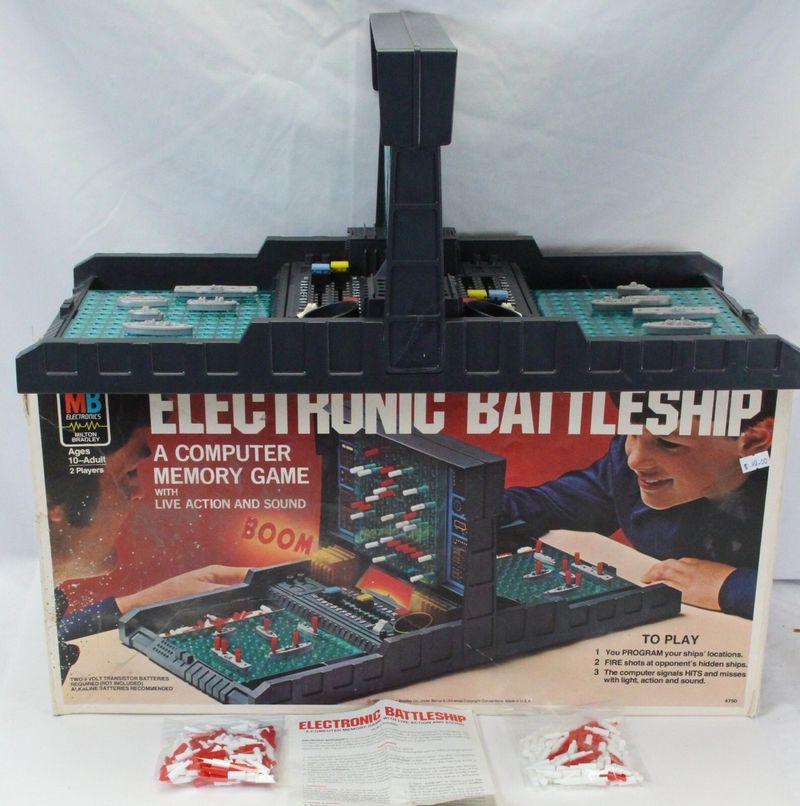
Calling out “B-4” took on a whole new sound when Milton Bradley released Electronic Battleship in 1977. The classic naval guessing game suddenly came with sound effects and a computer brain.
Players hide their fleets as usual, then type coordinates into a keypad. The unit plays a whistle and blast for hits or a splash for misses.
The electronics kept score honestly, so nobody could quietly fudge a result. It also added drama, since you waited a beat for the sound before knowing your fate.
For a decade still getting used to home electronics, hearing a board game fire missiles was a pretty big deal.
14. Bermuda Triangle
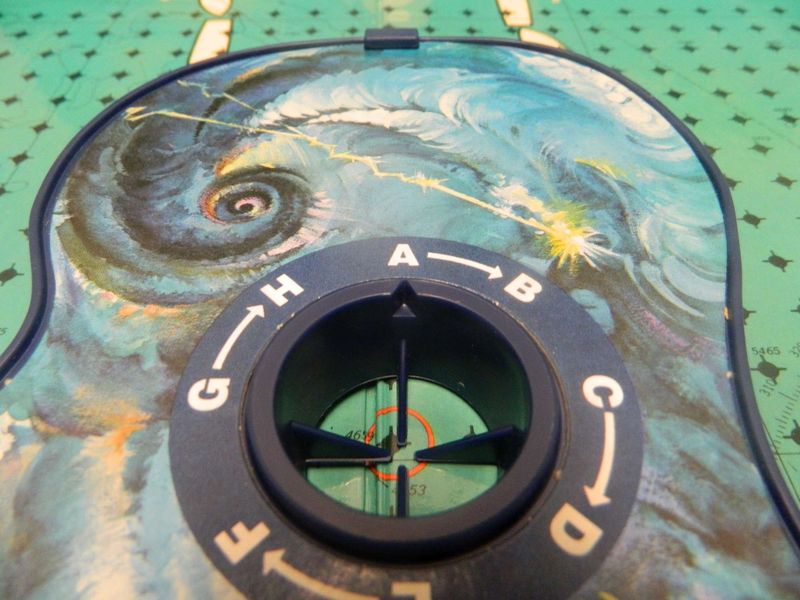
A motorized black cloud slides around the board in Bermuda Triangle, swallowing ships with a magnet. Milton Bradley released the game in the mid-1970s, riding a wave of public fascination with the mystery.
Players sail cargo ships between ports to earn money. The cloud moves in random directions, and any ship caught underneath simply vanishes from the sea.
That turns every voyage into a risky choice. Do you take the safe long route or zip through the danger zone for faster profit?
The cloud doesn’t care about your plans, which makes each round tense. Few games have used a real legend this literally, and the result is wonderfully dramatic.
15. Dungeon!
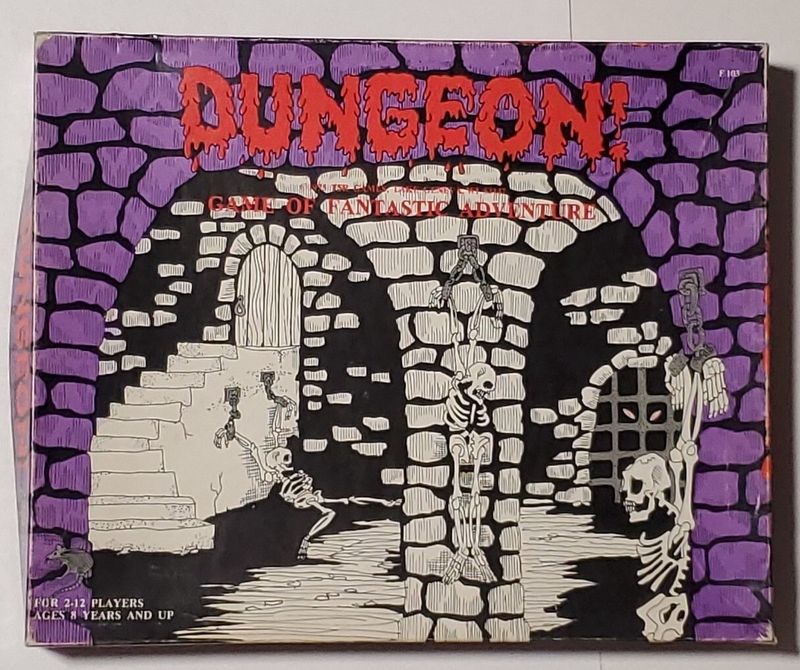
The company behind Dungeons and Dragons also made a board game for players who wanted fantasy without hours of setup. TSR published Dungeon! in 1975, designed by David R.
Megarry.
Players pick a character like an Elf, Hero, Superhero, or Wizard. They explore a dungeon map, battle monsters, and grab treasure before racing back to the start.
Deeper levels hold tougher monsters but bigger rewards, so you choose your own risk. Stronger characters need more treasure to win, which keeps things balanced.
Megarry drew inspiration from Dave Arneson’s Blackmoor campaign, so Dungeon! sits right at the roots of modern fantasy gaming. Not bad for a game kids can learn quickly.
16. UNO
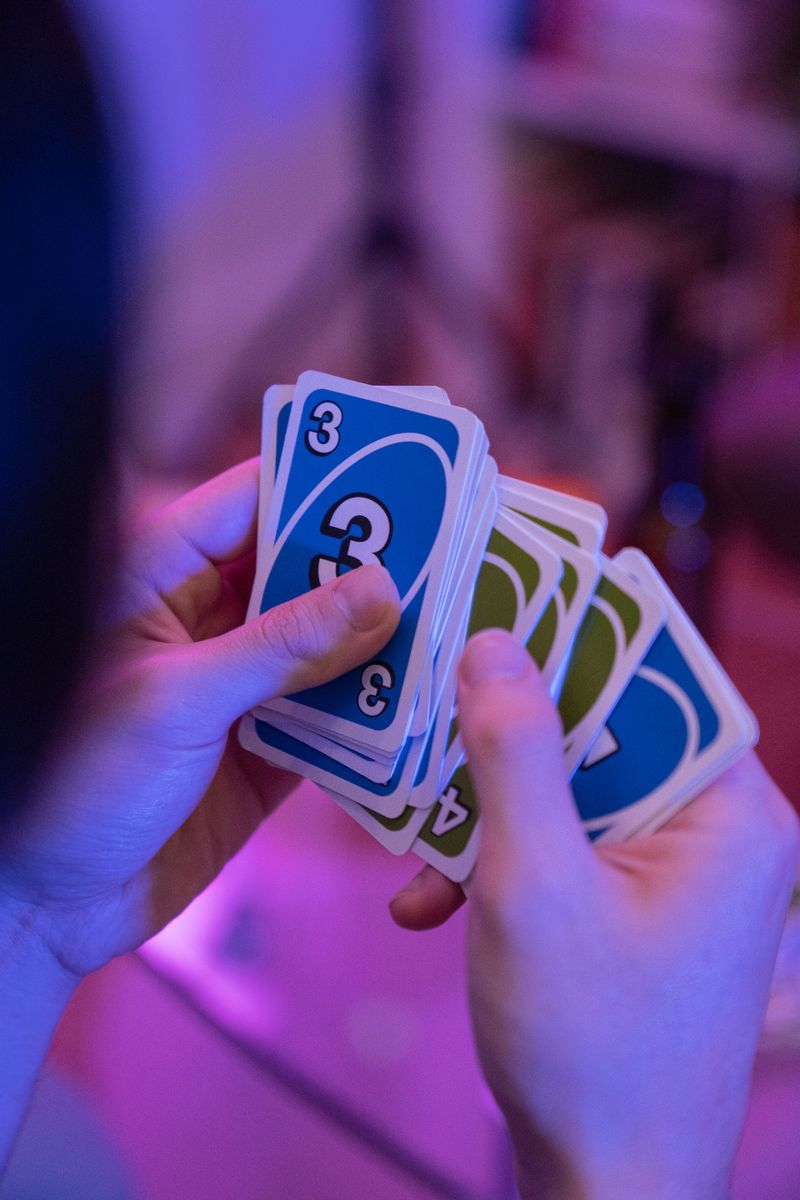
An Ohio barber named Merle Robbins dreamed up UNO in 1971 after a family argument over the rules of Crazy Eights. He and his family reportedly sold early copies from his barbershop.
Players match cards by color or number, trying to empty their hands first. Action cards like Skip, Reverse, and Draw Two keep anyone from feeling too comfortable.
Of course, you must shout “UNO” when down to one card, or risk drawing more. Robbins later sold the rights to a group of investors, and Mattel now owns the game.
A simple fix to an old card game ended up becoming one of the bestselling card games anywhere.
17. Top Trumps
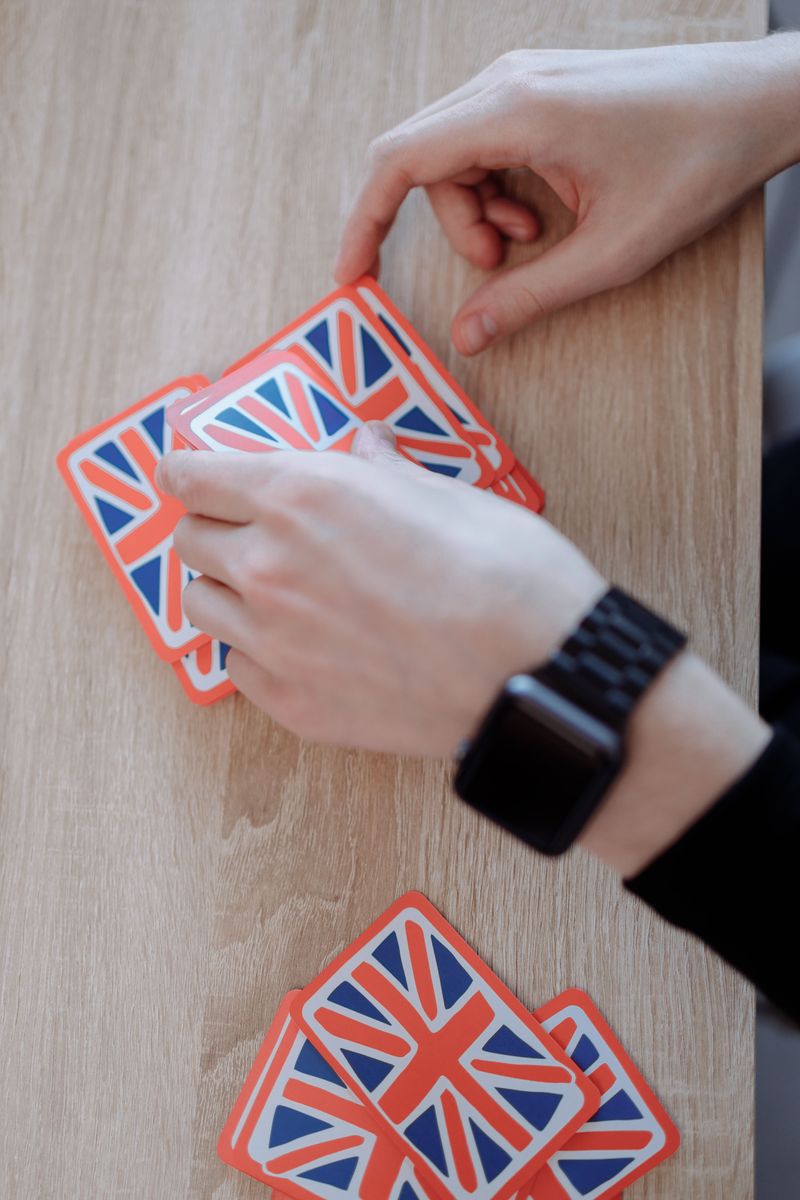
Knowing a car’s top speed suddenly became a superpower thanks to Top Trumps. The British card game took off in the late 1970s after Dubreq began publishing it under that name.
Each card shows a car, plane, or other subject with numbers for different stats. You pick a category from your top card, and the highest number wins the round.
Winners collect losing cards, and the goal is to grab the whole deck. It’s fast, easy, and sneakily educational, since kids end up memorizing facts about engines and wingspans.
Modern decks cover topics from movies to animals, so you can find a version for nearly any interest.
18. Headache
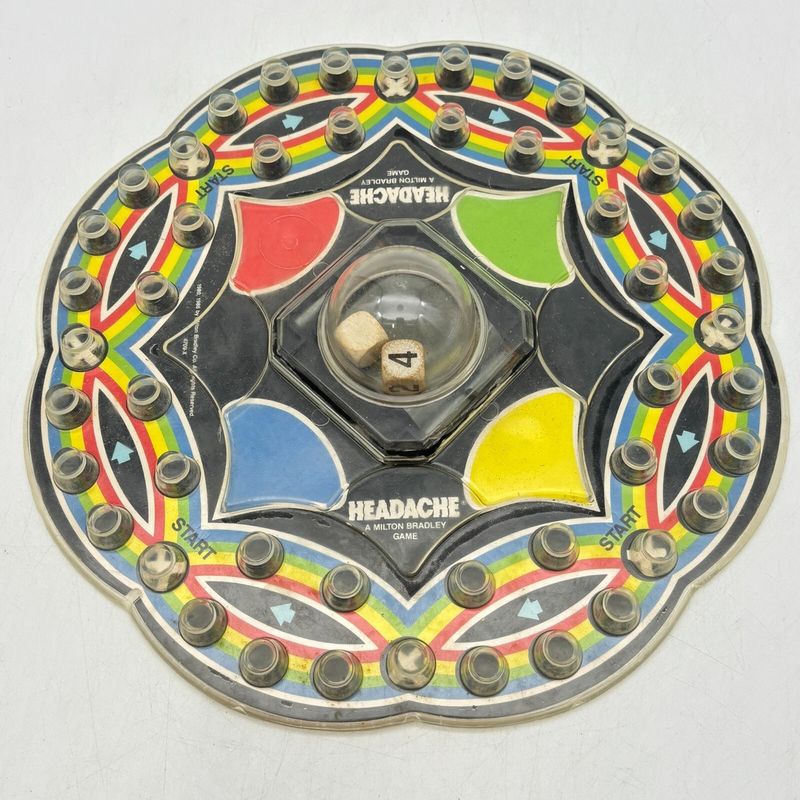
A plastic bubble in the center pops your dice in Headache, so nobody chases runaway dice under the table. Kohner Brothers introduced the game in 1968, and Milton Bradley later published its own version.
Players race cone-shaped pieces around the board toward home. Land on an opponent and you can stack on top, capturing them and sending them back.
Stacked pieces travel together, which can lead to big swings in a single turn. That keeps the game from feeling decided too early.
If the bubble looks familiar, Trouble uses the same Pop-O-Matic idea, though Headache adds its own twists with capturing.
19. Ploy
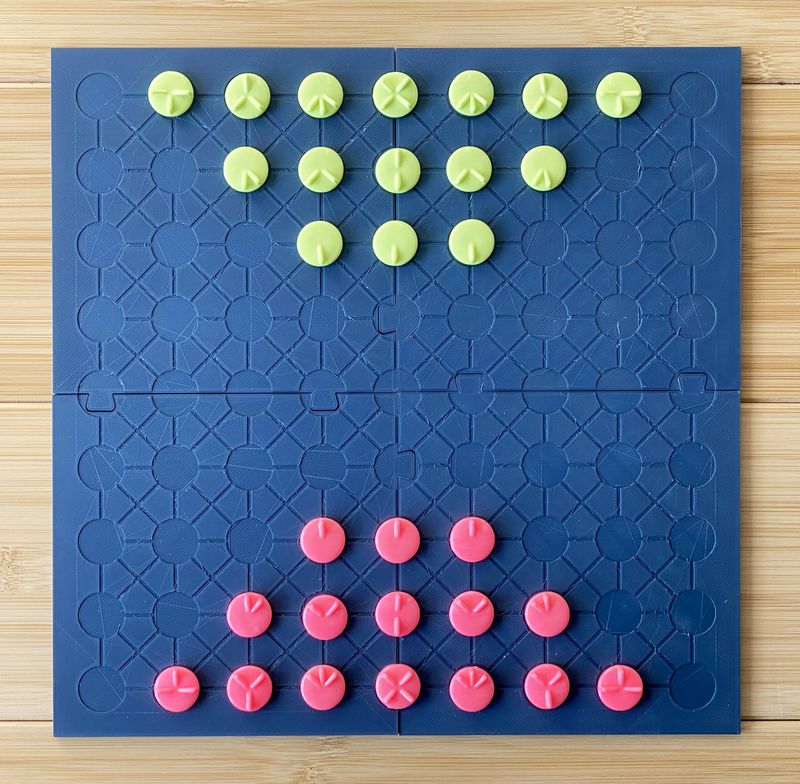
Space-age pieces and chess-like strategy met in Ploy, part of the well-known 3M bookshelf game series. Designed by Frank Thibault, it arrived in 1970.
Each piece has small markings showing which directions it can move. Instead of moving, you can spend a turn rotating a piece, changing where it’s allowed to go.
That rotation trick adds a layer most abstract games lack. You can set up surprise attacks or defend a weak spot without moving at all.
You win by capturing the opponent’s Commander or most of their pieces. It plays with two or four players, which makes it easy to share at a crowded table.
20. Air Charter
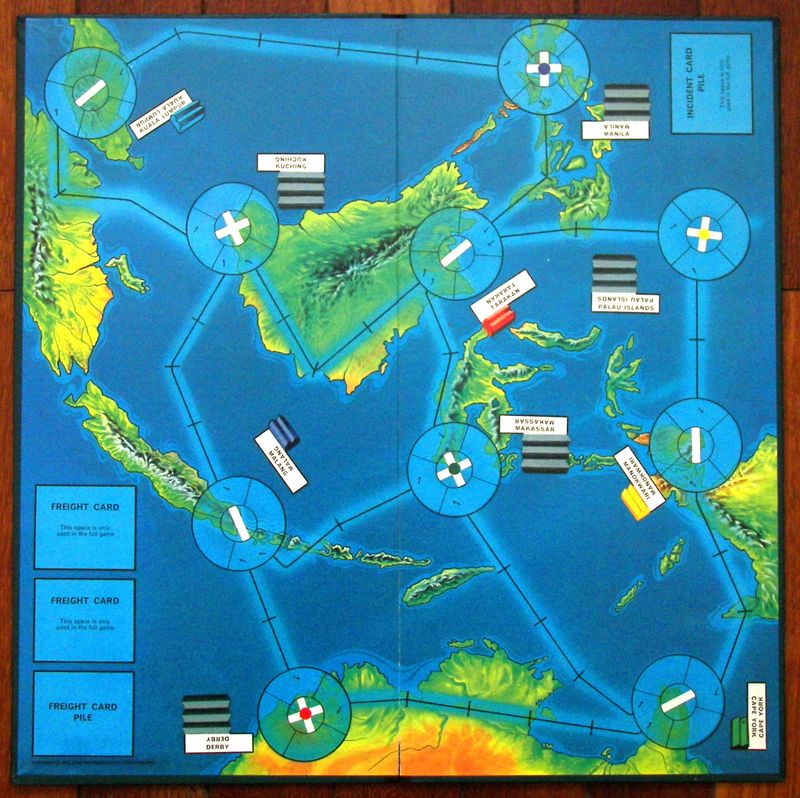
Running an air freight company might not sound like playtime, but Air Charter makes it surprisingly exciting. Waddingtons released the game in 1970.
Players fly small plastic planes between airfields, carrying cargo for profit. The map covers Australasia and Southeast Asia, an unusual setting for a family board game.
You manage routes and deliveries while trying to outpace rivals for the best jobs. The rules include a simpler version and a fuller game, so new players can ease in.
It’s a neat example of how 1970s publishers made business simulations feel like adventures, long before economic games became a modern hobby trend.
21. The Inventors
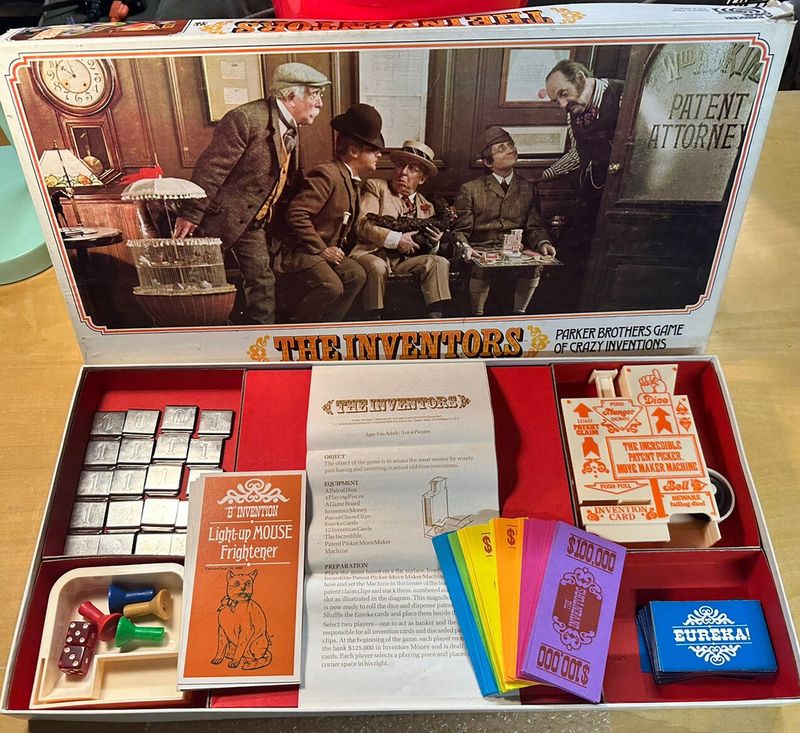
Silly gadgets become a path to fortune in The Inventors, a Parker Brothers game from 1974. Its invention cards feature goofy contraptions that fit the playful spirit of the decade.
Players develop and patent inventions, then try to earn royalties from them. You can also team up as a partner in someone else’s idea, which adds some sly bargaining.
The goal is to end with the most money, but the path is twisty. Sharing profits with rivals can help you or come back to haunt you.
It’s a fun peek at how ideas turn into income, wrapped in a light, cartoony package that rarely shows up on store shelves now.
22. Rummikub
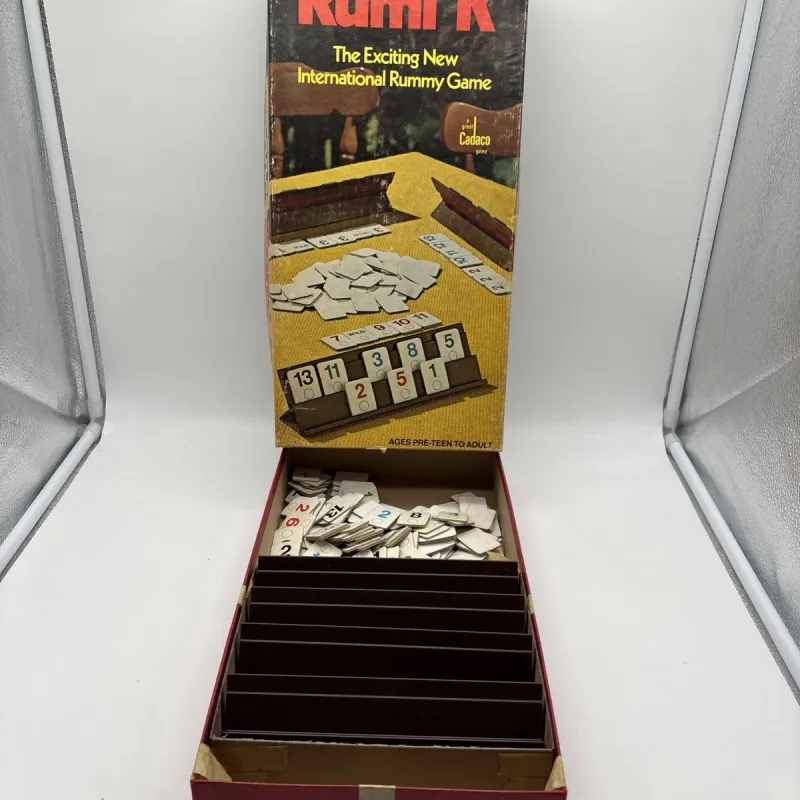
Playing cards were restricted in communist Romania, so Ephraim Hertzano made tiles instead. He created Rummikub in the 1940s, and it later became an American bestseller in 1977.
The game uses 106 tiles in four colors plus jokers. Players build runs of numbers in one color or groups of the same number in different colors.
The twist is that you can rearrange tiles already on the table. That means a clever move might rebuild several sets to fit one tile from your rack.
Hertzano’s family first sold copies by hand, and the game eventually won Germany’s Spiel des Jahres in 1980.


Leave a comment