
An Illinois-born woman named Lizzie Magie patented a board game to warn people about greedy landlords. Her goal was a lesson in economics, not a friendly afternoon of bankrupting your cousins.
I love that detail, because the game it inspired turned her message completely upside down.
American game history is packed with twists like that. A teacher recovering from polio sketched a racing game for kids in her hospital ward.
Hi! This post may contain affiliate links to online stores. If you use a link and buy something, I may get a commission at no extra cost to you. See my affiliate disclosure.
An out-of-work architect counted letters on newspaper pages to balance a word game. An Ohio barber sold his first card decks right from his shop.
I had no idea how many tabletop staples started with ordinary people and odd little problems. Some began as class projects.
Others started as shoe polish promotions or arguments over house rules.
So which game on your shelf has the strangest backstory? The answers below might change how you look at your next roll of the dice.
1. Monopoly
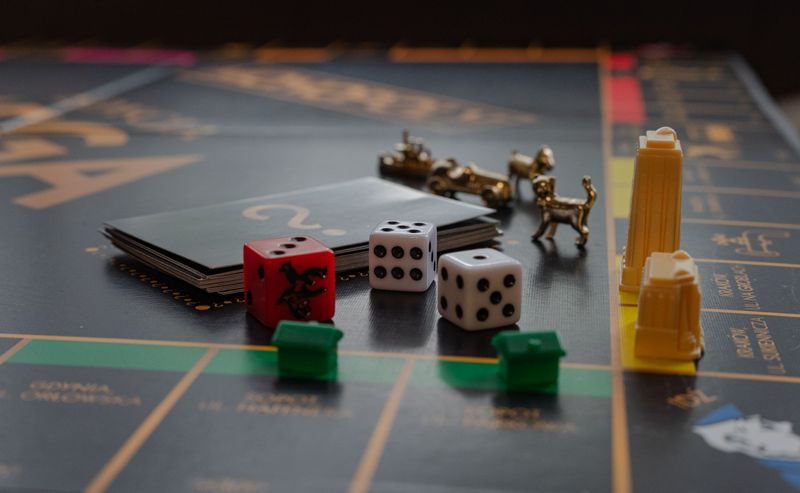
Blame a lesson in economics for those tense rounds of rent collecting. Lizzie Magie patented The Landlord’s Game in 1904 to show how land monopolies could squeeze tenants.
Charles Darrow later sold a version built around Atlantic City street names, and Parker Brothers began marketing it in 1935. For decades, Darrow got the credit while Magie’s role faded into the background.
You buy properties, build houses and hotels, and charge rent until rivals run out of cash. Ironically, the winner basically becomes the villain of Magie’s original warning.
Next time you land on Boardwalk with a hotel waiting, you can thank a reform-minded inventor who would probably be horrified by your grin.
2. Scrabble
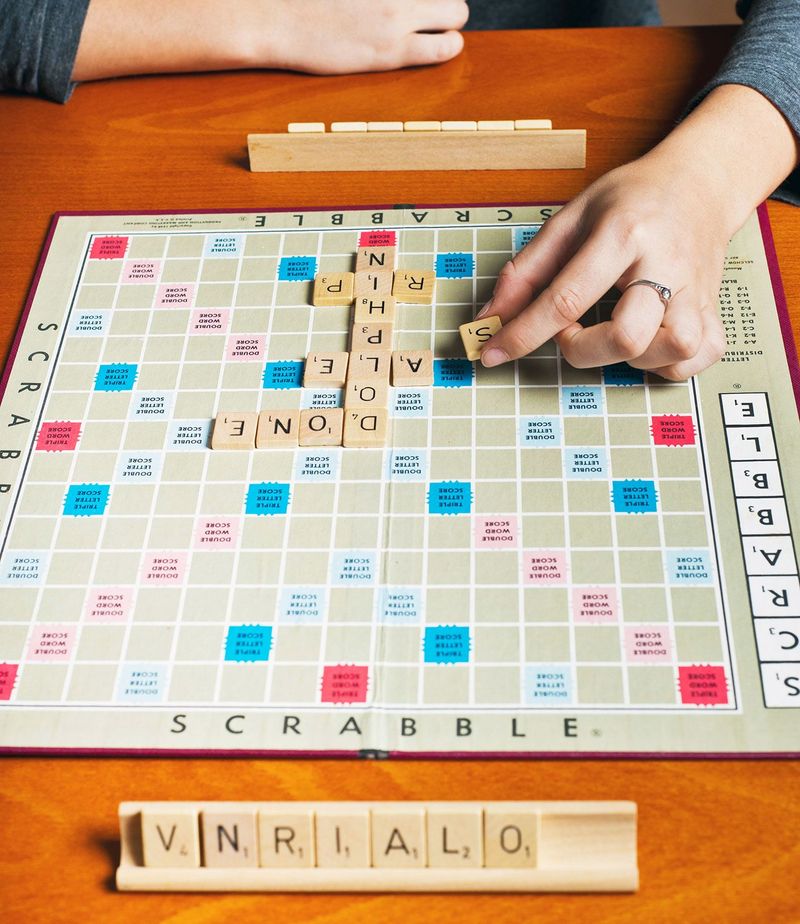
Math and newspapers built this word game long before anyone argued over the dictionary. Alfred Mosher Butts, an architect out of work during the Great Depression, studied letter frequencies from newspaper pages to decide how many of each tile to include.
His early versions went by names like Lexiko and Criss-Crosswords. James Brunot later acquired the rights, polished the rules, and renamed the game Scrabble in 1948.
Players build crossword-style words on a 15 by 15 grid, chasing premium squares that double or triple scores. Rare letters like Q and Z carry the biggest point values.
Those numbers trace straight back to Butts and his careful letter counting, which makes it a fun peek into Depression-era problem solving.
3. The Game of Life by Milton Bradley
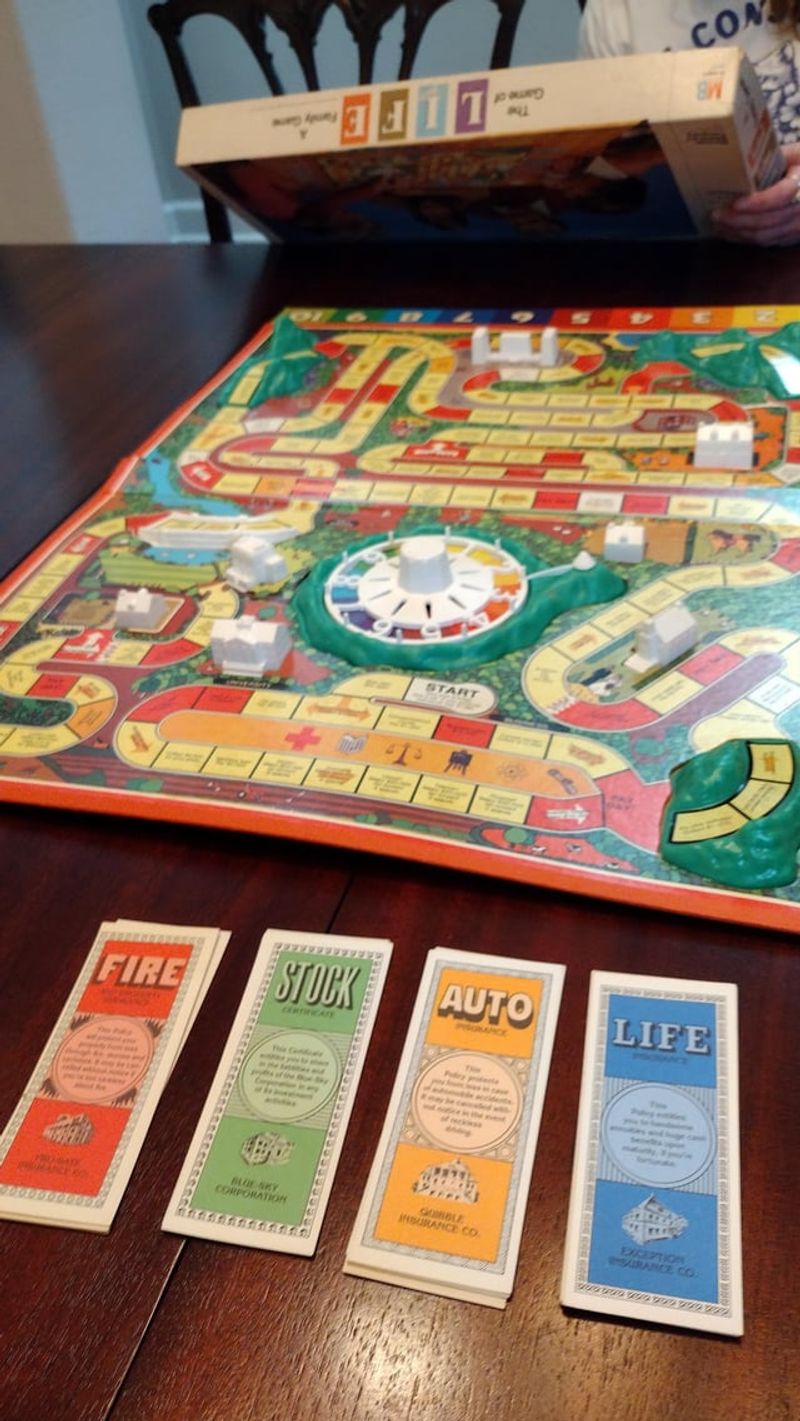
Milton Bradley’s very first game, The Checkered Game of Life, appeared in 1860 and steered players toward good habits. A century later, the company wanted something fresh for its 100th anniversary.
Inventor Reuben Klamer developed the modern version, released in 1960, with a spinning wheel and little plastic cars. Each car holds peg people, so your family literally rides along with you.
You make choices about college, careers, and money while winding toward retirement. It turns big life milestones into quick spins and payday squares.
The original 1960 board even featured three-dimensional hills and buildings, giving the path a pop-up look. That’s a fun upgrade from a moral lesson printed on a checkerboard.
4. Candy Land
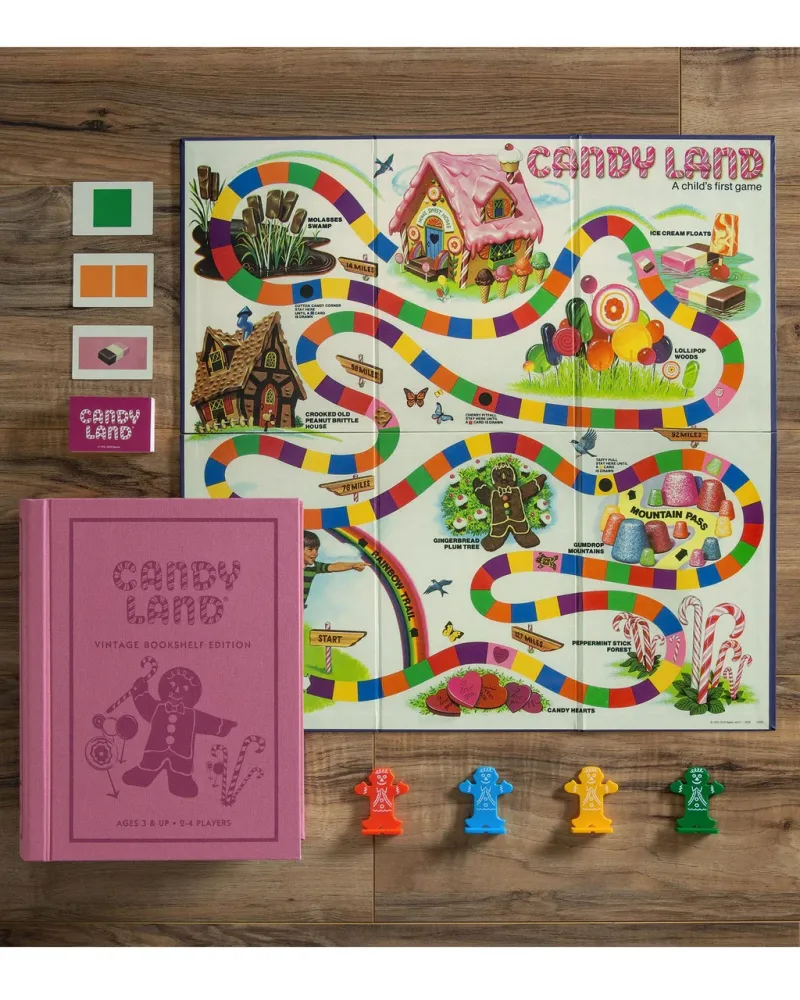
A hospital ward in San Diego gave preschoolers their first board game adventure. Eleanor Abbott, a schoolteacher, designed Candy Land while recovering from polio and wanted to entertain the children around her.
Milton Bradley published it in 1949, and its simple design quickly found a huge audience. Kids don’t need to read or count well, which made it ideal for very young players.
You draw a card, spot the color, and move your pawn to the matching space. Picture cards can zip you forward or send you sliding back toward the start.
It’s pure luck, so a four-year-old can beat a grown-up fair and square. Abbott probably couldn’t have imagined how far her sugary path would travel.
5. Operation by Milton Bradley
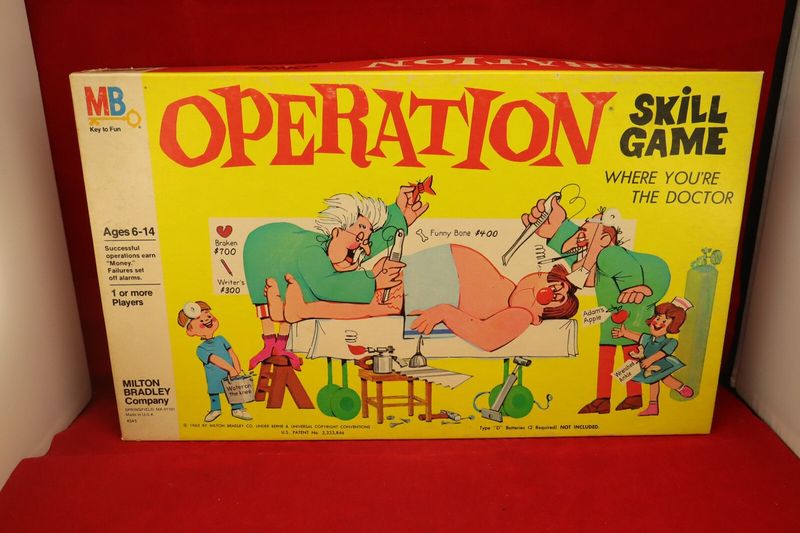
A college homework assignment launched the jumpiest buzzer in toy history. John Spinello created the prototype as an industrial design student at the University of Illinois in the early 1960s.
He sold his rights for about $500, and the design team at Marvin Glass and Associates reworked it. Milton Bradley released Operation in 1965, starring a patient now known as Cavity Sam.
You use metal tweezers to lift tiny ailments out of openings in Sam’s body. Touch the metal edge, and his red nose lights up while a buzzer blares.
Steady hands win, but nerves usually lose. Funny parts like the Wrenched Ankle and Water on the Knee add some groan-worthy puns to the stress.
6. Twister

Shoe polish had a strange role in this game’s birth. Reyn Guyer’s design firm was brainstorming a promotion for a shoe polish company when the idea of people as game pieces popped up.
Charles Foley and Neil Rabens helped develop the concept, first called Pretzel. Milton Bradley released it as Twister in 1966, and sales jumped after Johnny Carson and Eva Gabor played it on The Tonight Show.
A spinner tells you which hand or foot goes on which color. The mat holds 24 circles in four colors, so things get crowded fast.
Fall over or touch the mat with an elbow or knee, and you’re out. Flexibility helps, but balance matters even more.
7. Uno
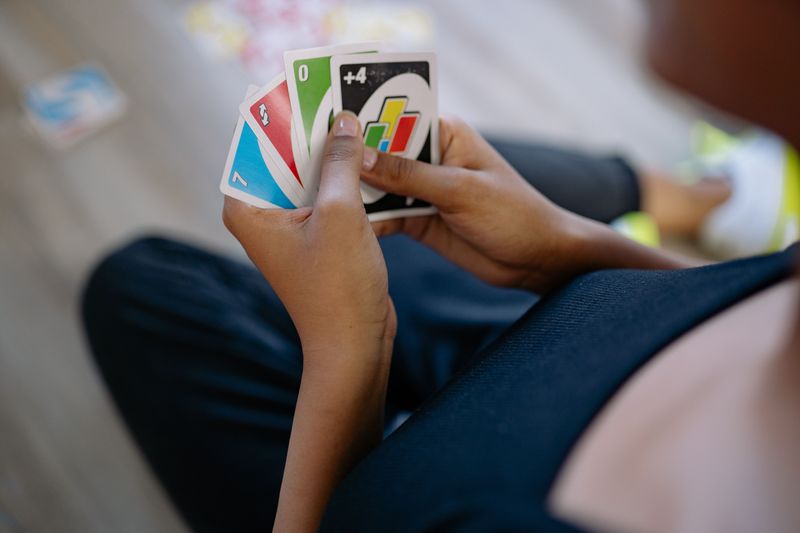
A barbershop in Reading, Ohio, became the launchpad for a card game giant. Merle Robbins created Uno in 1971 and sold early decks from his shop and around town.
He later sold the rights to a group in Joliet, Illinois, that formed International Games. Mattel bought that company in 1992 and still publishes Uno today.
You match the top card by color, number, or symbol, and action cards cause chaos. Skips, reversals, and Draw Fours can wreck a friend’s winning streak in seconds.
Forget to yell Uno when you’re down to one card, and you could be stuck drawing two more. That tiny rule keeps everybody watching everyone else’s hand.
8. Ouija Talking Board
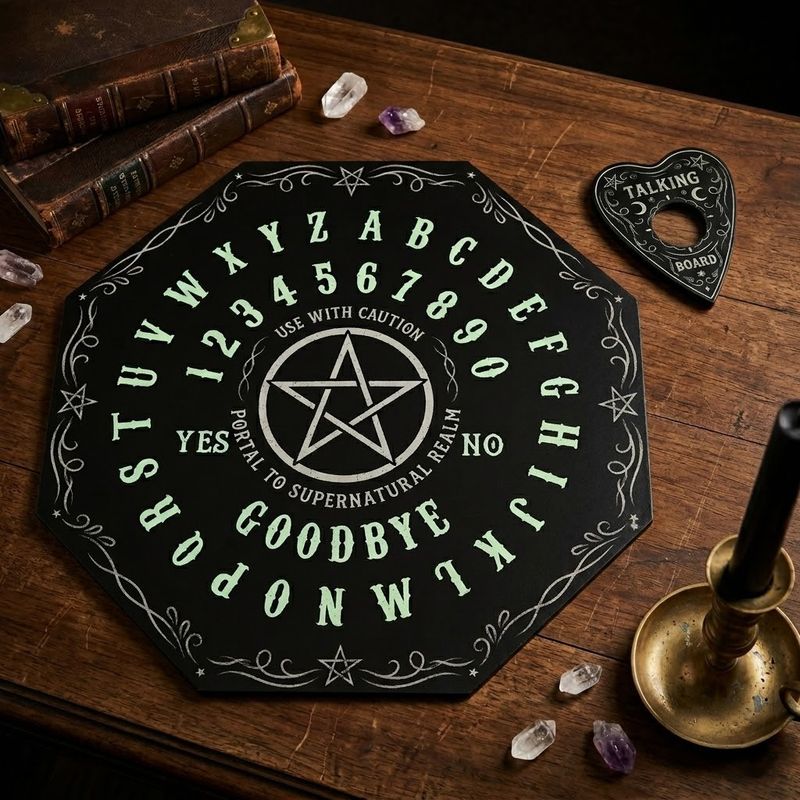
A patent office might seem like an odd place for a spooky reputation to begin. The Kennard Novelty Company of Baltimore started selling Ouija boards in 1890, and Elijah Bond’s patent was granted in February 1891.
Early ads presented it as a parlor amusement for curious families. William Fuld later ran production for decades, and Parker Brothers bought the rights in 1966.
Players rest their fingertips on a planchette that glides across letters, numbers, and the words Yes and No. Science points to tiny unconscious muscle movements, called the ideomotor effect, to explain the motion. Whatever you believe, it’s a fascinating slice of Victorian-era fads that still sits on toy shelves today.
9. Pictionary
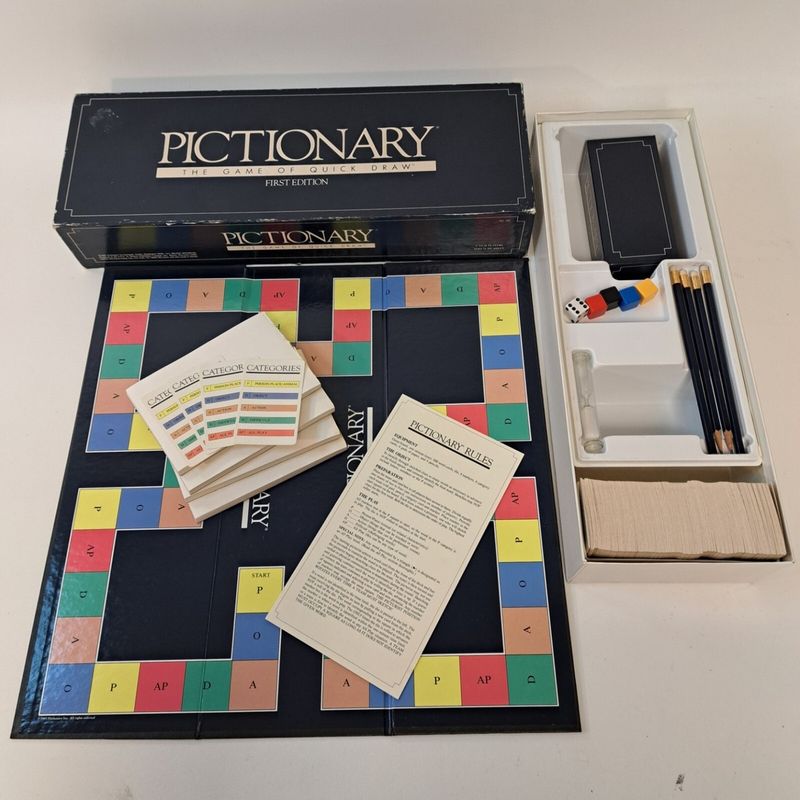
Stick figures never got so competitive until a Seattle waiter had an idea. Robert Angel developed Pictionary with friends and launched it in 1985 through his own company.
Graphic designer Gary Everson helped shape the look and early production. The game grew from a small run into a national hit, and Mattel now owns it.
Teams take turns sketching clues while partners shout guesses before the sand timer runs out. No letters or numbers are allowed in drawings, so you can’t cheat by spelling.
That rule forces wildly creative doodles, from tiny arrows to giant circles. Artistic skill helps a little, but quick thinking helps more.
Great guessers can read even the shakiest scribbles.
10. Apples to Apples
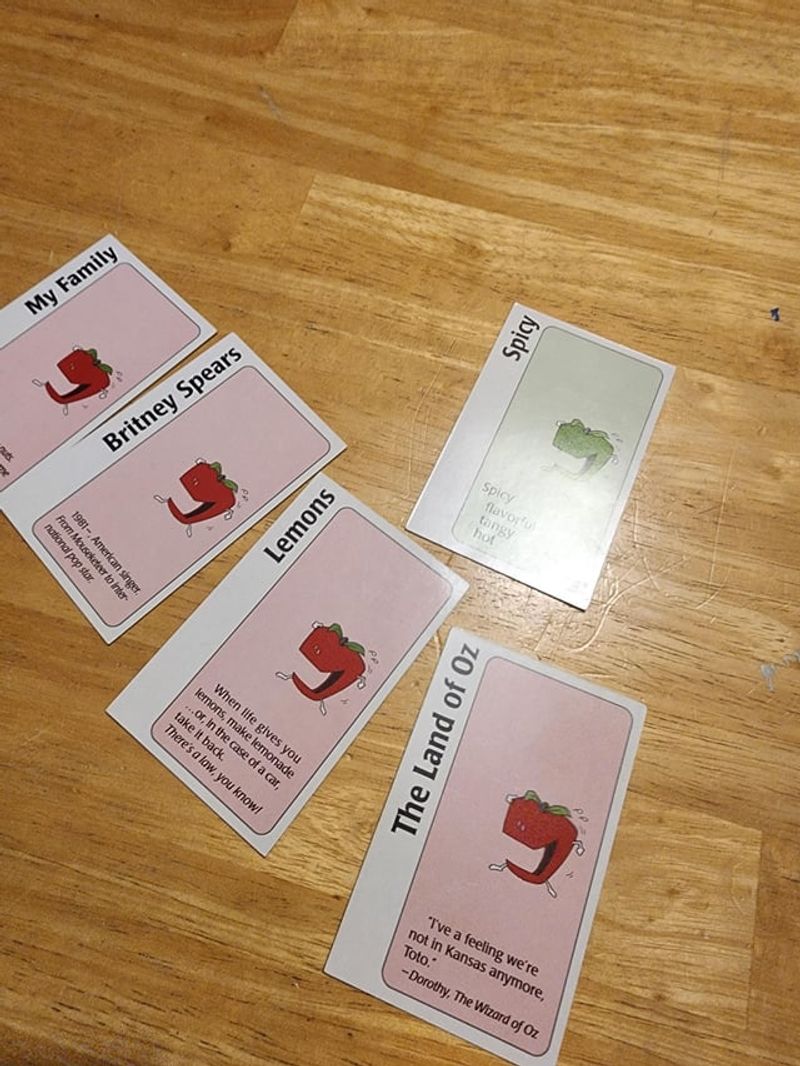
Comparing apples to oranges is supposed to be silly, yet that’s exactly the fun here. Matthew Kirby designed Apples to Apples, and Out of the Box Publishing released it in 1999.
It earned a Mensa Select award that same year. Mattel acquired the game in 2007, keeping its easygoing format on store shelves.
A rotating judge plays a green card with an adjective, like Scary or Fuzzy. Other players secretly toss in red noun cards they think match best.
The judge picks a winner for any reason at all. That means knowing your judge’s sense of humor can beat logic every single time.
Reading the room becomes the real skill.
11. Cranium Board Game
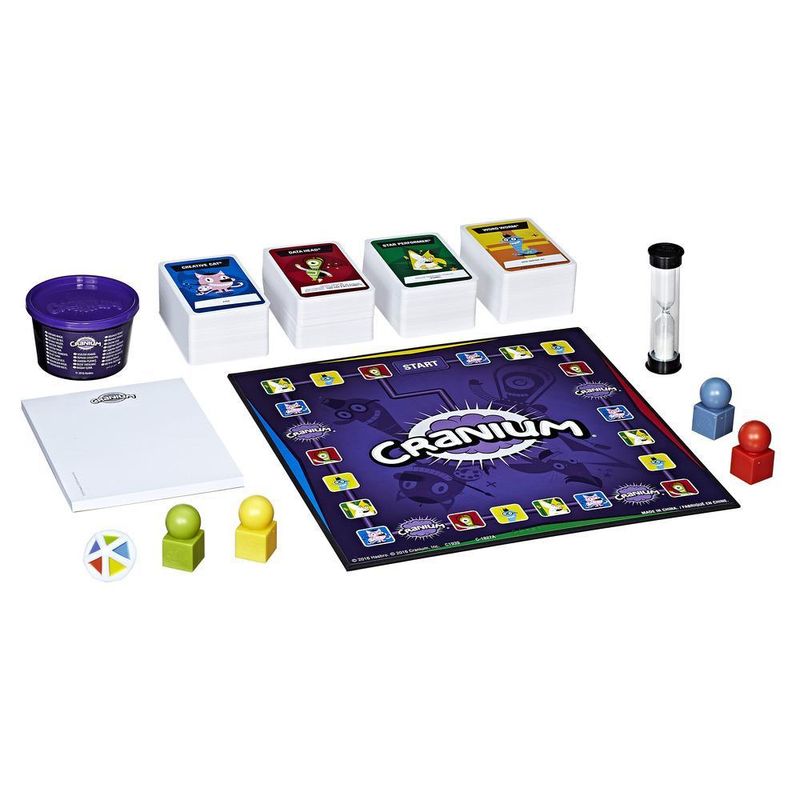
Two former Microsoft employees decided a game should let different kinds of smarts shine. Richard Tait and Whit Alexander founded Cranium, Inc. and released their game in 1998.
Instead of only toy stores, early copies showed up at places like Starbucks and Barnes and Noble. Hasbro acquired the company in 2008 for approximately $67.9 million.
Teams move around the board by tackling four kinds of challenges. You might answer trivia, unscramble words, sculpt with clay, or hum a tune for teammates.
The mix means the quiet artist and the trivia buff both get chances to carry the team. Clay sculpting in particular leads to some memorably lumpy creations.
12. Taboo Party Game
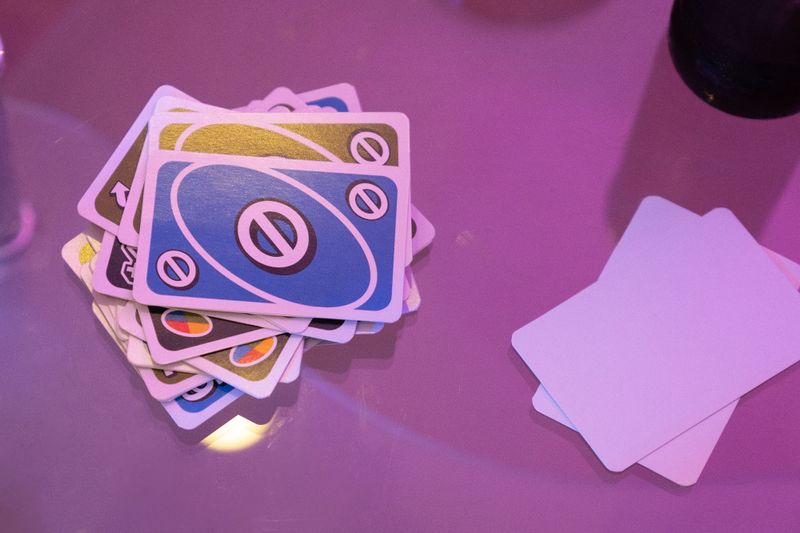
Saying the obvious word is exactly how you lose this one. Brian Hersch designed Taboo, and it was released in 1989.
Each card shows a target word plus five forbidden words that would make the clue easy. Try describing a beach without saying sand, water, or ocean, and your brain starts sweating.
Your team guesses as many cards as possible before the timer ends. Meanwhile, an opponent watches your card and hits a buzzer if you slip.
That squeaky sound is part of the drama, and it rarely goes off quietly. Creative synonyms and clever detours become your best tools.
Hasbro still publishes the game, which keeps its sneaky tension alive today.
13. Scattergories
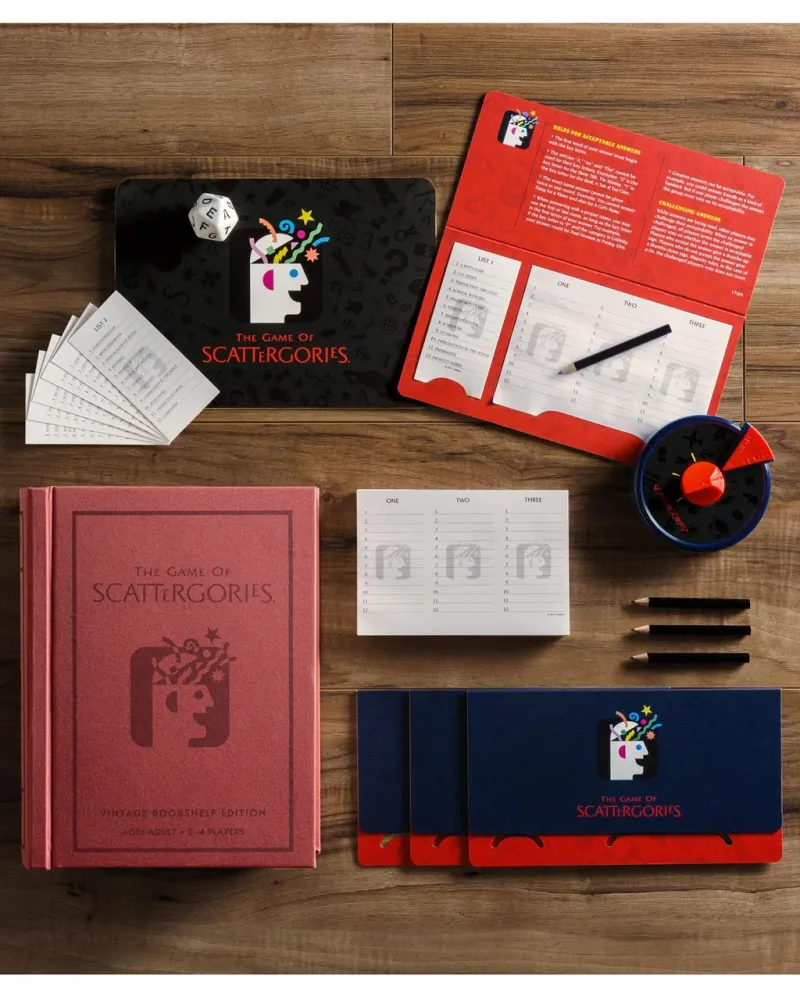
A single roll of a 20-sided letter die decides your fate in this brain teaser. Milton Bradley released Scattergories in 1988, building on the old pencil-and-paper idea of naming things by category.
Each round uses a list of categories, like vegetables or famous athletes. You race a timer to write one answer per category, all starting with the rolled letter.
Here’s the twist that keeps it lively. If another player writes the same answer, neither of you scores.
So you want answers that are correct but unusual, which gets tricky fast. Some house rules even reward alliteration, like Purple Pickled Peppers for a P round.
Debates over borderline answers are basically part of the package.
14. Connect Four
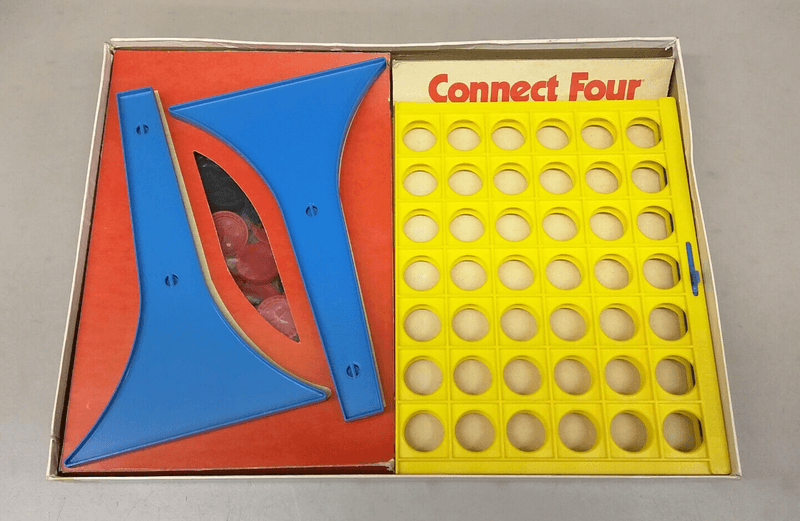
Mathematicians actually cracked this game wide open. In 1988, researchers James Dow Allen and Victor Allis separately proved the first player can always win with perfect play.
Don’t worry, most of us are far from perfect. Howard Wexler and Ned Strongin created the game, and Milton Bradley released it in 1974.
The upright grid has seven columns and six rows. You drop checkers from the top, trying to line up four in a row horizontally, vertically, or diagonally.
Gravity makes it different from tic-tac-toe, because every piece falls to the lowest open spot. Watching for sneaky diagonals is often the difference between a win and a groan.
Pulling the release bar afterward is oddly satisfying.
15. Boggle
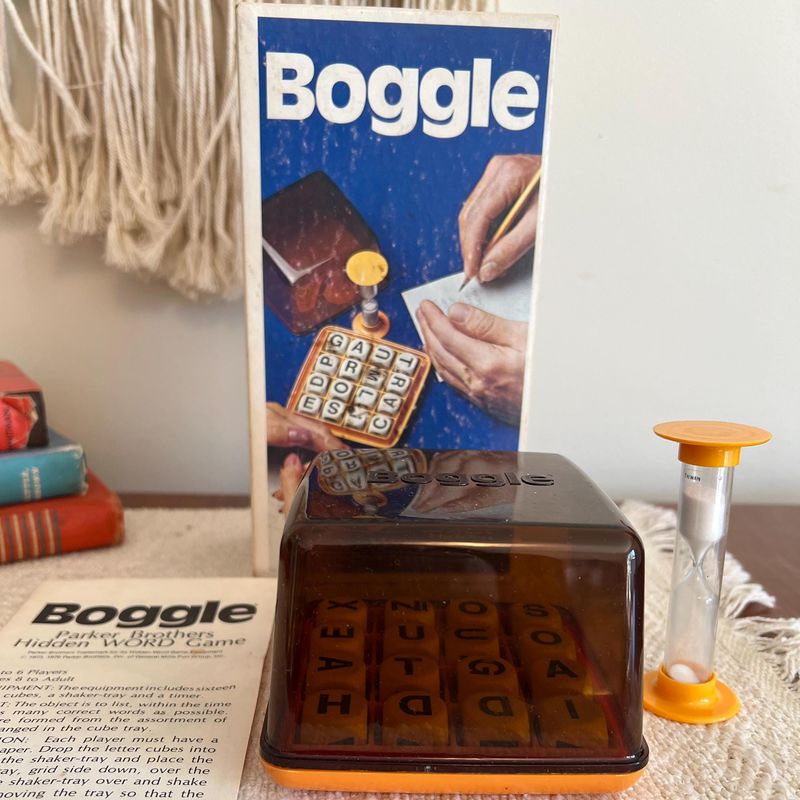
Shaking dice usually means numbers, but these cubes are covered in letters. Allan Turoff invented Boggle, and Parker Brothers introduced it in the early 1970s.
The classic version uses 16 letter cubes inside a covered tray. You shake it, let the cubes settle into a four by four grid, and flip the timer.
Players scribble words made from letters that touch side to side or diagonally. Words must be at least three letters, and longer finds earn more points.
Any word that another player also found gets crossed off. A sharp eye for short, odd words can quietly win the round.
Fans who want a bigger challenge can try Big Boggle with a five by five grid.
16. Simon Electronic Game
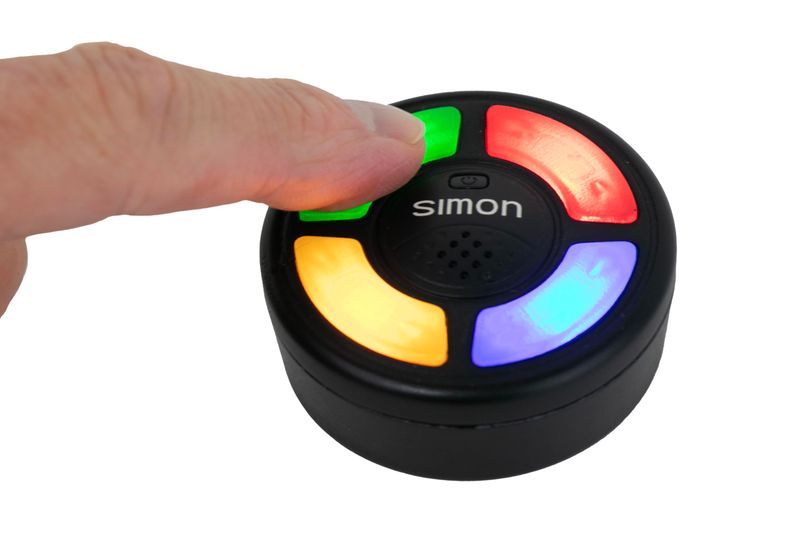
A famous New York nightclub hosted the launch party for this beeping memory test. Milton Bradley introduced Simon in 1978, and the company celebrated at Studio 54.
Ralph Baer and Howard Morrison invented it, drawing on an Atari arcade game called Touch Me. Baer was already known for his early work on home video game systems.
Simon lights up its four colored buttons in a pattern, each with its own tone. You repeat the sequence, and it adds one more step every round.
Miss a beat, and the game lets you know with a buzz. It’s a simple setup that turns your memory into a high-pressure performance.
Try it once and see how far you get.
17. Pit Card Game
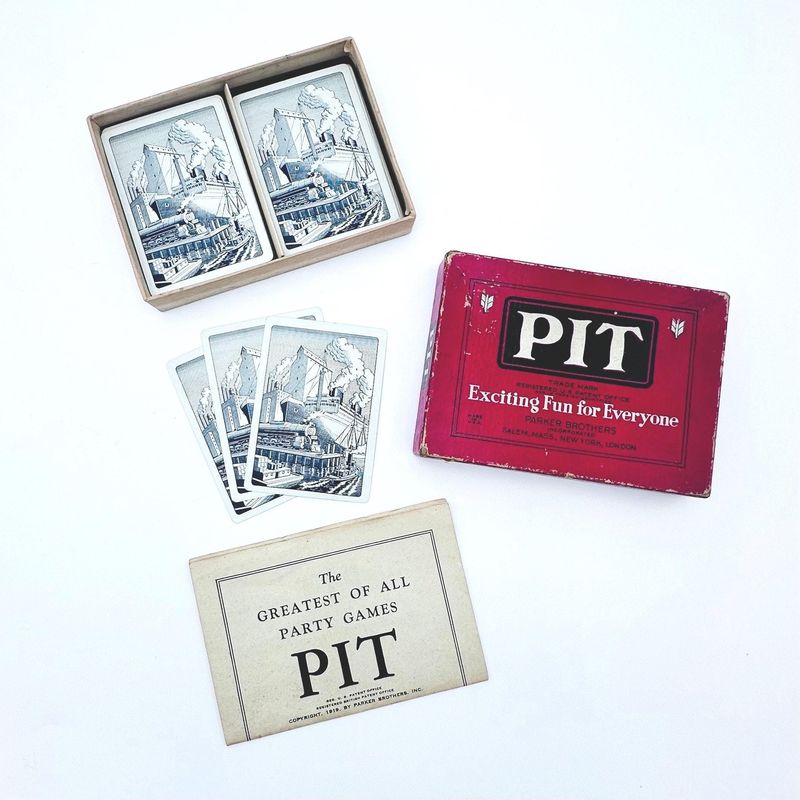
Quiet card games are nice, but this one practically demands shouting. Parker Brothers published Pit in 1904, taking inspiration from the noisy commodity trading floors in Chicago.
Cards show goods like wheat, corn, and oats. Your mission is to collect a full set of one commodity before anyone else.
There are no turns, so everybody trades at once by calling out how many cards they want to swap. You never say which commodity you’re offering, which keeps everyone guessing.
When you complete a set, you ring the bell and announce you’ve cornered the market. It’s loud, fast, and surprisingly close to the frenzy it imitates.
Covering your ears is allowed.
18. Rook Card Game
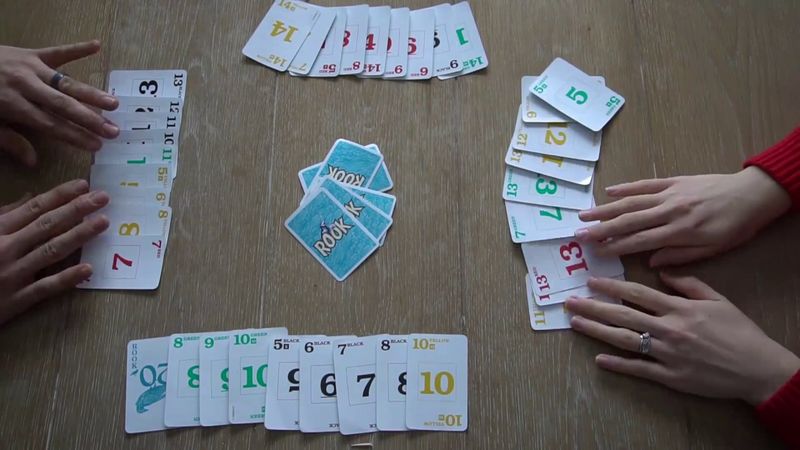
A bird is the boss of this deck, and it’s not a joke. Parker Brothers introduced Rook in 1906 with its own special set of cards.
Many people at the time frowned on standard playing cards because of their link to gambling. Rook offered a trick-taking game without kings, queens, or jacks, which helped it find fans in many communities.
The deck has numbered cards in four colors plus the Rook card, a picture of a black bird. Players bid on how many points they can capture, then fight for tricks.
The Rook usually acts as the strongest trump. Some folks even nicknamed it missionary poker, a playful nod to its wholesome reputation.
19. Mouse Trap (1963 Ideal Game)
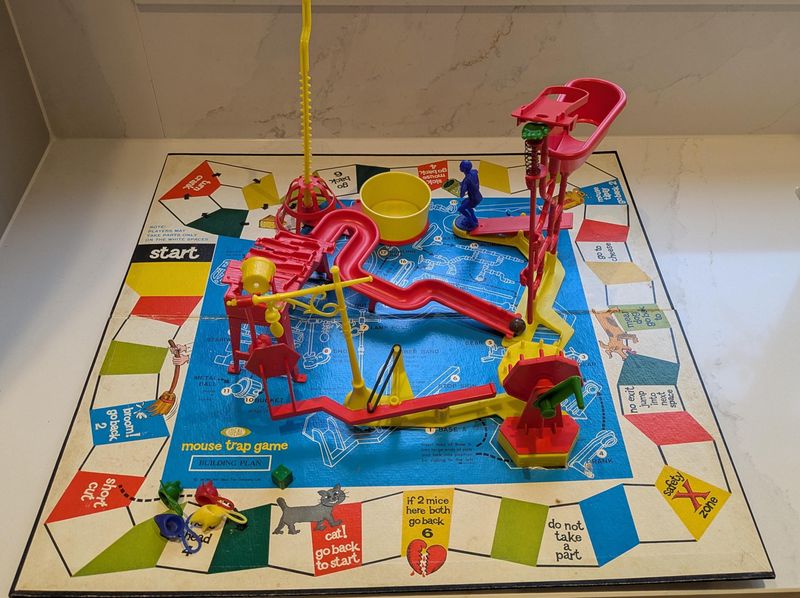
Building a ridiculous machine is half the fun before anyone catches a single mouse. Ideal released Mouse Trap in 1963, developed by the toy design firm Marvin Glass and Associates.
Its chain-reaction contraption looks like something from a Rube Goldberg cartoon. Players add pieces like a crank, a stairway, a bathtub, and a diver as the game moves along.
When a mouse lands on the cheese, you turn the crank and set off the whole wacky chain. A boot kicks a bucket, a ball rolls, and a cage drops down.
If everything works, you trap a mouse. If one piece is crooked, the machine fizzles, which can be its own kind of comedy.
20. Hi Ho! Cherry-O
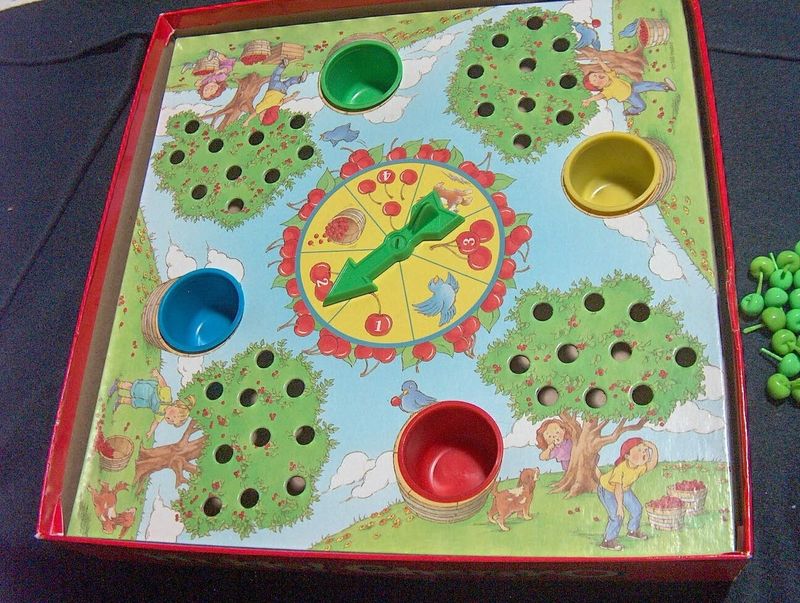
Picking cherries turns into a sneaky little math lesson in this preschool game. Whitman introduced Hi Ho!
Cherry-O in 1960.
Each player gets a tree with ten fruits and an empty bucket. You spin the spinner and pick one, two, three, or four cherries from your tree.
Watch out for the dog, the bird, and the spilled bucket on the spinner. Those spaces force you to put fruit back on your tree.
The first player to fill a bucket and shout the game’s name wins. Kids practice counting without noticing, which is a nice bonus.
Later editions swapped some fruits around, but the spinner drama stayed the same.
21. Hungry Hungry Hippos
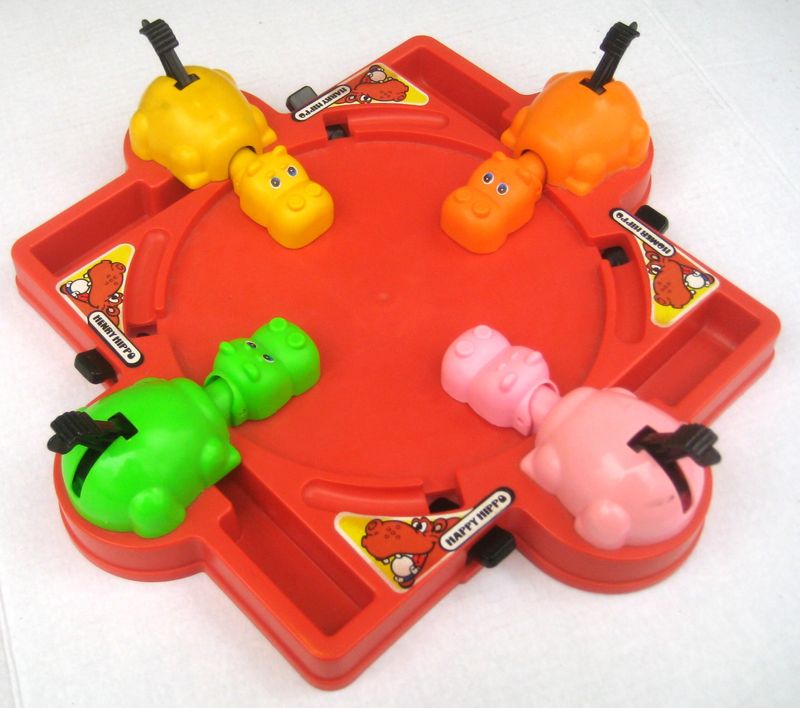
Few sounds rival four plastic hippos chomping at once. Milton Bradley released Hungry Hungry Hippos in 1978, credited to designer Fred Kroll.
Each player controls a hippo by slamming a lever on its back. Press it, and the hippo’s head shoots forward with jaws open to scoop up marbles.
Marbles scatter across the round arena, and everyone mashes at the same time. When the marbles run out, whoever’s hippo swallowed the most wins.
There’s barely any strategy, so speed and timing rule the day. It might be the most energetic game on this list without anyone leaving their seat.
The clatter is basically the soundtrack.
22. Cootie Game by Schaper
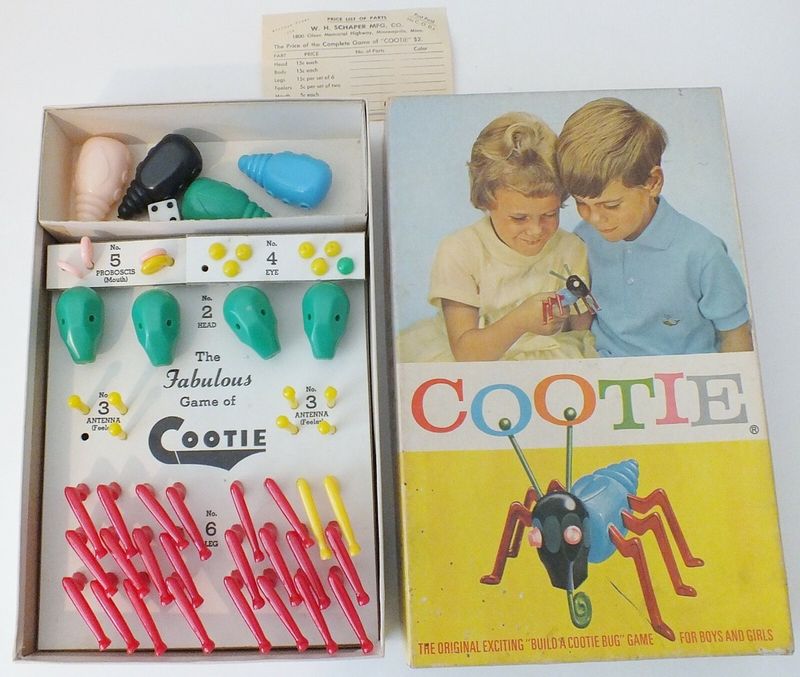
A fishing lure helped inspire one of the goofiest bugs ever sold. Herb Schaper of Minneapolis created Cootie and began selling it in 1949.
His company, Schaper Manufacturing, built a toy business around this little plastic critter. The game asks you to build a bug piece by piece using a die roll.
Each number matches a body part, like a body, head, eyes, antennae, mouth, or legs. You usually need the body first, so early rolls can be painfully slow.
The first player to finish a complete cootie wins. It quietly teaches young kids about matching numbers and following steps.
Plus, those wiggly legs make every finished bug look a little silly.
23. KerPlunk
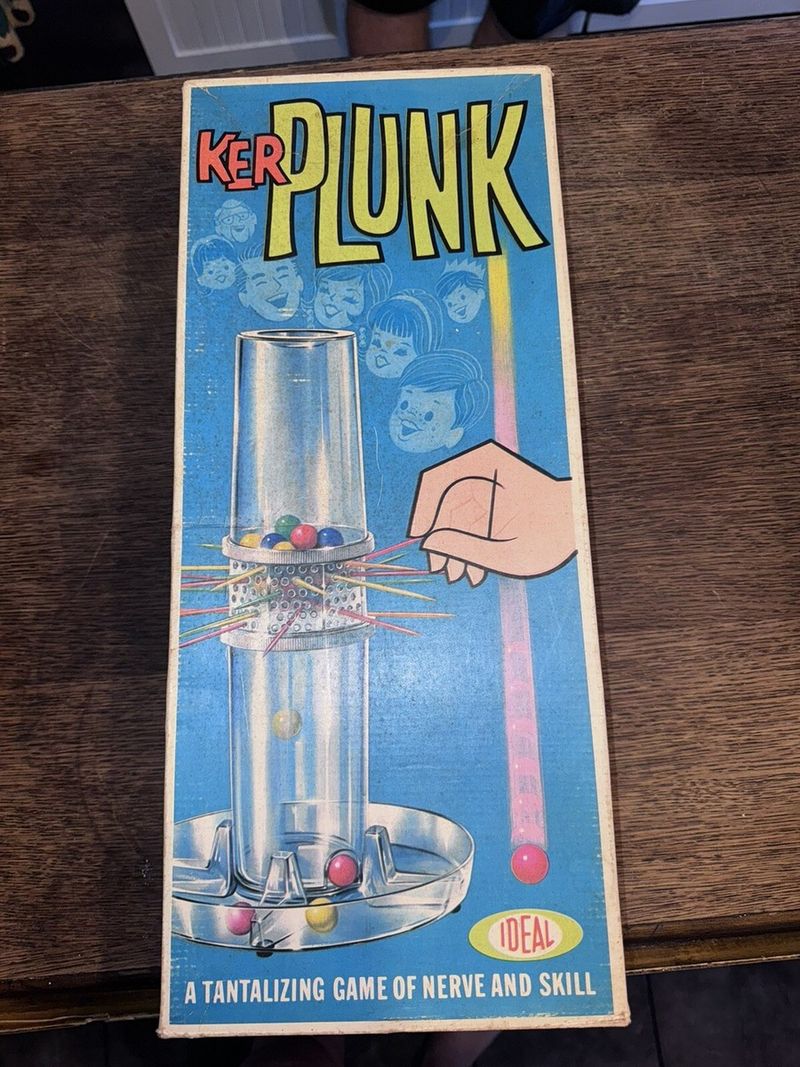
A tower of marbles balanced on sticks sounds like a bad idea, which is exactly the point. Ideal released KerPlunk in 1967, and toy inventor Eddy Goldfarb is credited with the design.
The setup uses a clear tube crisscrossed with plastic sticks. Marbles rest on top, waiting for someone to make the wrong move.
Players take turns pulling out one stick at a time. Any marbles that fall land in your tray, and fewer marbles is better.
Clever players study the tube from every angle before choosing a stick. Somehow, the stick that looks safest often triggers a dramatic rush of marbles.
That clear tube means nobody can claim they didn’t see it coming.
24. Don’t Break the Ice
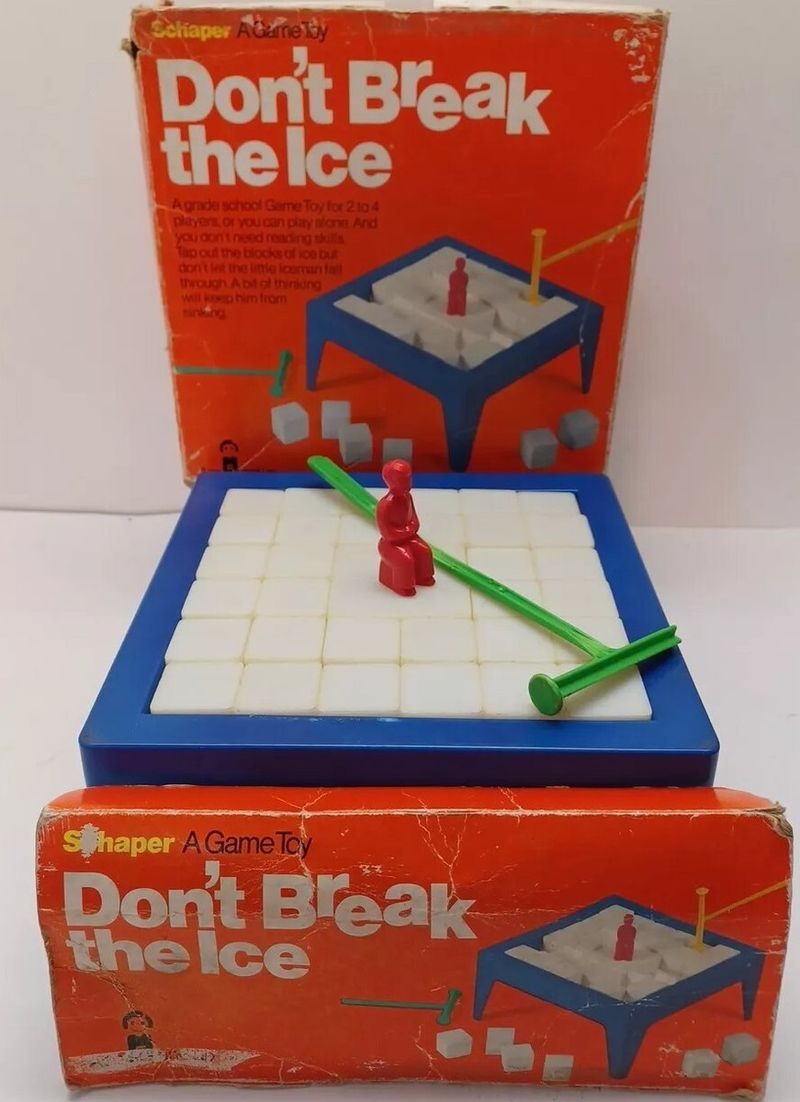
Tapping ice with tiny hammers might be the most satisfying kind of tension. Schaper released Don’t Break the Ice in the 1960s, and Hasbro sells versions today.
Players fill a frame with plastic ice blocks and set a little figure on top. Then everyone grabs a small mallet and starts carefully knocking blocks out.
Each player taps out one block per turn. Whoever makes the ice collapse and drops the figure loses the round.
Early turns feel easy, but holes spread and options shrink quickly. Gentle taps help, though sometimes a single block is all that holds the figure up.
It’s a simple design that rewards patience and a steady hand.
25. Barrel of Monkeys
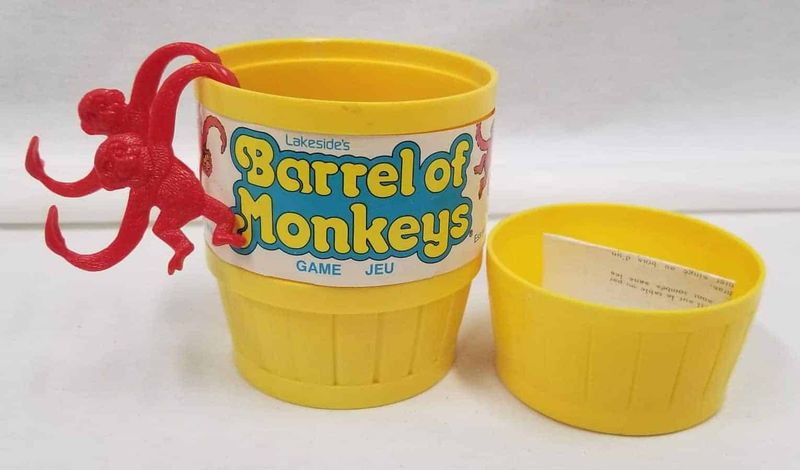
A plastic barrel full of monkeys turned a common saying into a toy. Lakeside Toys released Barrel of Monkeys in 1965, with Milton Dinhofer credited as a co-creator.
Each monkey has curved arms shaped like hooks. You hold one monkey and use it to snag another by the arm, building a dangling chain.
The goal is to link as many monkeys as possible without dropping the chain. Only the top monkey can be touched, so the challenge grows with every addition.
Drop one, and your turn usually ends. It’s small, portable, and easy to understand at any age.
That tiny barrel fits in a pocket, which makes it great for waiting rooms.
26. Trouble with Pop-O-Matic
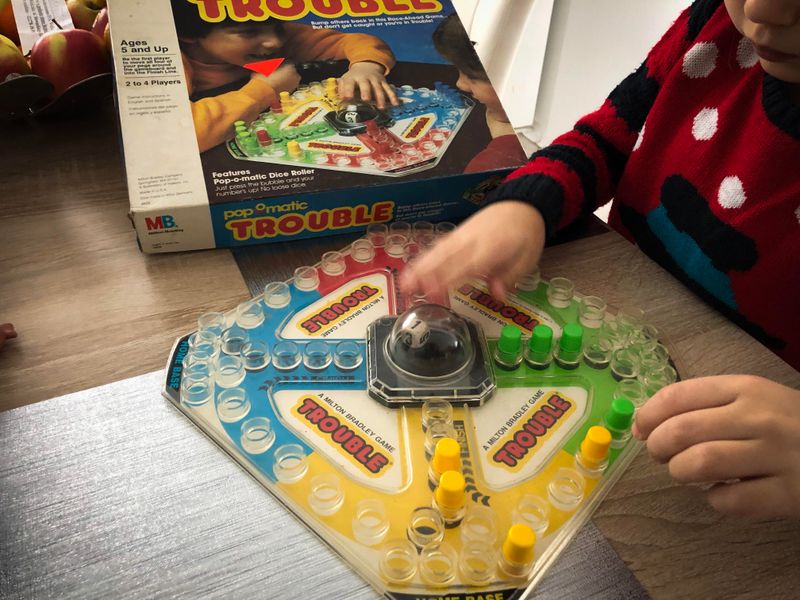
A clear plastic bubble solved the age-old problem of dice rolling off the table. Kohner Brothers released Trouble in 1965, featuring the Pop-O-Matic die roller.
The die sits sealed inside a dome in the center of the board. Press down, and it pops up and lands, with no lost dice under the couch.
Players race four pegs around the board to their home spaces. Landing on an opponent’s peg sends it back to the start, which is where the name comes from.
You need a six to move a new peg out, so early rounds can be frustrating. That signature popping sound became a big part of the game’s identity.
Milton Bradley later took it over.
27. Magic: The Gathering
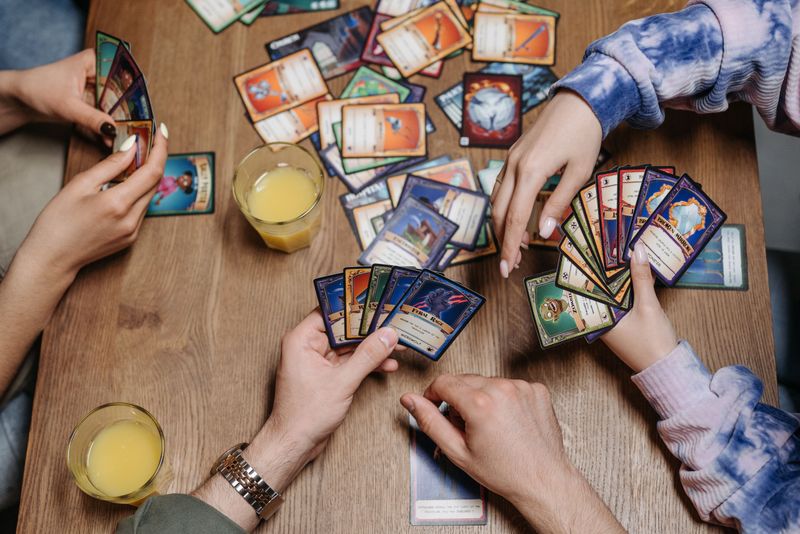
A math professor created a card game that launched a whole new category. Richard Garfield designed Magic: The Gathering, and Wizards of the Coast released it in 1993.
It’s widely credited as the first modern trading card game. Instead of one fixed deck, players build their own decks from a growing collection of cards.
You play as a wizard, casting spells and summoning creatures using lands for mana. Each card’s rules can change the game in surprising ways.
Because new sets keep coming out, strategy shifts over time. Some early cards have become serious collectibles, but most everyday cards are just for play.
Deck building is basically a puzzle you solve before the game even starts.
28. Dungeons & Dragons (1974 TSR)
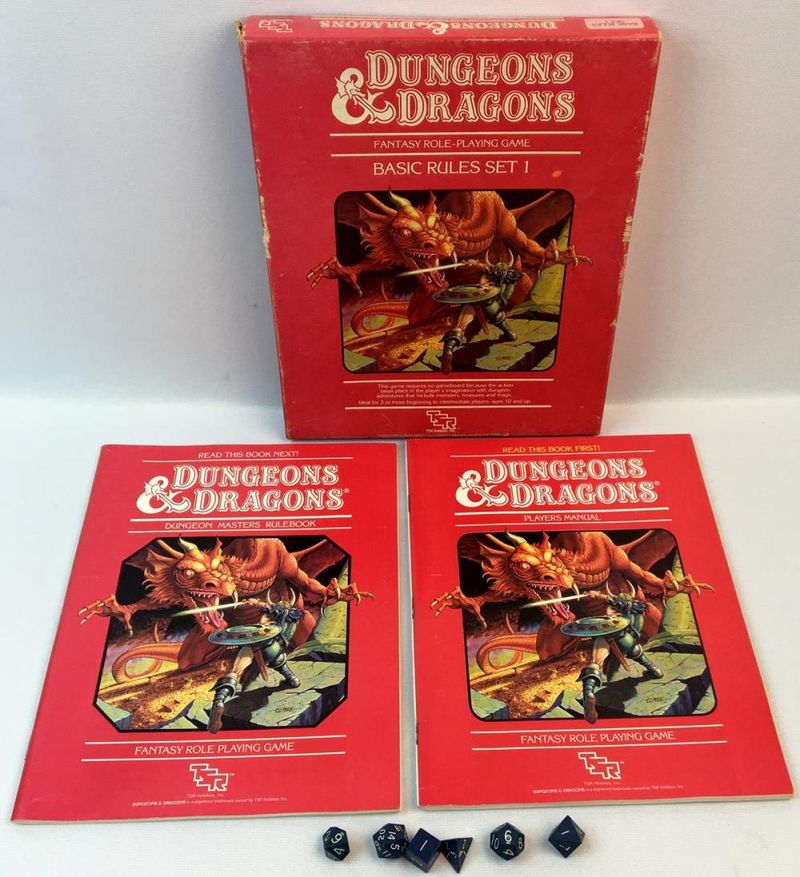
A small Wisconsin town gave birth to the modern role-playing game. Gary Gygax and Dave Arneson created Dungeons and Dragons, and TSR published it in 1974 from Lake Geneva.
The first edition came in a plain boxed set with three small booklets. Its roots trace back to miniature war games, especially a medieval set of rules called Chainmail.
Instead of a board, you use imagination, dice, and a storyteller called the Dungeon Master. Players describe what their characters do, and dice decide how things turn out.
There’s no fixed winner, just a story that grows each session. That open-ended style inspired countless video games, books, and tabletop games that followed.


Leave a comment